
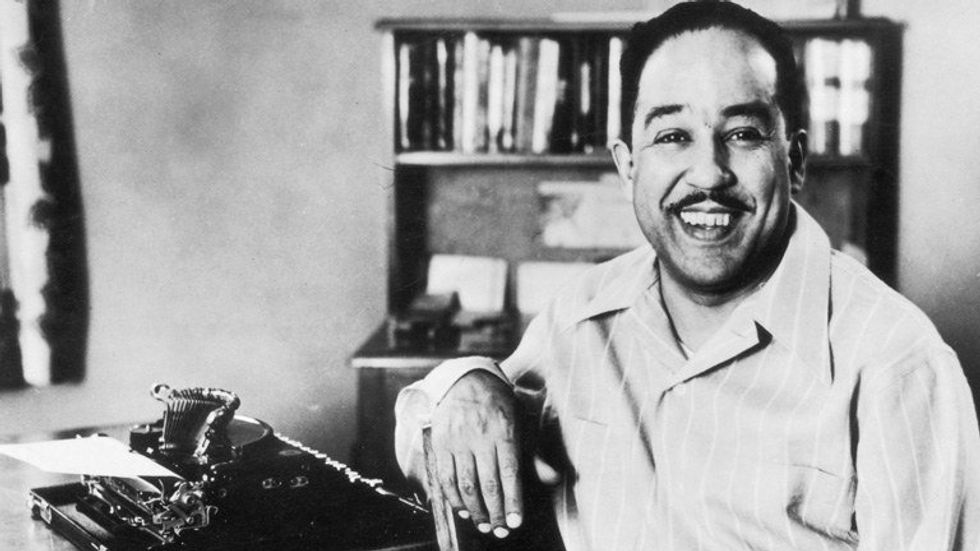
Langston Hughes, born James Mercer Langston Hughes, was an American poet and social activist during the Pre-Civil Rights era. He was born in Joplin, Missouri, and his poetry had a common cultural theme throughout his career. His poetry was meant to make people aware of the struggle the black community was experiencing and many of his poems took a critical look at the divide between the whites and the blacks within American culture. His poetry was recognizable and relatable to all in the black community with a goal of empowering the black community to keep its culture.
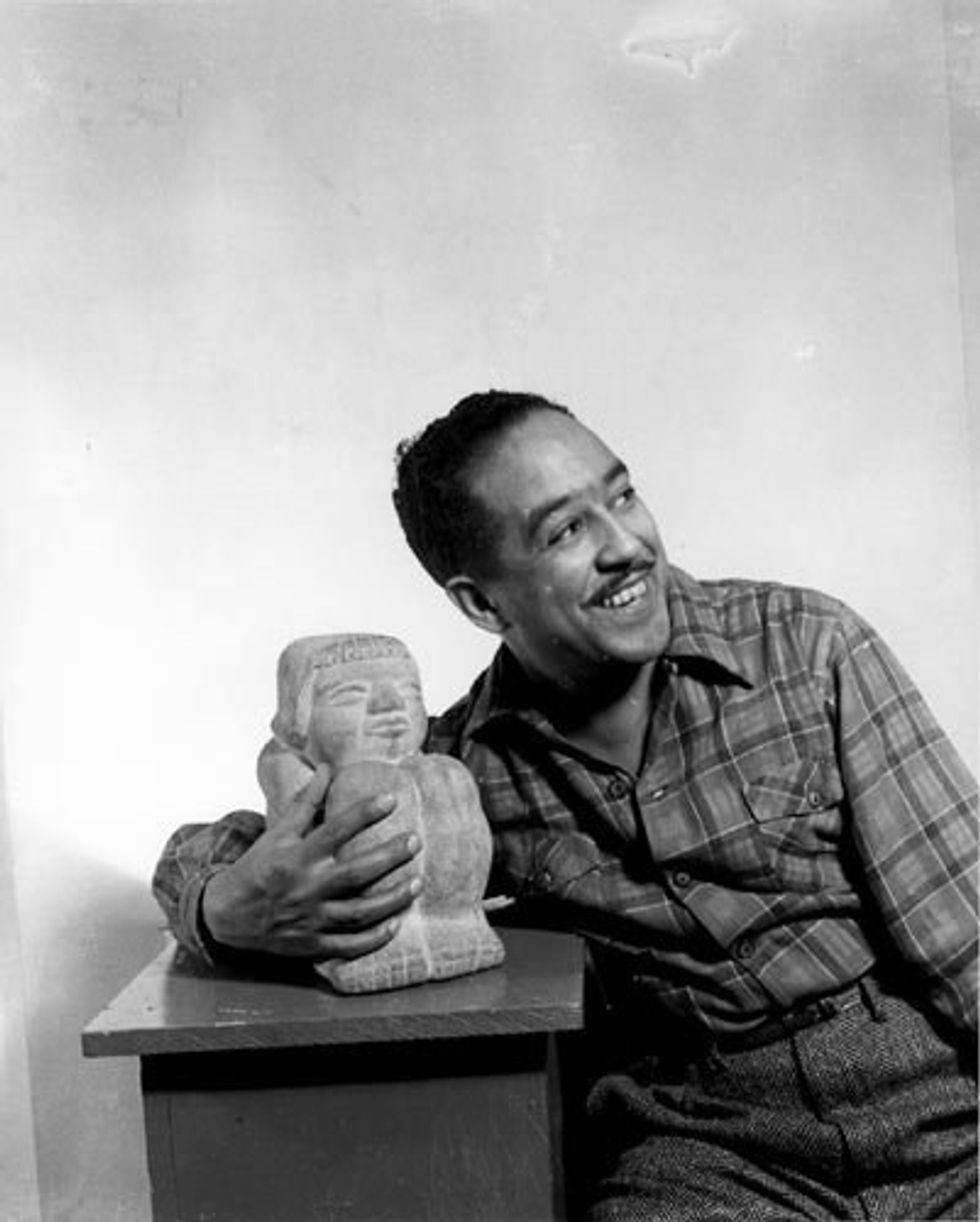
Now, of course, there are hundreds of other instances of cultural appropriation, but one that I specifically wish to talk about are the instances that Langston Hughes exemplifies in his poem “Note on Commercial Theatre.” This poem is extremely powerful with subtle anger, but its power and anger make it an excellent read and help to shout its message from the rooftops. The poem starts with the lines, “You’ve taken my blues and gone — You sing ‘em on Broadway, And you sing ‘em in Hollywood Bowl." The entire poem is insanely powerful, but these opening lines have an immediate punch to the gut.
These lines have a powerful feeling of sorrow and disappointment. Hughes had a huge involvement with the jazz and blues culture during his lifetime. Knowing about his strong love and participation with this community makes those lines ruminate with sorrow and moroseness. Hughes was very critical of the white, American community. Problems between races have always infected this country, and Hughes used his poetry as a tool to give insight to that infection.
The criticism that Hughes is making of commercial theatre in this poem is the fact that not only was his culture taken, but it was taken by white guys and put into plays and musicals written by white guys for white guys. This poem is a sort of anthem of hope for the African-American community during the 1940s because there was not much hope at all for those that supported equality. Hughes wrote many poems about how regardless of his skin color he was an American just the same; poems like, " I, Too " and "Theme For English B."
This poem, in particular, is important because it points out the flaws even in one of the most influential, powerful and beautiful art forms to exist. A poem like that has a subtle anger, but it is intentionally attacking particular people who are mentioned — such as William Shakespeare, Georges Bizet, and Gentry Warden — and it is kind of surprising that a poem like this one was not forced into submission by a patron of his. I suppose that the person who commissioned him to write this poem would not want it to be weakened in any way. And I don’t think that this particular poem is, in any way, weak.