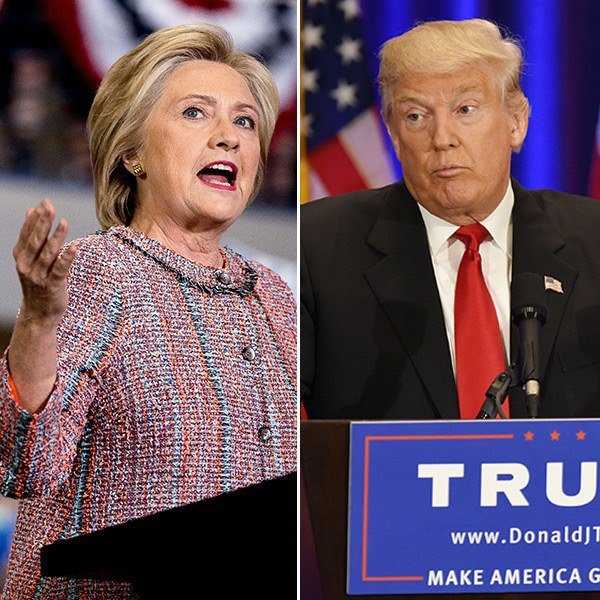
As we approach the November presidential election, doubts about both parties' candidates are prevalent in American thought and conversation. Many have stated that they would prefer not to vote.
As a first-time voter, I completely understand such a viewpoint. It seems unfair to vote in an election in which one truly feels that one is choosing between two evils. It seems that if neither of the candidates' political beliefs align with our own, we should simply abstain from voting.
However, "We the People of the United States..." is the opening line of our Constitution. If we are not voting, we are no longer being represented, unless we are completely satisfied and content with every outcome.
Voter apathy, occurring when eligible voters do not vote in public elections, is a pressing issue in the society of 2016 politics.
Feelings of political helplessness plague eligible voters due to lack of trust of government, political alienation, and lack of representation.
In Germany, a country of similar development to those of the United States, we see four major parties, or at least four that are popularly voted for in national elections. However, we see only two in the United States. While this may seem like a minor difference, eligible voters may feel alienated in an election with only two major parties, especially when both candidates represent party extremes.
Journalist George Jean Nathan said, "Bad officials are elected by good citizens who do not vote." Voter apathy indubitably leads to unequal representation of citizens.
Perhaps the greatest tool in combatting an outcome we are dissatisfied with is research. Voter apathy cannot be solved with voting alone, it must go hand in hand with an understanding of American government and the facts involved with each candidate or political party. Furthermore, a person should never succumb to the belief that their registered party is their only option. If the candidate's platform does not align with your views, then voting for their party is not going to perpetuate your beliefs and goals in government.
Events such as Rock the Vote encourage youth voters with advisory on why heading to the polls is so critical.
As college students, many people become daunted by the complications involved with registering for an absentee ballot. Nevertheless, our votes matter. Since 1984, voters age 18 to 29 have shown the lowest turnout consistently, for both midterm and presidential elections. Let's make 2016 the year we change that statistic.