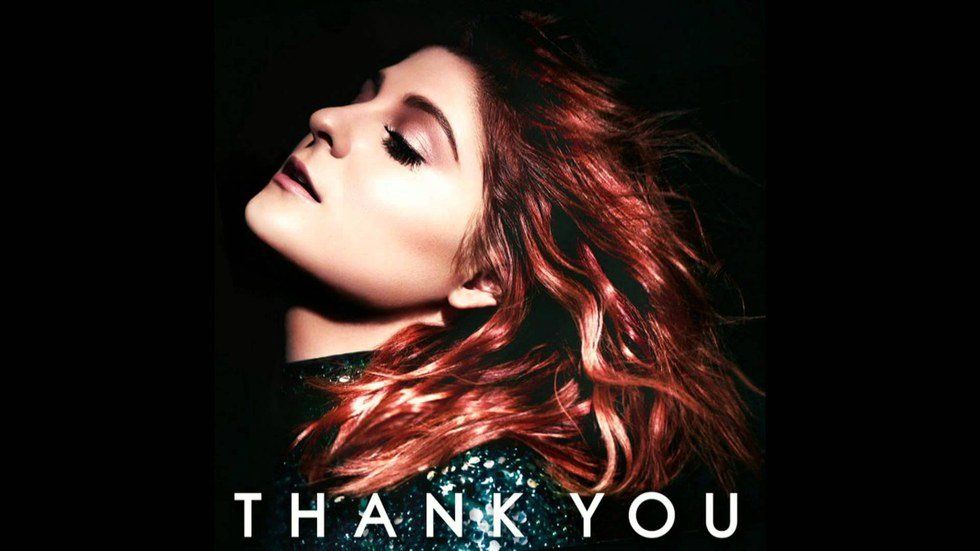
Meghan Trainor's newest music video for her new song "Me Too" was supposed to be released on Monday, May 9. But, she had it taken down later in the day and accused the editors of "photoshopping the crap out of me" to make her look skinny. Afterward, articles on nearly every celebrity gossip (and even some news) site were quickly posted with headlines similar to "Meghan Trainor Pulls Video Due To Photoshopping."
When I first saw these headlines, I thought it was a ridiculous claim (mostly because it is a video, not a photo). I thought that she was just trying to make a crazy accusation a few days before her May 13 album release date in order to get publicity for the video once it was put back online and for her album (hey, it is really not a far stretch in the industry). But, after I saw the comparison of the original video versus the doctored video, I understood what she was saying.
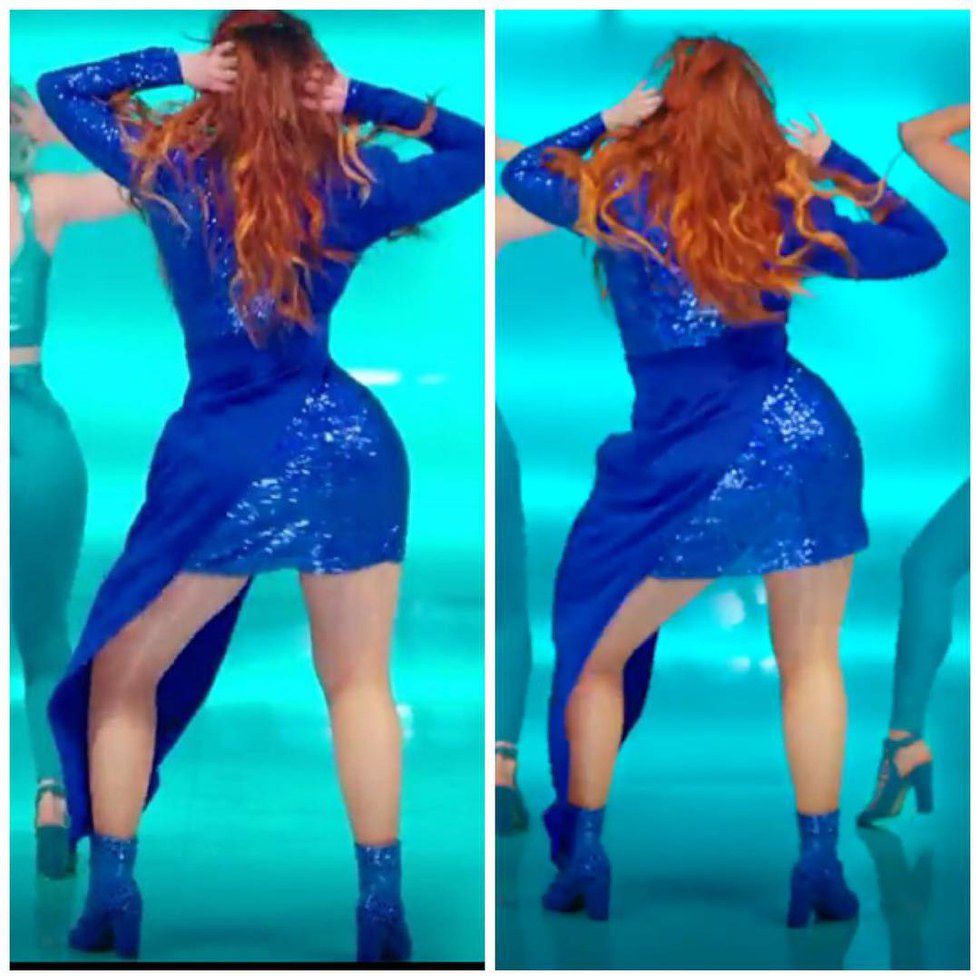
I found this to be questionable when I first saw the headlines because there was no photo comparison yet and I had not seen the original video (where I probably would have noticed the edit). I thought that something like this would be too time-consuming for an editor and, honestly, stooping way too low.
"Photoshopping" a photo and a video are two totally different things. Retouching someone on a video is like retouching a photo the exact same way many times. It seems like it would have to be done frame by frame. Think of it this way: there are nearly 30 frames per every one second of video. But, of course, I'm sure there's an easier way to do it, there always is.
What I do not understand is why you would even go through the trouble of doing this in the first place, even if it was a simple task, especially to a singer whose breakout single was about embracing her curves and self-confidence. Did they really think that people would not notice? Viewers are always on high-alert for doctored images and see videos of the process all the time, but are maybe not as alert for videos, since it isn't as common (seemingly, it's most common in films). It wasn't a subtle edit by any means.
Trainor said to the New York Post that she approved the video to go online beforehand, not noticing the dramatic edit at first. But, once fans started sending screenshots to her, she thought they took them to Photoshop. She then watched her video on Vevo and noticed that it was actually already edited. A few days later, she discussed the video more on her "Good Morning America" appearance.
Meghan Trainor is and has been an advocate for self-confidence and positive body image since her first single was released in 2014, and this new song proves it.
Although the timing of this incident was a little questionable, it proved to not be just a publicity stunt. Instead, it brought more awareness to the world of celebrity retouching (or, better known in any instance as "photoshopping"). I give Meghan Trainor her props on calling this out.