
In less than a decade, from the iPhone’s initial launch in 2007 to cars that drive themselves in 2016, technology has evolved at an unimaginable pace.
From the devices in our pockets to the televisions in our living rooms, or the computers in our homes to the cars in our driveways, and the watches on our wrists to the way we store thousands of books, videos, or photos on a memory card the size of our pinky nail -- the world has delivered technology that was once thought impossible to nearly every aspect of our lives. There are now even "smart" appliances and luggage, bluetooth-ready shoes, and notebooks that automatically turn our handwritten notes into digital files.
Every day it seems that another why-didn’t-we-think-of-that-sooner device, or piece of software is created, further expediting our daily lives, and making what is already an incredibly convenient existence even more automatic.
These words barely scrape the surface of the advancements our society has made, and this is without even mentioning how close we’ve come to developing human-like artificial intelligence through machine learning.
That being said, it would seem that smartphones -- the shiny little device that basically runs our entire lives -- are on the forefront of not only innovation, but intelligent design that keeps in mind the desires and needs of its users. Because, after all, aren’t these devices meant to be the perfect solution to all of our human problems, problems that can be fixed by simply buying a new device? Well, in 2016, the answer is a resounding "no."
As a collective, every time a new phone is announced, the tech community publishes their thoughts on the new device. While every new iPhone or Samsung device (typically) brings a wealth of applause, there is still an overwhelming sense of "meh."
Over the last few years, smartphone manufacturers have gotten better at eliminating the pointless features that the majority of the population will never use, including clunky software tricks or gimmicky hardware additions like an IR blaster. But these companies still have a long way to go.
That being said, here are a few key areas that smartphone companies still need to fix -- for the consumer’s sake.
Battery life vs. fast charging.
Yes, the ability to charge my device’s battery up to 50 percent capacity in only 15 minutes in very useful when you need a quick battery boost. But it would be exponentially more impressive to just have a bigger battery with a longer life in the first place. And why not have both?
Screen resolution.
In 2016, quad-HD screens are more gorgeous than ever. But to the naked eye, you cannot tell the difference between a 1080p panel and one of QHD resolution unless side-by-side. The benefits of 1080p not only influence battery battery life, but a standard 1080p HD screen can also improve device performance as the GPU doesn’t have nearly as many pixels to push, thus even further reducing lag or graphical hiccups.
Weight and ease-of-use handling.
Why are companies so hell-bent on making the thinnest and lightest phone possible? This not only leads to having a smaller battery in the device, but it also creates a phone that is less ‘grippy’ and more prone to drops. Just put a larger battery in the device and add a little heft to the phone to improve handling, as well as battery life. After all, literally no one will complain about a a device that is a few grams heavier.
On-board storage vs. SD card support.
Initially, almost every Android device made between 2007 and 2013 had the ability to use SD cards to expand storage, while the iPhone rejected this in order to thwart illegally downloaded music. However, there are only a handful of device makers who still support storage expansion (and Apple will most likely never welcome SD support). And while streaming music, TV, and keeping your photos and memories in the cloud is the way of the future, in my experience, I have had more frustration depending on LTE or wi-fi than I’d like. And with rising data costs, and the growing problem of 16 gig phones, it would only benefit the consumer to offer SD card support in 2016.
Size of devices.
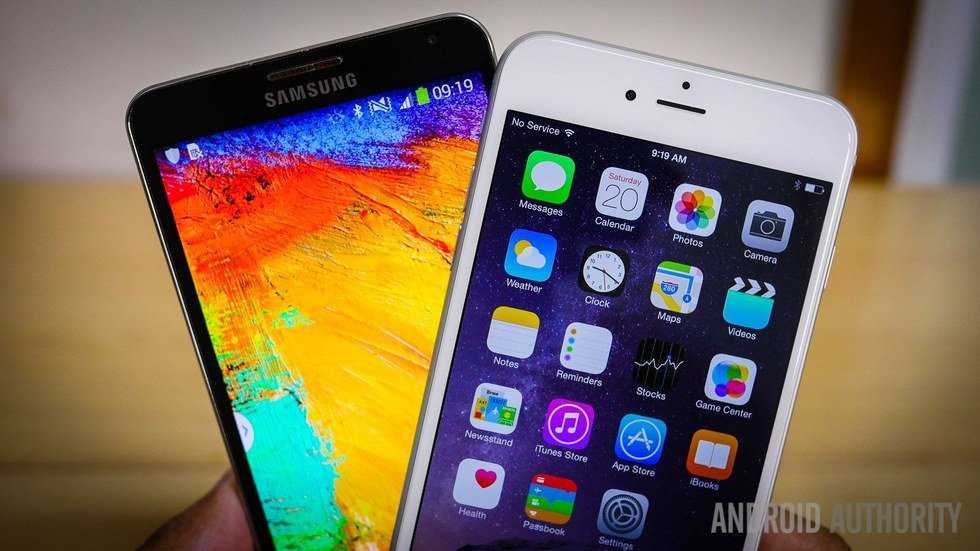
A few years ago, the bigger the phone, the cooler you looked. Now, any device with a larger than five inch display is just cumbersome. Yes, the Samsung Note line and iPhone 6s Plus are both useful for people who rely on the devices for business (or if you just have massive hands), but manufacturers should continue to focus on ease-of-use and accessibility rather than making the biggest device possible.
While technology has advanced beyond our imaginations in less than a decade, and continues to grow at an inconceivable pace, it can be easy to forget that there is still a long way to go. The market with the most work to do is, undoubtedly, that of mobile technology. And in the age of producing a new phone every few months in hopes of manufacturing perfection, smartphone companies cannot afford to forget about the most important part of any product -- the consumer.