Dear Climate Change Deniers,
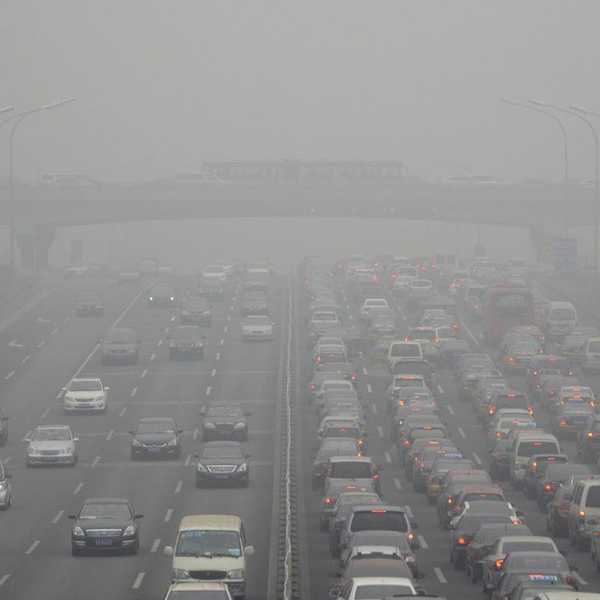
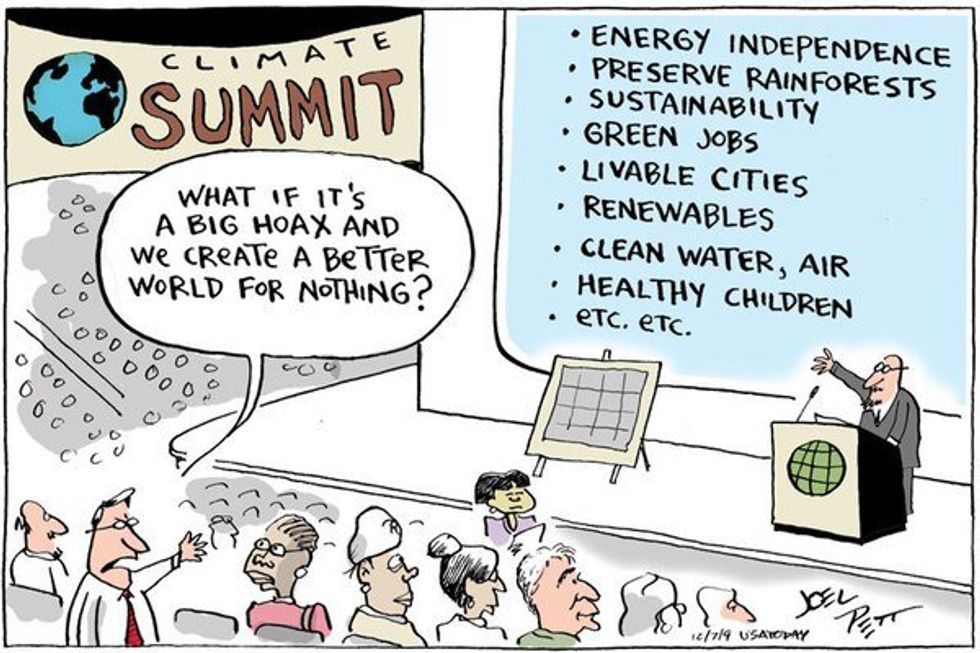
The debate on climate change is no longer about science. Let's face it, the evidence that climate change exists and is caused by human activity is overwhelming. 97 percent of active climate scientists have concluded that it's extremely likely climate change is caused by human activity. 2014 was the hottest year on record since we've started recording temperatures, and 2015 is on track to beat that. The Pentagon considers climate change to be a "threat multiplier" that will greatly affect our national security and it takes this into consideration when devising plans and strategies. So no, the debate on climate change has long surpassed being about science--it's about solutions, because the cost of mitigation is far lower than the catastrophic consequences of doing nothing about climate change.
Storms will get bigger and far more devastating, sea levels will rise, and droughts will worsen. This will lead to food and water shortages, loss of forest to wildfires, the destruction of ecosystems, and increased deaths from exposure to extreme heat and cold. The Environmental Protection Agency estimates the costs of drought and water shortages at around $180 billion by the end of the century, and these other effects could end up costing us much more.
The way we've been handling climate change so far is a risk-management failure. In their article for The Guardian, environmental risk assessor Dana Nuccitelli points out the irony that humans are typically very averse to taking risks yet are willing to roll the dice when it comes to climate change. Most of us purchase health, car, and life insurance, even if we don't anticipate becoming ill, getting in a car accident, or dying any time soon. So why aren't we taking those same precautions when it comes to climate change?
Part of the reason is the cost. Sure, climate change regulations may have a high upfront cost, but in the long run they will be much cheaper than the economic consequences of doing nothing. Businesses are afraid of environmental regulation because they believe it will stunt their economic growth. But in truth, it would end up saving them a lot of money. Renewable energy costs have been going down rapidly over the years, and switching over would save businesses money in the long run.
Another part of the reason is our elected officials. Many of them fear proposing legislation that could be costly to businesses, or they fear taking a strong stand on the environment when they think all of their focus should be on things like ISIS. Some of them are also illiterate when it comes to science, and so their opinions on the matter shouldn't be respected (including Senator Inhofe, who threw a snowball on the Senate floor to disprove climate change).

Take a look at the people in the 2016 presidential race, and see which ones believe climate change is a serious threat to national security. In the Republican party, Marco Rubio and Ted Cruz flat out do not believe human activity is causing climate change. Carly Fiorina doesn't believe that companies should "cave in to the demands of climate change activists," and Ben Carson doesn't see global warming as a major concern. In the Democratic party, Hillary Clinton and Bernie Sanders both believe in climate change and believe that it's an issue that requires immediate action.
Fighting climate change shouldn't be a single-party issue. No matter what party you belong to, if you care about the future of our planet it's important that you demand your candidates to come up with a plan. The cost of doing nothing is far too great, and electing a president who doesn't believe in climate change or our role in it poses a great danger to our national security.
Photo credits: 1