

Wow, I can’t wait to see what "Saturday Night Live" is going to do with this one.
That was my initial reaction to a recent Wells Fargo advertisement. I thought it was a joke.
The ad is for their upcoming “Teen Day,” and it depicts young people performing science experiments. The first picture has an accompanying caption of, “A ballerina yesterday. An engineer today.” The second, “An actor yesterday. A botanist today.” Both include, “Let’s get them ready for tomorrow.”
Once the reality of this advertisement set in, I tried to understand what it was attempting to say. I could not avoid the fact that it blatantly devalued the arts, a community that I consider myself to be a part of. I am an actor, and I hope that my passion can one day turn into a profession. It was not easy to read that one of the largest banks in the United States, my personal bank, thought that if I and others like myself continued on our current path, that we would not be prepared for the future.
Wells Fargo is not the first to devalue the arts as a career, and they certainly will not be the last. Almost anyone who has expressed interests to their loved ones about being an actor or a poet has been met with a concerned look, and possibly even a lecture about the lack of financial security that accompanies the artistic profession. “Oh, but I just think you would be so good at *insert job that is not appealing in the slightest.*” We know that the arts often times are not a very secure job, but that does not mean we are any less prepared for the future than anyone else. And we also understand that the arts are not confined to just entertainment for those people who want a break from their “real jobs.” They are everywhere.
The arts are so much more than just singing, dancing and writing. They are stories. They are a journey through space and time, and they transport their audience to a place that is unfamiliar to them. They allow people to see things in different perspectives on things that they may never have thought of, and challenges them to see the world in different ways. The arts are beautiful.
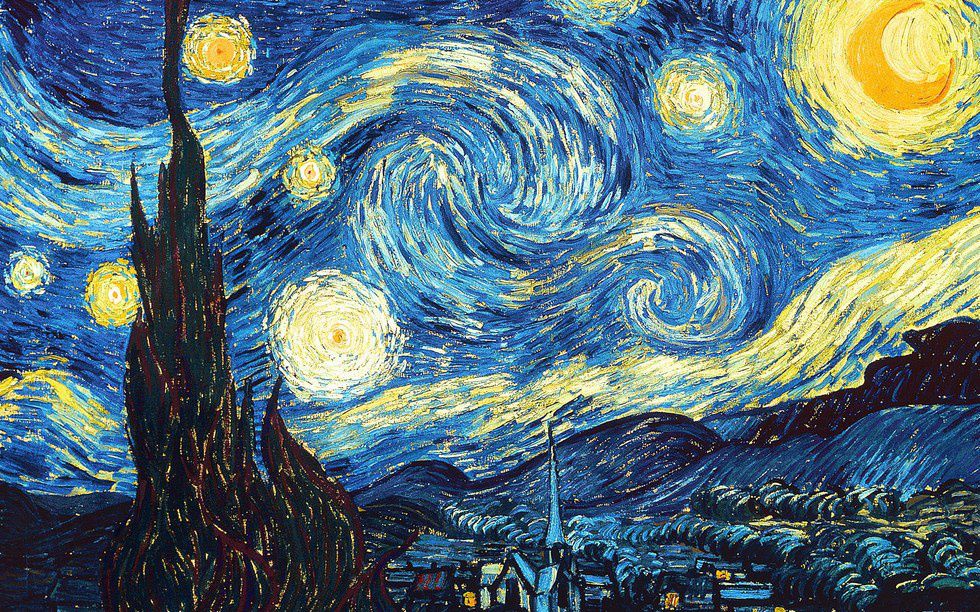
The creation of art requires creativity, critical thinking and imagination. It often requires collaboration with other people. Whether one chooses to pursue the arts as a career or not, these attributes are ones that almost any employer would highly value.
To look down on the arts as a career, also implies that you look down on those who have chosen to take on those career aspirations. People such as Tom Hanks, The Beatles, William Shakespeare, Stephen King, Robert Frost and Anna Pavlova. Would the world be better off if these artists had chosen to pursue engineering or botany instead of what they were born to do?

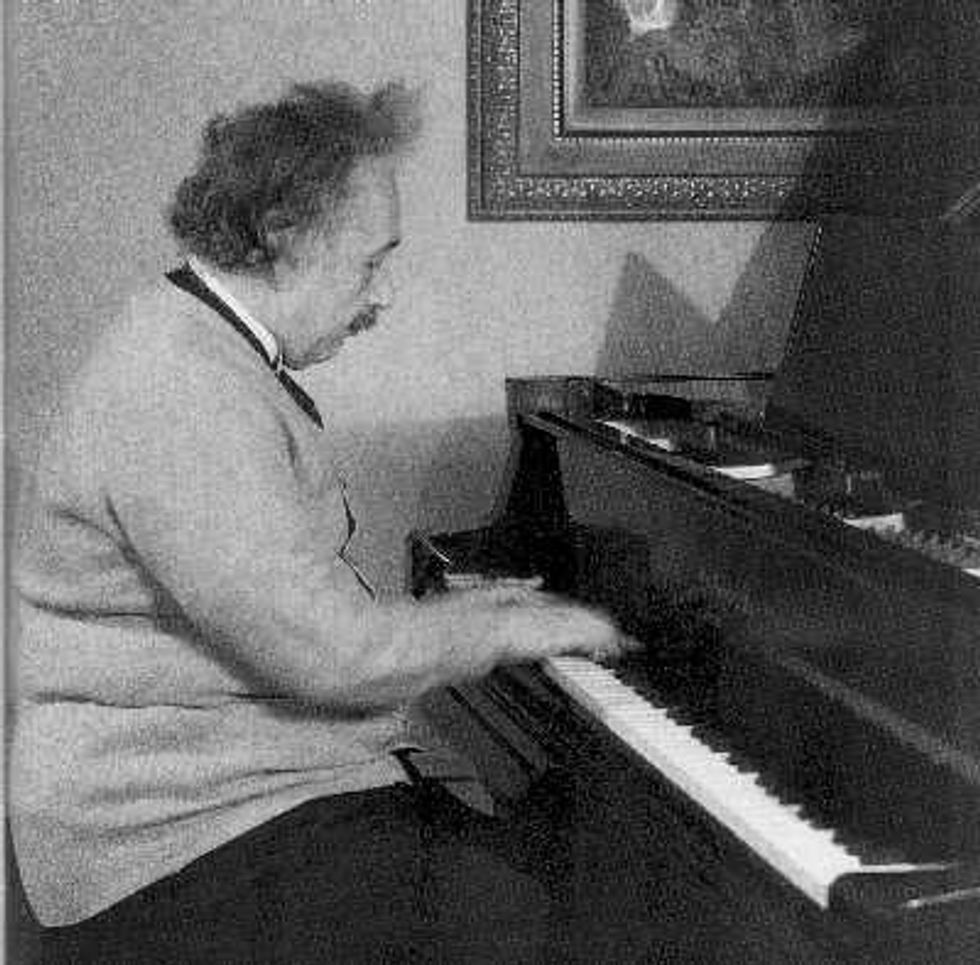
I am not trying to say that everyone should pursue a career in the arts. The world needs engineers and botanists and scientists and businessmen. Those careers are just as valuable as those that are centered around the arts. The toxic part of this message is that it discourages people from valuing the arts at all. It touts other things as more important, and more valuable. Albert Einstein, inarguably one of the greatest minds the world has ever seen, said, “The greatest scientists are artists as well.” He also said, “If I were not a physicist, I would probably be a musician. I often think in music. I live my daydreams in music… I get most joy in life out of music.” To Einstein, art and science were not two separate entities. They coexisted. And only together did they allow him to create and solve problems.
In the end, this Wells Fargo advertisement will not discourage me from continuing my pursuit of the arts. My hope is that it won’t discourage anyone from continuing their pursuit of the arts, whether it be professionally or recreationally, because the arts are important. Acting is important. Dancing is important. Writing is important. Photography is important. But on the other hand, so is engineering, and botany and business. All are critical to survival. We should be encouraging our young people to pursue what they are passionate about, and not restrict them to one field of study. Encourage them to be artistic, while also encouraging them to be problem solvers and inventors. It may be surprising as to how much those things go together.