
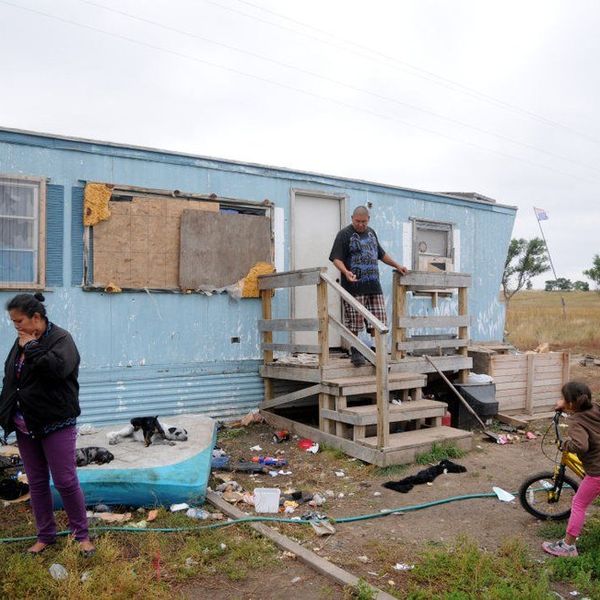
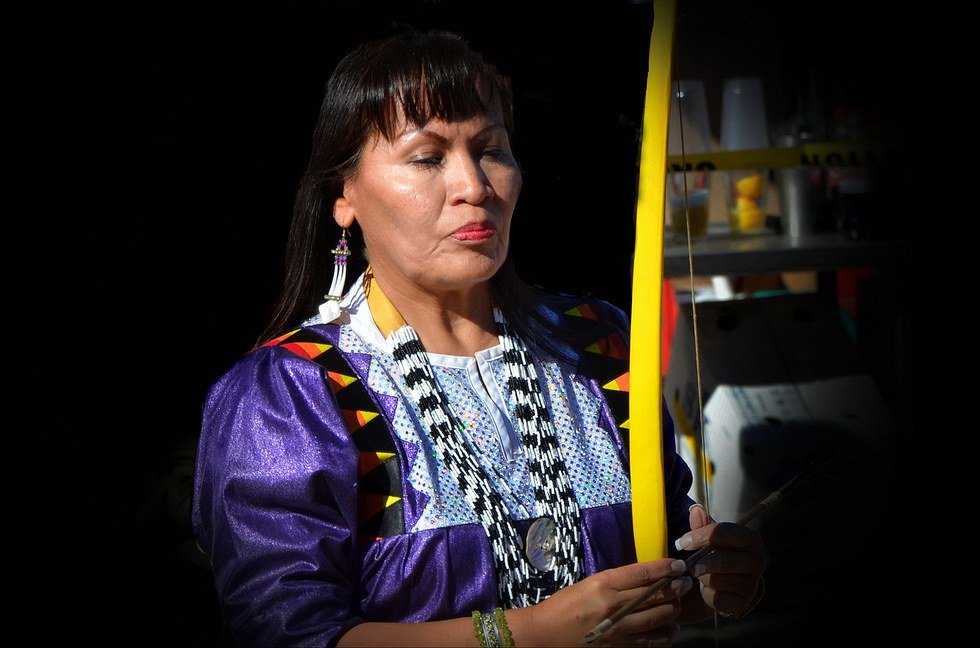
Through a consistent (albeit somewhat concerning) time commitment, I've worked my way through an impressively large portion of Netlfix's documentary selection. Which is why I found myself thoroughly surprised upon discovering a five-star documentary that I hadn't even seen in my "Suggestions For You." The movie, Reel Injun, explored the representation of Native Americans in film alongside commentary about modern life on reservations. I was captivated by the movie, but also deeply unsettled. Despite considering myself educated on many social issues, I realized I knew next to nothing about the harsh reality of life on Native American reservations. I don't think I'm alone in having this blindspot; the struggles of native populations are largely absent from mainstream media coverage and discussion.
The United States is home to about 1.9 million Native Americans, comprising 567 tribes. Each tribe is allowed to self-govern as they see fit, with only occasional high-level interference from the federal government. The difficulties facing Native American reservations are numerous and severe. One in four American Indians live in poverty. A 2013 study revealed that the unemployment rate among Native Americans is 14.6%, nearly double the white unemployment rate. Even when a Native American individual was similar to a white person in terms of age, sex, education level, marital status, and state of residence, the odds of the Native American person being employed were 31% lower than their white counterpart. Unfortunately, economic problems are only the beginning.
Many reservations are plagued by epidemic violence. Native American women are 2.5 times more likely to be victims of sexual assault than women of any other race. More than one in three American Indian women have experienced sexual violence in their lifetime. The likelihood of a Native American woman being murdered is ten times that of other Americans. To make matters worse, only a small fraction of perpetrators will ever face consequences for their actions. The US Justice Department is responsible for prosecuting only high-level criminal offenses in Indian Country. However, the Justice Department turns down half of Indian murder cases and two-thirds of Indian sexual assault cases. This leaves victims without justice and allows dangerous individuals to remain in the community and become repeat offenders.
As important discussions about oppression are taking place nationally and even globally, it's crucial that we understand the plight of those who occupied America long before Christopher Columbus sailed the ocean blue. The United States is responsible for stealing Native American land, brutalizing their populations, and forcing them onto reservations. Now is not the time to turn our backs on them.

















