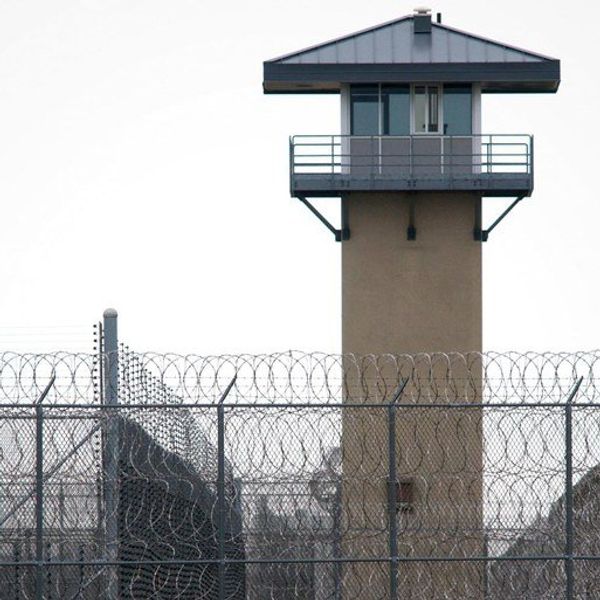

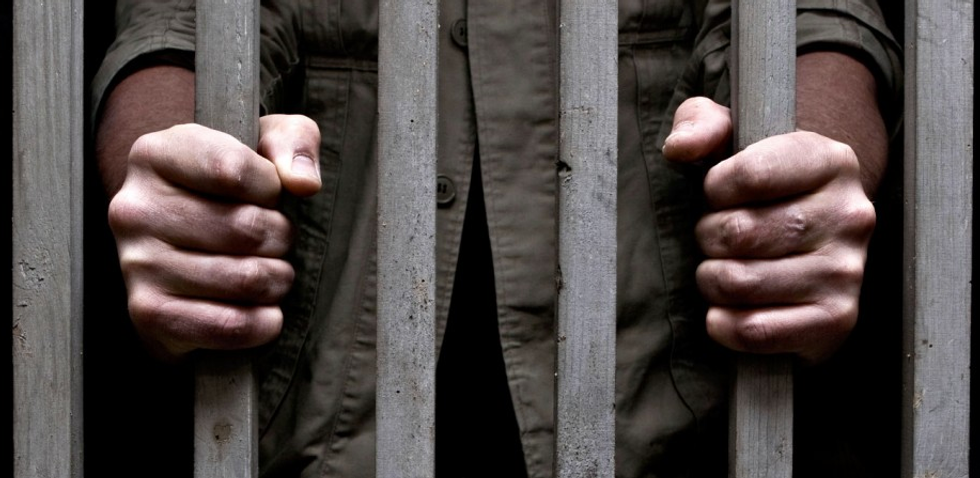
Each morning in schools all around the country, millions of children stand and pledge “liberty and justice for all.” About one in every 14 of those children currently has or had at least one parent in prison. This statistic is staggering, especially given the emotional trauma these children face due to the shameful stigma they will now carry for, likely, the rest of their lives. It’s true what they say about our generation being pessimistic, but the reason for this is simple: they made us this way. How are we expected to be proud Americans when one-fourth of black men will serve time in prison? When we are too quick to judge those addicted to drugs, so we just lock them in the nearest jail cell? When the crime rate is actually down, but the incarceration rate is up? How are we expected to wake up each morning and pledge that America gives “liberty and justice for all” if “innocent until proven guilty” only holds true for those who have the money to post bail? It’s past time we begin to reform our prison system. Before we can do this, though, it’s important to know just how horribly it is failing its citizens.
Many have probably heard of the War on Drugs, but may not understand how this has affected our prison population over the years. A quick statistic: in 2011, 48 percent of inmates of federal prison were incarcerated on drug charges. Nearly half of federal prisoners are behind bars because of illegal drugs. As a country, we need to decide the purpose of our prisons. Are they meant to punish or rehabilitate? Here's the Federal Bureau of Prison's mission statement:
"It is the mission of the Federal Bureau of Prisons to protect society by confining offenders in the controlled environments of prisons and community-based facilities that are safe, humane, cost-efficient, and appropriately secure, and that provide work and other self-improvement opportunities to assist offenders in becoming law-abiding citizens."
No one will argue that our prisons confine offenders, but are they truly offering "self-improvement opportunities to assist offenders in becoming law-abiding citizens?" The answer is no, they are not. America has a reoffender rate of about 40 percent, meaning that within three years of leaving prisons, about 40 percent are back behind bars. This number is high for various reasons, many of which have to do with the way our society views those who have committed a crime. Instead of assuming that prisons have done their job and have rehabilitated our citizens, we actually think the opposite. In a survey of employers, 40 percent stated that they would “probably” or “definitely” not be willing to hire an applicant with a criminal record for a job not requiring a college degree. Without work they cannot pay for housing, food, or any dependents like children or elderly parents. This leads many to reoffend simply because they find prison life easier than the "real world." We are living in a world where some people would rather be in prison because society has made them feel so ostracized.
The thing about the American prison system is that they have figured out how to capitalize on the family and friends of those serving time. Naturally if your child is in prison, you will probably want to talk to them on the phone or even visit them in prison. Great! Securus would love to charge you for your phone calls. The prices of these calls range depending on time of day, facility fees, and actual length of call. Maybe you'll try to visit one day. Hopefully the prison you are visiting isn't hours away, but it probably is. Make sure your clothes are appropriate enough for a nun to wear, carve out extra hours to sign in and be approved, and hope there are enough officers on duty to actually run visitation that day. If there aren't, too bad. Go home and try again at the next visitation day, which may not even be the next calendar day. This system is financially and physically exhausting for the people who have the audacity to continue to associate with their loved ones.
It can be easy to detach ourselves from this world because, if you're reading this, there's a pretty good chance you are not currently incarcerated. It's imperative that we remember that these people are humans. They are our sisters, our cousins, our sons, and our friends. If you don't know someone who has been incarcerated yet, statistically speaking it is truly only a matter of time. Stand with me, and demand a change. It is harming this generation, but it is crippling the next one.