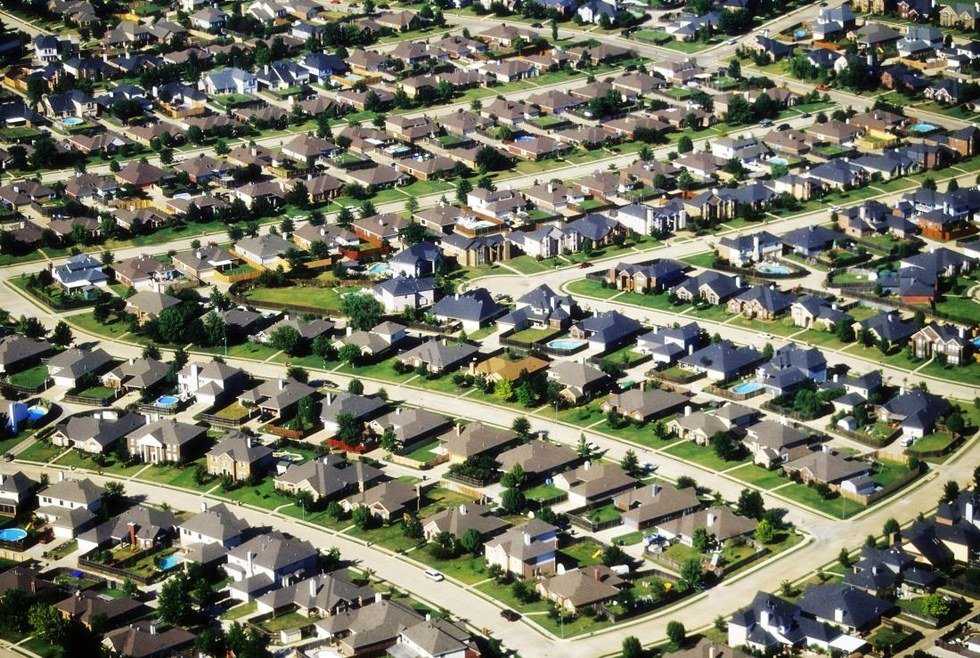
As a born-and-raised American in the United States, the nuances of suburbia became normal and eventually expected in my comings and goings. Living amongst dozens of neighborhoods with tree-lined streets, cul-de-sacs, and cookie-cutter houses was never an anomaly during my childhood years. As a patriotic nation coming off a hectic week filled with celebrating the Fourth of July, followed up by countless acts of violence across the country, the value of nationalism couldn’t be greater.
Have you ever gone down a residential street and counted the number of houses that are bare of traditional American flags? This morning, I was struck with a sudden thought: how have the deep-seated roots of our nationalistic pride, as American citizens, influenced the way we view our lifestyles, and subsequently, the way we embody said lifestyles? It almost seems like a no-brainer, but those who have familiarized themselves with suburbia and don’t know any differently cannot possibly be expected to always behave in a culturally and socially sensitive manner. In retrospect, the seemingly-coveted value of nationalism ends up uncovering the hidden hierarchy beneath the consumeristic, materialistic, modern-day United States. This hierarchy almost acts as a shield of protection that many choose to hide behind, for motivations unknown to the larger eye—perhaps fear, crippling uncertainty, or mistrust of the government. When our American identity is threatened, we are provoked to respond; oftentimes, the response is to take action.
As we are still reeling from this past week’s unexpected events related to murders of human beings committed by other human beings, we are being challenged as a unified group of citizens. We stand on soil that has been toiled by the hands of the indigent; our social institutions are rooted firmly in the democratic provisions that we believe should be available to all; the millennial generations are beginning to embrace postmodern thoughts and ideas. Do we possess the right to speak into areas where we feel injustice has been committed, and to do it with integrity and humility? Do sentiments of American nationalism weave their way accordingly into the fabric of the country as a whole? How do we respectfully address individual concerns that will inevitably be expressed? Is it truly our “American duty” to not simply write a long-winded Facebook post about our sympathies for the pleasure of the masses, but rather to exhibit these constitutional ideals through daily deeds?
A curiosity that I am interested in diving into further is the fear of vulnerability that many Americans resort to, particularly regarding a false sense of privacy that the façade of suburbia creates. How easy it is to mask the actual story of severed familial relationships and a lost job behind the so-called security of a white picket fence, endearing wooden signs, and a friendly golden retriever. When all one knows is the occasional greeting with the next-door neighbor on Sunday mornings after church before retreating into the comfort of the garage, one slowly but surely loses the true significance of Americanism. If we long for solidarity and community, let us begin to lay aside our sense of self-justification and our self-seeking need for independence. May we come to recognize the honest beauty of living in spaces of raw vulnerability, as much as our humanity can allow. This is our anthem, to go to unashamed lengths of courage to stand beside one another, one diverse body joined together in faithful national pride.