The average graduate in the Class of 2016 owes $37,172 in student loans. Meanwhile, more than 99% of universities and colleges spend and lose millions of dollars every year on their Athletics Departments AND spending is increasing at an incredible rate. Why? There are two issues at play: incentives and misinformation.

We all know that an incentive is anything that motivates or encourages us to do something. Now, put yourself in your university’s shoes: You need more students paying tuition and bringing in federal/state scholarships and grants to increase your revenues and spread your costs (see my first article for more on this). So how do you go about recruiting more 17 – 18 year old high school graduates to attend your institution? Give them what you THINK they want – entertainment and school pride.
A strong athletics department brings good publicity and positive school pride to an institution – but how much publicity? How much school pride? This issue is all about assigning an accurate value to what each additional dollar of spending brings to the school. Each institution must answer this: is the money actually going toward an activity that benefits the academic and financial integrity of the school? Typically, people and institutions take one side or the other on this issue – there is not much in between. The issue I take with both sides is that they are usually based more on assumptions than actual facts. Allow me to explain.
The first and most logical step in answering this question is to find out what impacts this spending has on the school’s current students and prospective students. In order to find that, we must measure:
- The institution’s selectivity - for the school’s overall quality
- Number of applicants - for the school’s popularity
- Quality of applicants - for the school’s perceived value
- Student retention - for the maintained happiness of students
- Alumni giving – to measure the satisfaction of alumni.
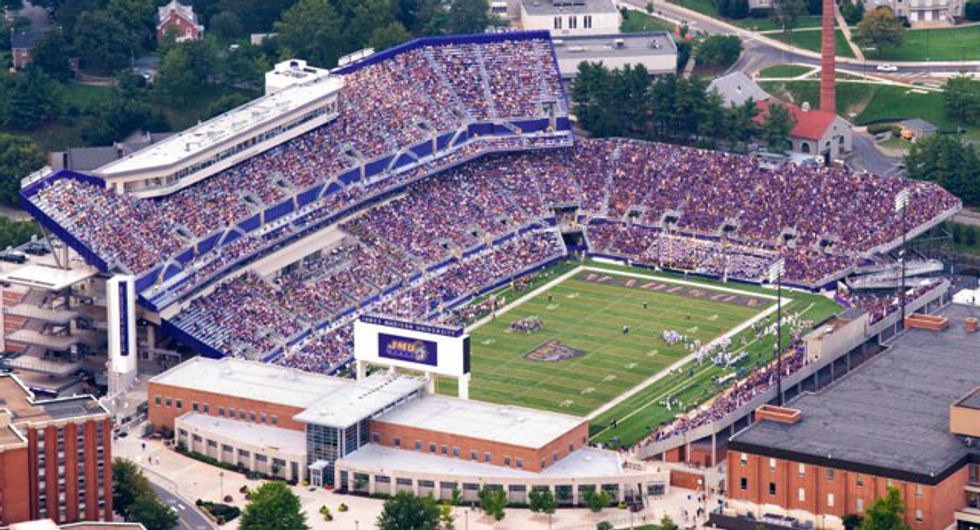
Lots of studies have been conducted for the bigger Division 1A programs – especially in football. One such study, by Chad McEvoy of, Illinois State University found that schools whose football winning percentage went up by 25% only saw a 6% increase in undergrad applications on average. Another study by Devin Pope, found that schools who “win big” (win a BCS Championship) see a very slight uptick in SAT scores the next year. So, the University of Houston spent $45,000,000 and lost $26 million on football to win the Peach Bowl in 2015 just to have a chance at seeing a slight uptick in their prospective students’ SAT scores. In the same year, James Madison University spent $45 million and lost $35 million for very little noticeable benefits. When we look at the numbers, we see that the benefits of these programs are greatly exaggerated. But what about the small schools?
There are no large-scale studies that I have found on the impacts of athletics on small universities, so I conducted my own. I compiled data from the National Center of Education Statistics on 50+ NCAA Division 2 schools with less than 1,000 students. My study looked at what happens to a school when it adds football and/or increases its spending in athletics. After organizing and analyzing all of the data, my results were surprisingly clear:
- Selectivity in the majority of schools either stayed the same or got much worse – several schools admitted 100% of applicants within 2 years of adding football.
- The change in the number of interested applicants varied by school, which implies that football has no uniform impact here.
- There was no impact on the growth of the student population.
- The average SAT score went down.
- The student retention stayed about the same or plummeted.
- Alumni giving went up by 1.5% when a school added football. Otherwise, the average school’s alumni giving only covered 2-4% of the athletics budget.
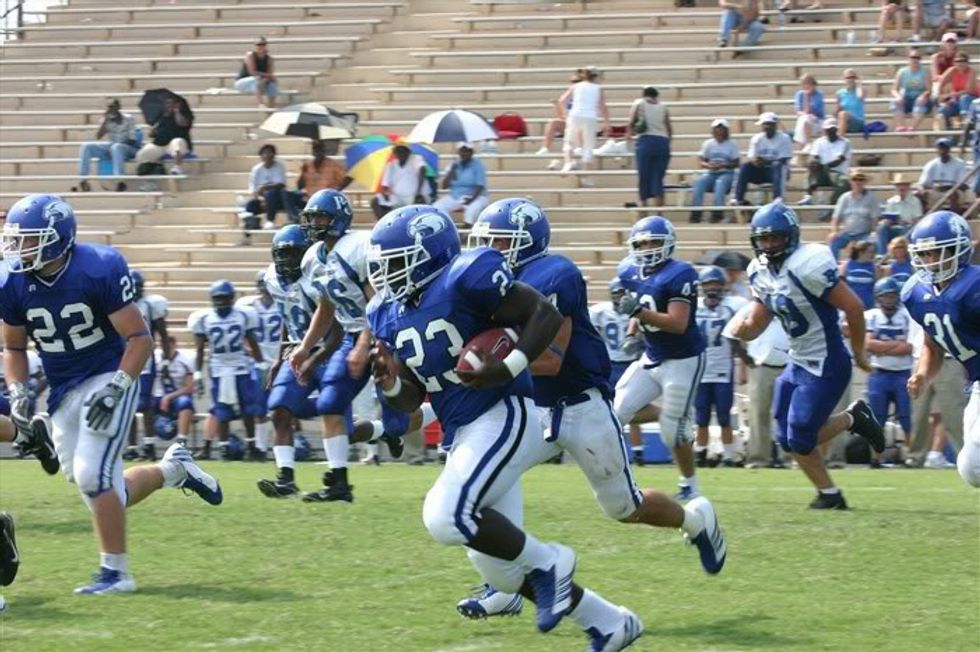
In the final analysis the numbers just do not support the arguments for increases in athletic spending. The schools’ incentives for spending more on athletics are built on unfounded assumptions – and as a result, college athletics has become an “Arms Race” in which only 1% “have” and 99% “have not.”
So why do we assume that college athletics are a cash cow?
Think about it, who benefits the most from the lie AND controls the general public’s knowledge of it? ESPN & the NCAA. I’ll explain next week.