Over the summer, two particular friends of mine took on the (fun) task of driving me everywhere. (Most of the time, this consisted of driving me to hang out with them, so I don’t really think they were complaining.)
On one such occasion, one of these two was driving me home, and we landed on the topic of high school attitudes. Both of us had very much looked down on people who drank and partied; we had put those people in a certain box and then stuck up our noses. For him, it was the fact that he’d been raised to view such a lifestyle as inherently sinful. For me, it was more the fact that many of my peers who decided to consume alcohol while underage seemed to do it for the sheer rebellion.
We noted that, like so many others, we came to turn our attitudes around once we entered college.
After all, the people we know now who drink and pregame every weekend are not slackers or rebels; they’re students who study hard and just happen to play as hard.
But my friend manning the car mused that there are still people — specifically college students — who view consuming alcohol as a sin, and who don’t just stop there, but continue to judge those who choose to partake in the so-called “party lifestyle.” He wondered aloud where such strong attitudes could come from, and how they could persist, and concluded that they could only originate from the family. (We both acknowledged, however, that abstaining from alcohol while underage on account of its illegality is 100 percent valid.)
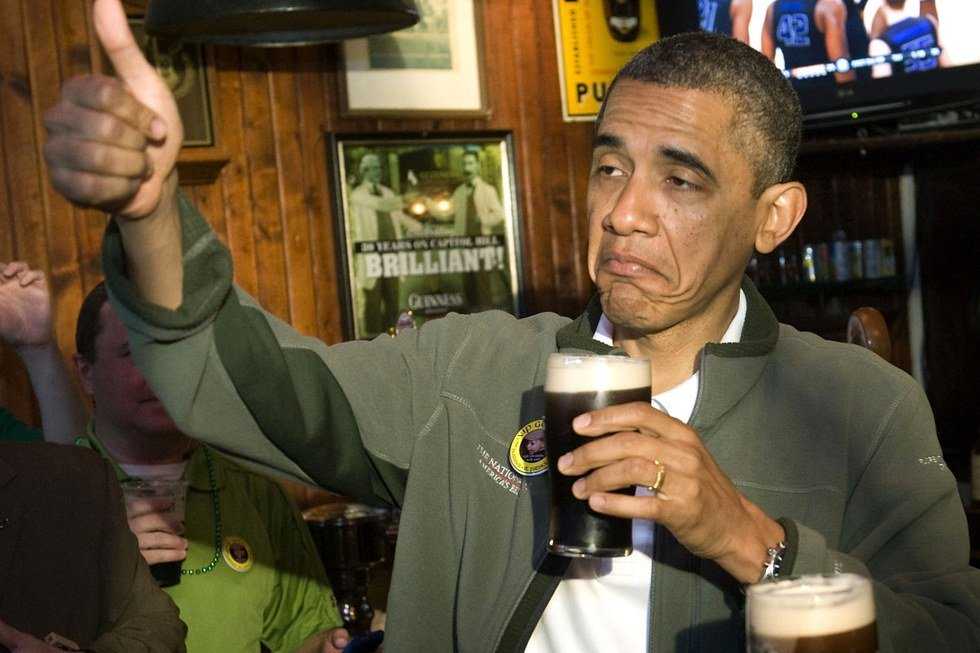
I have no idea why so many American college students drink. Maybe everyone is suffering from nihilism and use alcohol to drink their sorrows and apathy away. Maybe we’re all existential and lost in a spiral of millennial ladder-climbing, caught in the throes of the rat race. Or maybe it’s in fact that long-debated issue of the age 21 legality that makes underage drinking so enticing — and perceptibly out of control. But there’s no doubt that, for better or for worse, alcohol has the power to bring people together.
It’s amazing how incredibly happy completely normal, calm friends are to see each other after having a drink or two, how affection just comes pouring out, and how weekend pregames in a particular room or suite or lobby become a lifestyle staple, a stable social activity. It’s broken down the barriers, whittled away at the crippling inhibitions, forced normally awkward (sober) people to talk to each other.
It’s dangerous. I acknowledge that. Some might get too close to addiction and find themselves relying on a substance to make other things — insecurities, personal woes, etc. — go away. But no one has the right to judge you what others choose to spend their time doing. Yes, friends can and should help if they believe harm may be at bay, or if behavior is spiraling out of control; after all, friends look out for each other.
But I remember what it was like in high school, looking down on peers who drank, and I know now I was certainly not in the right for feeling I was better than them. I really wasn’t any better — it didn’t matter that their idea of having fun wasn’t the same as my idea of having fun. It didn’t even matter that maybe they were just drinking for the sake of breaking the rules, and feeling like the “cool kids” in high school.
Alcohol in itself isn’t wrong — though yes, I concede it’s basically liquid poison, especially in certain forms. But, like so many other things, it’s how we react to it and take it in stride that matters.
My friends study hard. We’ve all made mistakes, but we care about each other and would never endanger each other. Alcohol has the power to create unforgettable (or … forgettable) memories, and I can recognize that it has its merits.
I don’t know why it does what it does, and why people drink the way they do, and sometimes when I think really hard about it (like now), I get confused and think in circles because I don’t know if getting drunk is deplorable or sinful.
Maybe that’s the point, though — we don’t know if it’s right or wrong. So take it as you will. Feel good. Loosen up. But everything in moderation … including moderation itself.