

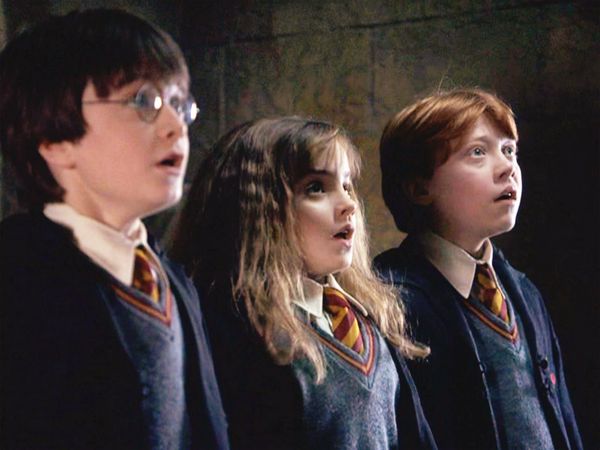
We, as a generation, are unified by one simple thing: "Harry Potter." Whether by page, by screen or even by theme park, almost every young adult has had some connection to this Wizarding World created by J.K. Rowling. This series has bonded us together. The "Harry Potter" generation is one of the strongest and most emotionally competent generations of all time.
The boy with the lightning scar greatly defines most of our early experiences. The characters of the "Harry Potter" series are my friends. They have taught me about friendship, bravery, intelligence, and love. Harry Potter was, and still very much is, my childhood.
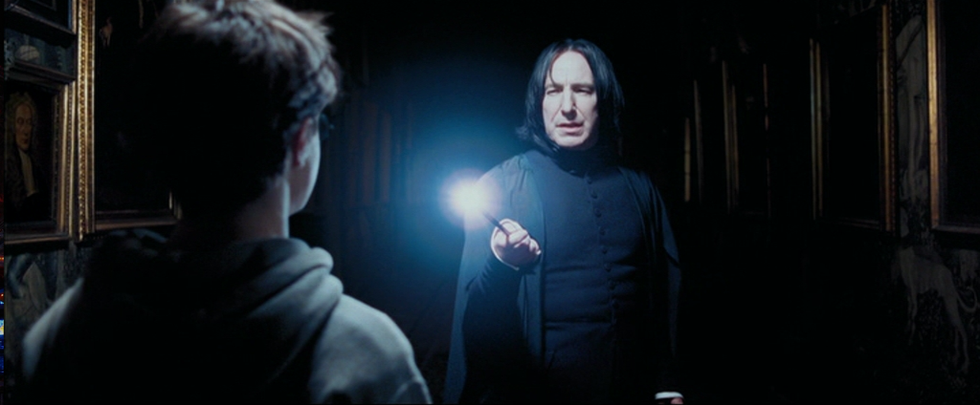
On Thursday, we lost a major part of our childhood. Alan Rickman lost his battle with cancer at the age of 69, sending the entire generation into a cloud of mourning.
Why is this? Very few of us knew him outside of his role as Severus Snape and even less knew him personally, yet we all feel the grief of his absence.
The character of Snape taught us so much. He forced us to learn how to be patient. He challenged our previous belief about good and evil. He showed us that people could change. He exhibited a different type of love -- a love for another person that can last long after we leave this world. And he always gave us an urge to open our books to page 394. And there was no other actor than Alan Rickman who could instill these things in us even more. His deep tone and long pauses perfectly accented the character that we all had created in our heads. He made Snape lovable before the readers even knew he was truly capable of love.
Snape's death in the final moments of the series is one of the most pivotal and influential moments our time has ever seen in literature. In a culture that often views unrequited love as weakness, Snape is unashamed to share his story with Harry. In his last dying moments, he lets Harry know that there has always been someone looking out for him -- that Lily's love for her son lives on through Snape.
Snape's death propels Harry forward and makes him ready to face his greatest battle.The death of Alan Rickman was a pivotal moment in our lives. It is propelling us forward into our own battle, the battle of growing older. We are no longer 11-year-olds anxiously awaiting our Hogwarts letter. We are no longer begging our parents to let us attend multiple midnight movie premieres. We are no longer waiting in agony to see how the story ends. The story has come to a close. The characters have found their happy endings, and we have been forced to move forward. Times have changed, villains have been vanquished, and new challenges have come into our path. Rickman's death has forced us to face this reality that we are no longer children. We have grown up. We can no longer attend Hogwarts.
This grand realization would be so heartbreaking if not for one magical thing. J.K. Rowling brilliantly summarized this magic at the final movie premiere in London:
“Whether you return by page or by screen, Hogwarts will always be there to welcome you home.”
Yes. We have grown up. But that doesn’t mean we can't revisit our old childhood friends: Harry, Ron, and Hermione. We can pick up a book and read about Snape’s heroism or we can watch a movie and see Alan Rickman brilliantly bring this antihero to life. Because of Rowling’s written words and Rickman’s performance, we will never loose Snape, Harry, Dumbledore or any of our beloved characters. We will always be able to visit with them. We can forget the words they said, we can forget the names of the actors who portrayed them, and we can forget the spells they cast but we can never forget the way they made us feel.
Even after all this time, Hogwarts will be there to welcome us home. Always.

















