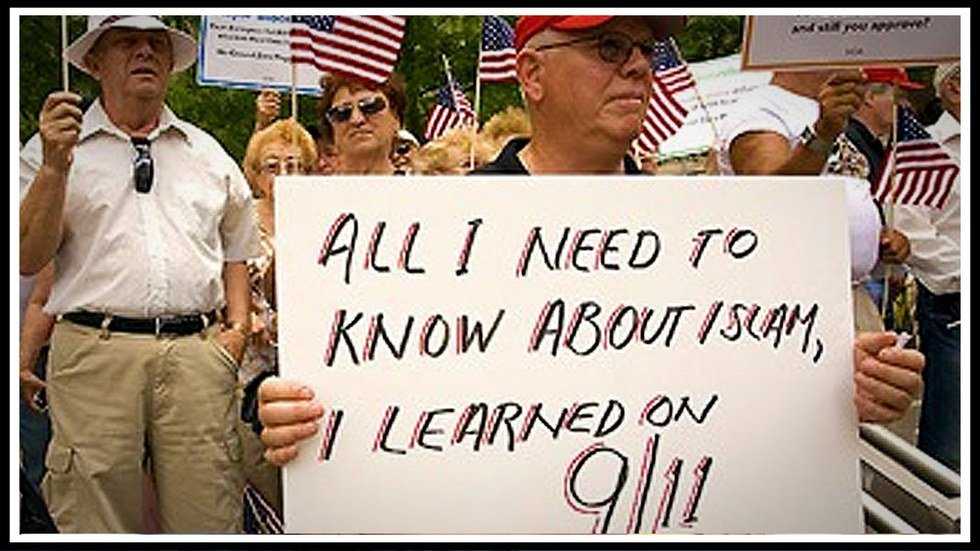
Accusations of “Islamophobia” in pop culture and modern media have never been as widespread as they are now. We are facing yet another radical Islamic terror attack, and the very real Syrian refugee crisis has taken its fair share of center stage in the United States presidential race.
News media anchors and pundits would have you believe that folks who are “Islamophobic” are the reason we have made little to no progress in assessments of and policies towards terrorists and refugees, but this is not so. Don’t believe this lie, however, unconscious it is, from its source. What really holds us back in these crucial discussions is those accusations themselves.
“Islamophobia” is a horrible term in itself because it perpetuates the foolish linkage of Muslims and Islam in all of this dialogue. To make any progress in dealing with radical Islamic terror, Middle Eastern refugees or the inevitable increasing influence of Islamic culture in the West, we must learn to separate Muslims as people from Islam when we discuss this issue.
This is made incredibly more difficult when world leaders like the American President and Middle Eastern organizations like the Organization of Islamic Cooperation, which publishes reports of what they perceive as instances of “Islamophobia,” use the term frequently in their dialogue.
But the true danger of “Islamophobia” is the dialogue-killing nature of such accusations. Peruse the Internet briefly and a casual observer will soon notice that even the slightest negative statement of the smallest aspect of Islam (not even of Muslims themselves) will earn immediate accusations of being “Islamophobic.” Making matters worse, this term is often accompanied by other equally dialogue-stunting terms like “hateful,” “bigoted” and “racist,” to name some of the kinder ones.
Perhaps this is symptomatic of modern Western isolation and individualism, but I believe we can be better. Even beyond that, we have a duty to be better because so many lives are staked on the West figuring out how to deal with the unique issues strongly affected by Islamic culture and thought.
This is the modern (and proper) “White Man’s Burden,” if I dare use that term: not to imperialize the world by imposing our own values on it, but to share with it the blessing of Western innovation and the human rights brought by effective rule of law whilst working to maintain the greatness of other cultures in their native lands. This is totally different from the imperialism we learn about in school, but it has to start with each of us gaining a little personal intestinal fortitude and removing our collective barriers to constructive dialogue, like “Islamophobia.”
We have to understand that just because someone points out one verse in the Quran that encourages violence does not mean they believe Islam is a violent religion or that every Muslim is violent. That is an entirely new debate; but by immediately heaping an insulting accusation on them, you may have not even allowed the person to point out a peace-encouraging verse in the Quran as well.
Another example: we must learn that by stating the fact that a few refugees may have terrorist plans does not necessitate the lunatic belief on behalf of the speaker that all refugees are plotting collectively to subvert Western society. I would strongly argue that almost all refugees are simply seeking the glorious safety and prosperity that Westerners take for granted every day; however, I would also be endangering the country I swore to defend as a Second Lieutenant if I pretended that we need not be safety-conscious when we screen these refugees. Otherwise, the bloodbath we saw in Paris becomes more likely to happen at this year’s World Series. These are just two examples of the patience and regard we must have for those we engage in dialogue with about these critical issues.
I do not doubt the good intentions of those who want us to show the utmost respect for our Muslims neighbors and their faith in our dialogue, but hurtling a discourse-stifling unwarranted insult such as “Islamophobic” at them is more accurately an insult to their sincerity as well as to your intelligence and passion. If we are going to work for the safety and equity of all, as is the duty that accompanies our Western privilege, we have to remove the barriers we have erected between us and constructive discourse.
“Islamophobia” is one of the biggest I have observed. Even if the person you are conversing with is genuinely afraid of Islam or Muslim people (and there are a few out there), rise above shaming them for the sake of all those souls your dialogue’s success or failure will affect. Nobody’s heart has ever been changed for the better by the onslaught of shame – only the onslaught of love can do that, especially in the times when it is most difficult to love.
For further reading on this topic, I recommend "Answering Jihad: A Better Way Forward" by Nabeel Qureshi, available here. Dr. Qureshi's interview on the Eric Metaxas Show is also strongly recommended.