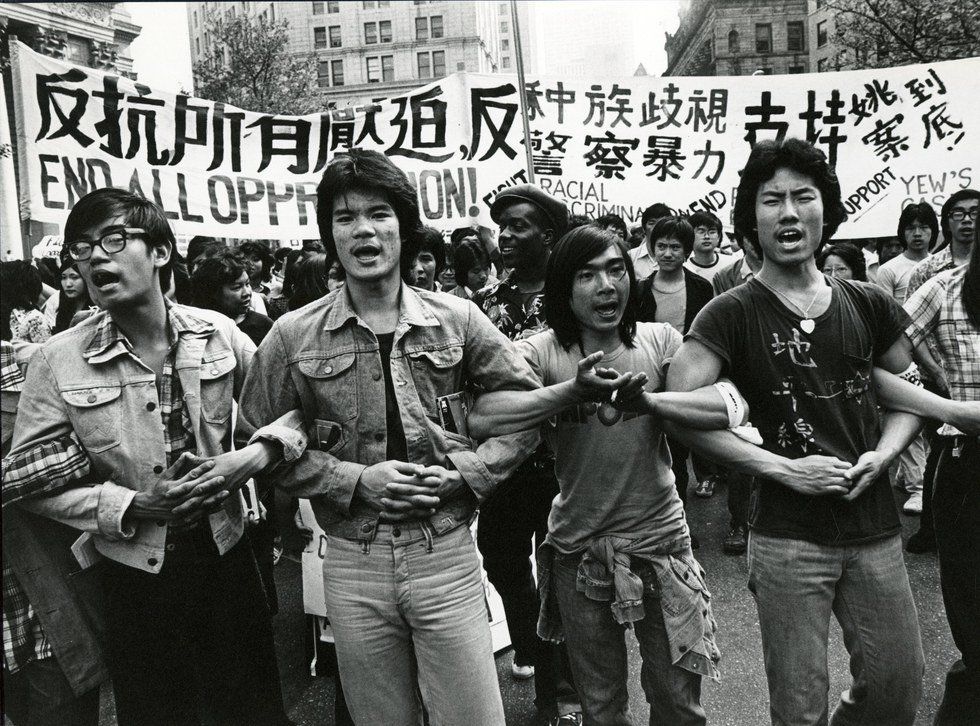
How different identities have acted, reacted, and breathed with other social movement between blacks and Asians is only common knowledge among few. In honor of black history month, we celebrate how the civil rights movement has influenced other movements and the significance of the ideology rooted by black activists. How black social movements intersect with Asian social movements are vital to understanding the relationships that currently unfold today. The toils of marginalized people don’t just stay within their respective work; they leave a lasting impression on others to instigate change in their own lives. Their work reverberates throughout history and stays with us in the present.
1. Japanese-American activist Yuri Kochiyama working alongside Malcolm X during the Civil Rights Movement

Ever since Yuri Kochiyama shook Malcolm X’s hand in 1963, their fight for civil rights never ceased until they met their death beds. They became acquainted and she was a member of his Organization of Afro-American Unity. Even though they only knew each other for a year and a half, his influence encouraged her to remain committed to the causes in the black, Latino, and Asian-American communities.
2. Chinese American activist Grace Boggs alongside C.L.R. James during the 1950s

Grace Lee Boggs was an American social activist and feminist known for her years of political collaboration with C.L.R. James, an Afro-Trinidadian historian in the 1940s and 1950s. She joined the Johnson-Forest tendency led by C.L.R. James, a radical left tendency in the United States that stemmed from the Workers Party. They focused on women, people of color and youth and Grace later moved to Detroit where they continued to focus on civil rights. Their book, Facing Reality, focuses on anti-authoritarianism and revolutionary internationalism.
3. Black opposition during Philippine-American war
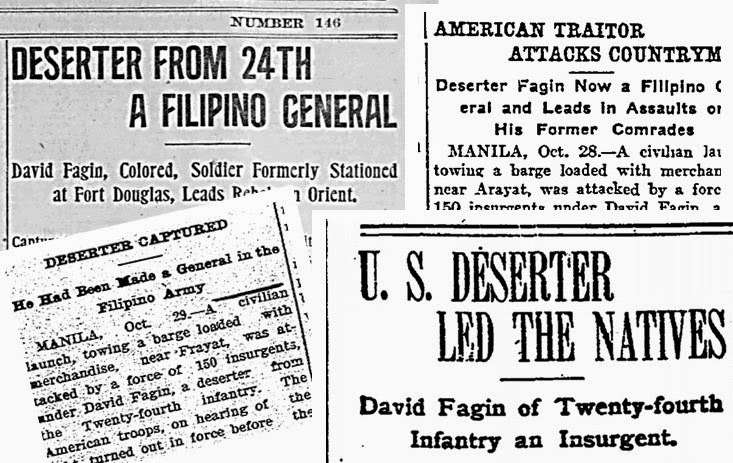
When the US took control of the Philippines in 1898, there was considerable opposition in the black community to intervention in the Philippines. Many black newspaper and articles supported the idea of Filipino independence and were against the United States subjugating non-whites in the developing country. When black soldiers were sent over to fight, many increasingly felt they were being used as instruments to oppress other people of color. One of the commanders, David Fagen, even defected to the Filipino revolutionary army and fought for their cause in the next two years. He was seen as a symbol against white imperialism among the Filipino revolutionaries.
4. Richard Aoki participation in the Black Panthers

The Black Panthers came to symbolize black militant power and rejected nonviolence ideals of earlier civil rights campaigners. Richard Aoki obtained a leader position in the organization and became the minister of education for the Black Panther’s Berkeley branch and believed that being inclusive among racial lines was necessary for people to gain freedom, justice and equality. While he may have been accused of being an informant to the FBI, his collaboration with the Black Panthers is still significant in connecting lines among color in revolutionary social movements.
5. Maoism influence on African American radical politics
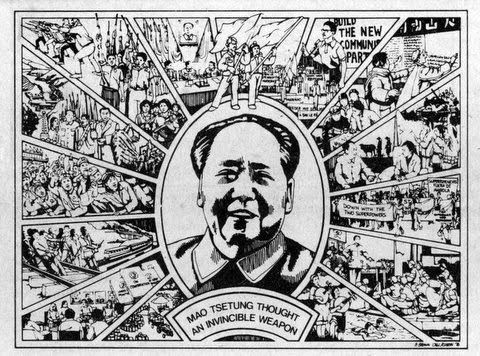
The thought of Mao Zedong influenced radical African American activists such as W.E.B. Du Bois and the Black Panther Party. His ideals influenced their ideologies with a Third World Marxist model that drove them to challenge a Western vision of class struggle. W.E.B. Du Bois regarded China as the giant poised to lead people of color against the struggle of imperialism. Chinese peasants as opposed to the European proletariat endowed black radicals with a deeper sense of revolutionary importance and power and helped shaped conversations surrounding black arts and politics.
6. Ram Manohar Lohia fighting Jim Crow laws

He was an Indian politician and activist prominent in the movement toward Indian independence. He encouraged African Americans to use nonviolent civil disobedience and was arrested for violating Jim Crow laws by repeatedly entering a restaurant that refused to serve him. Indian and African American solidarity was largely facilitated by African American journalism producing articles about India and vice versa. Lohia stressed that segregation was a moral issue as opposed to a political one.
7. Ambedkar influenced by African American struggles
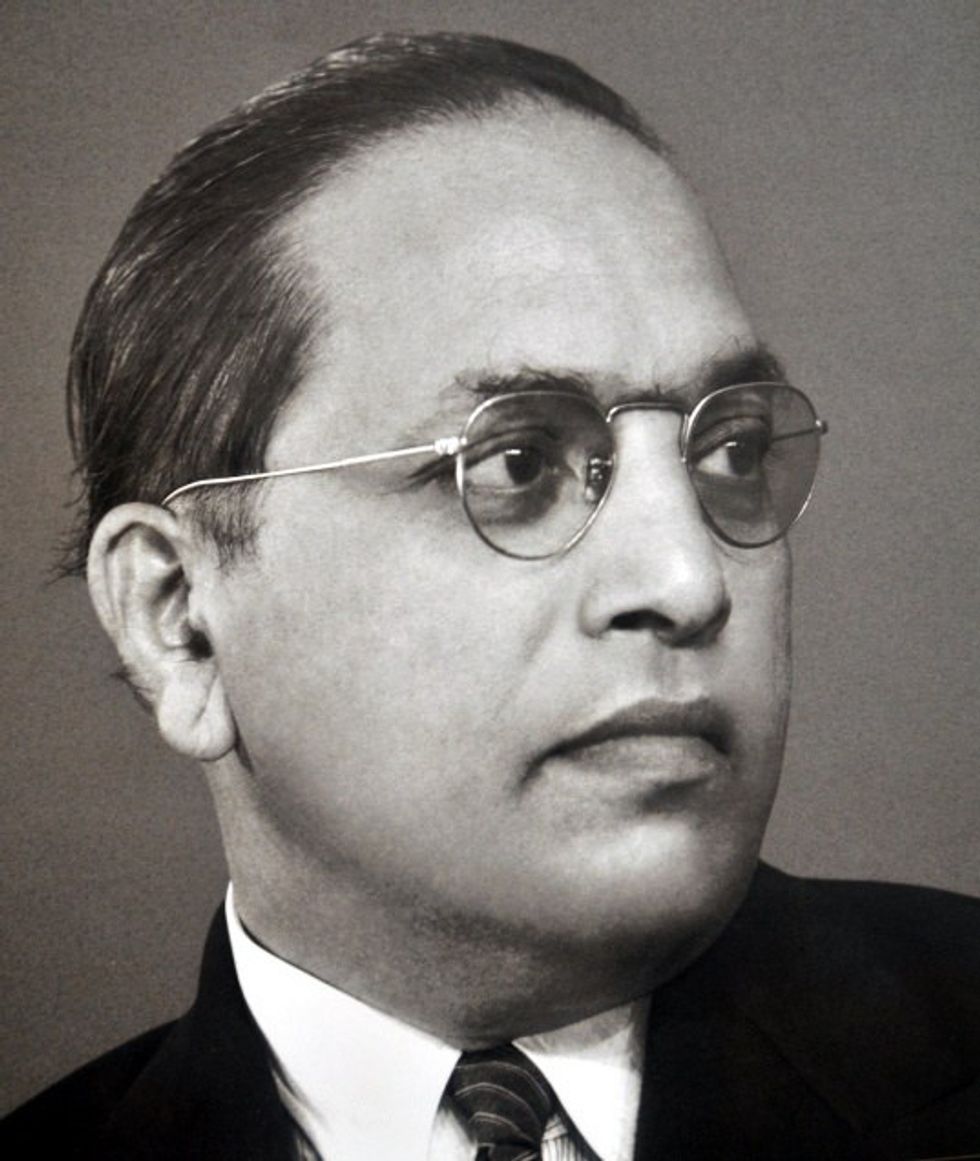
B. R. Ambedkar was India’s first law minister as an independent state and the architect of the Constitution of India. During his study at Columbia, he was influenced by the Negro struggle and claimed there to be a similarity between the Untouchables in India and the position of Negroes in America. He said that it was imperative that Untouchables cannot forget the fate of the Negroes in their fight for freedom.
8. Kamaladevi Chattopadhyay participation in the Harlem NAACP (1939)
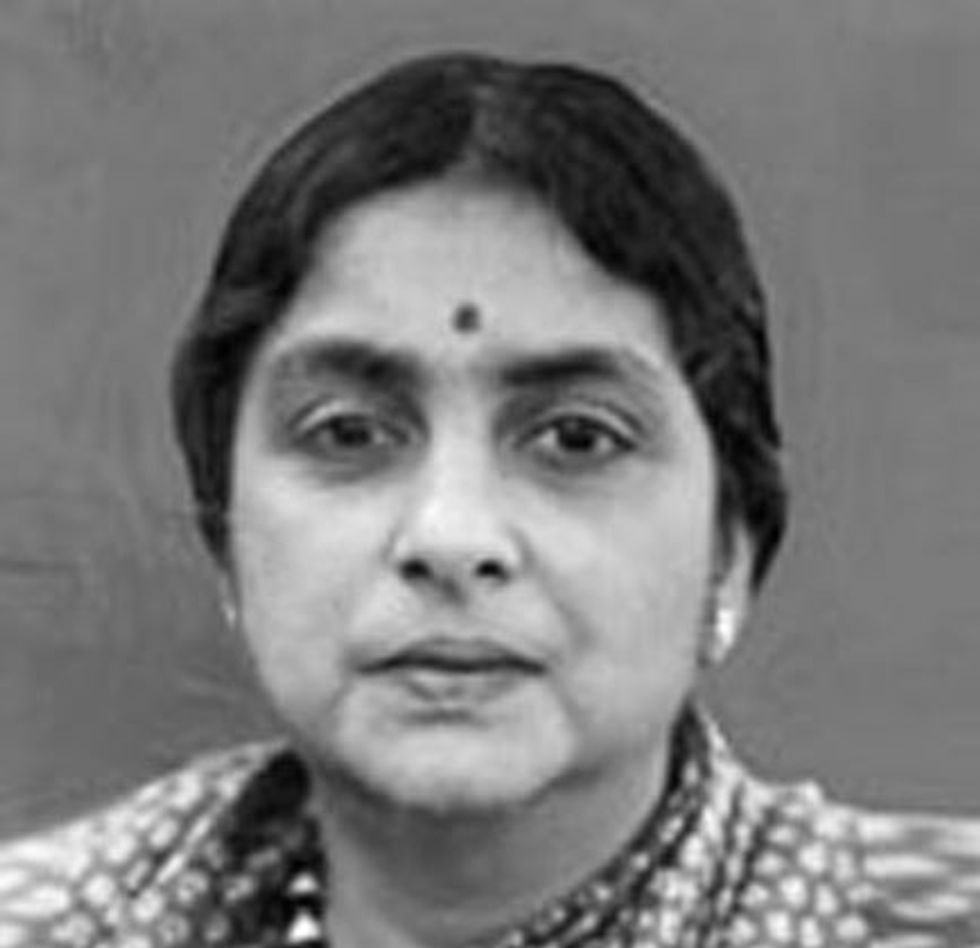
Kamaledvi Chattopadhyay was an Indian social reformer and freedom fighter who is remembered for her contribution to the Indian independence movement. She focused on opposing imperialism, racism and gender-based oppression working through the complexities of her own identity in the context of the white and black struggle in the US. She was mistaken for a black person while sitting in the “whites only” section of a segregated train and while she could have simply stated that she was a foreigner and not a black person, she instead decided to take a stance against racial injustice. She visited Harlem and explored similarities between Indian and Afro-American situations.