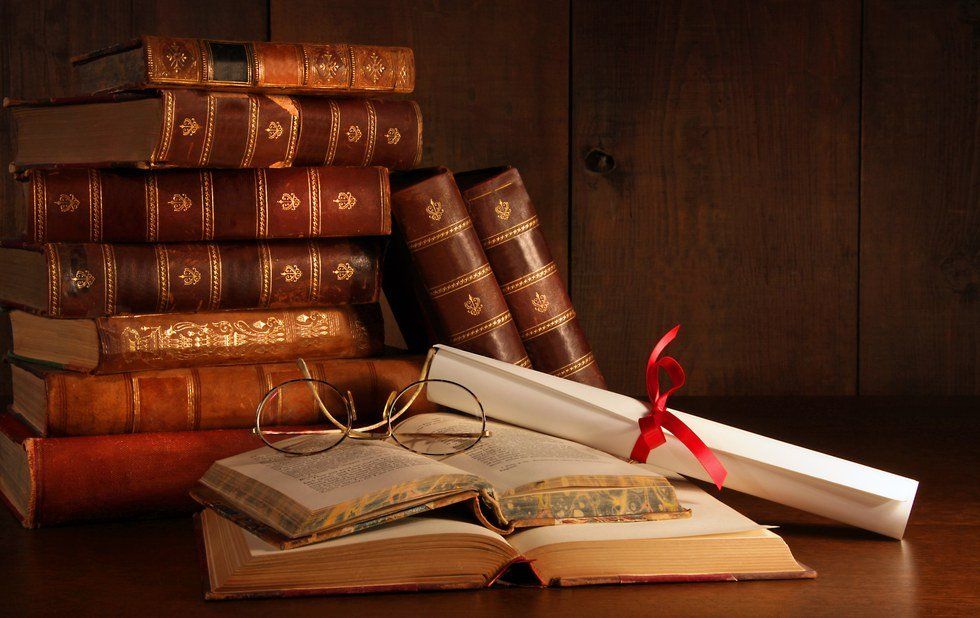
As a book lover, I've read hundreds of books throughout my life. I've even decided that reading books is what I want as a career (I'm hoping to go into publishing). These are the top eight books that I think every young adult should read.
1. "The Perks of Being a Wallflower" by Stephen Chbosky
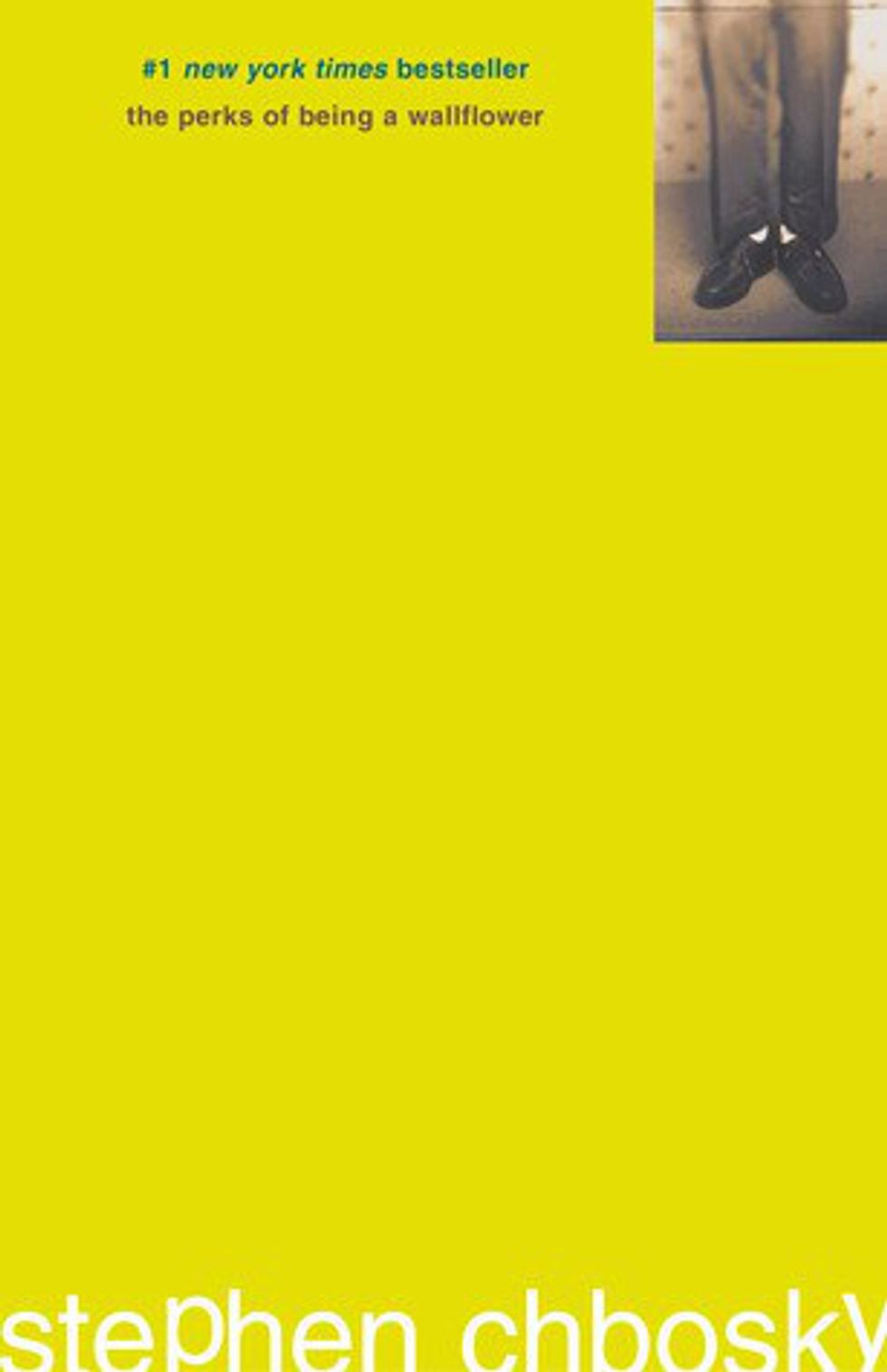
This was one of those books that I'd heard about for a long time before actually making the time to read it. I knew it was a teen cult classic, but I wasn't sure why. Then I finally sat down with it while on vacation and I honestly couldn't stop reading. What I loved about it is how it highlights the struggle of finding your sense of self and place in the world during high school without crossing the threshold into self-centeredness. It also easily introduces readers to different perspectives, making it next to impossible not to cry along with them. Mostly, it exposes the raw human experiences through an impressionable, sensitive high school freshman whose wit and pain are incredibly relatable.
2. "Alice in Wonderland" and "Through the Looking Glass" by Lewis Carroll
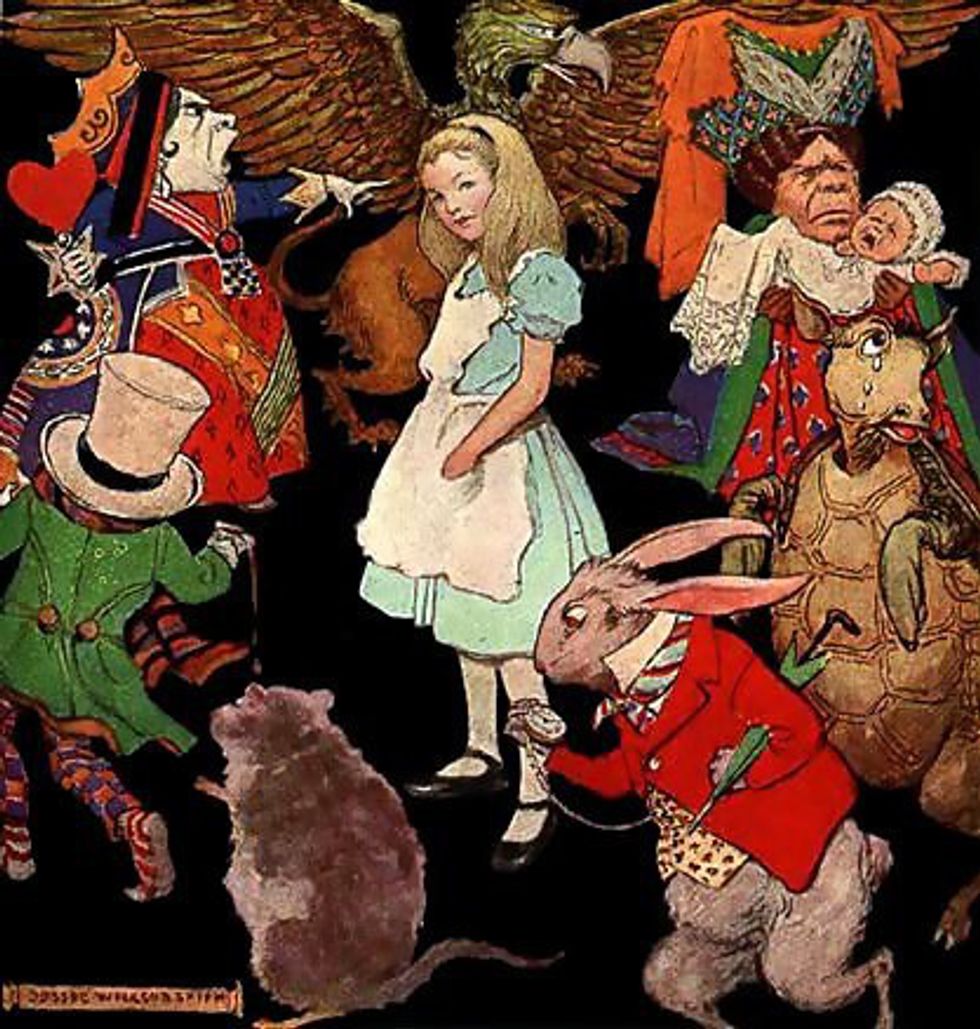
Because they're typically presented as one, and are quite short, I'm lumping these two novels together. Most people think that they don't need to read these books for a couple reasons: 1) You saw the Disney movie and/or 2) It's a children's story and you, of course, are no longer a child. Fortunately for you, neither of those a legitimate reasons not to read these wonderful stories. Instead, reading them will challenge you to understand our whole idea of perception and language, especially when seen through the eyes of a 7-year-old. Now I'm not telling you that these books aren't trippy, because they are. But by reading them, I invite you to a world where you have to decipher what's real, and what isn't.
3. "The Golden Compass" by Philip Pullman
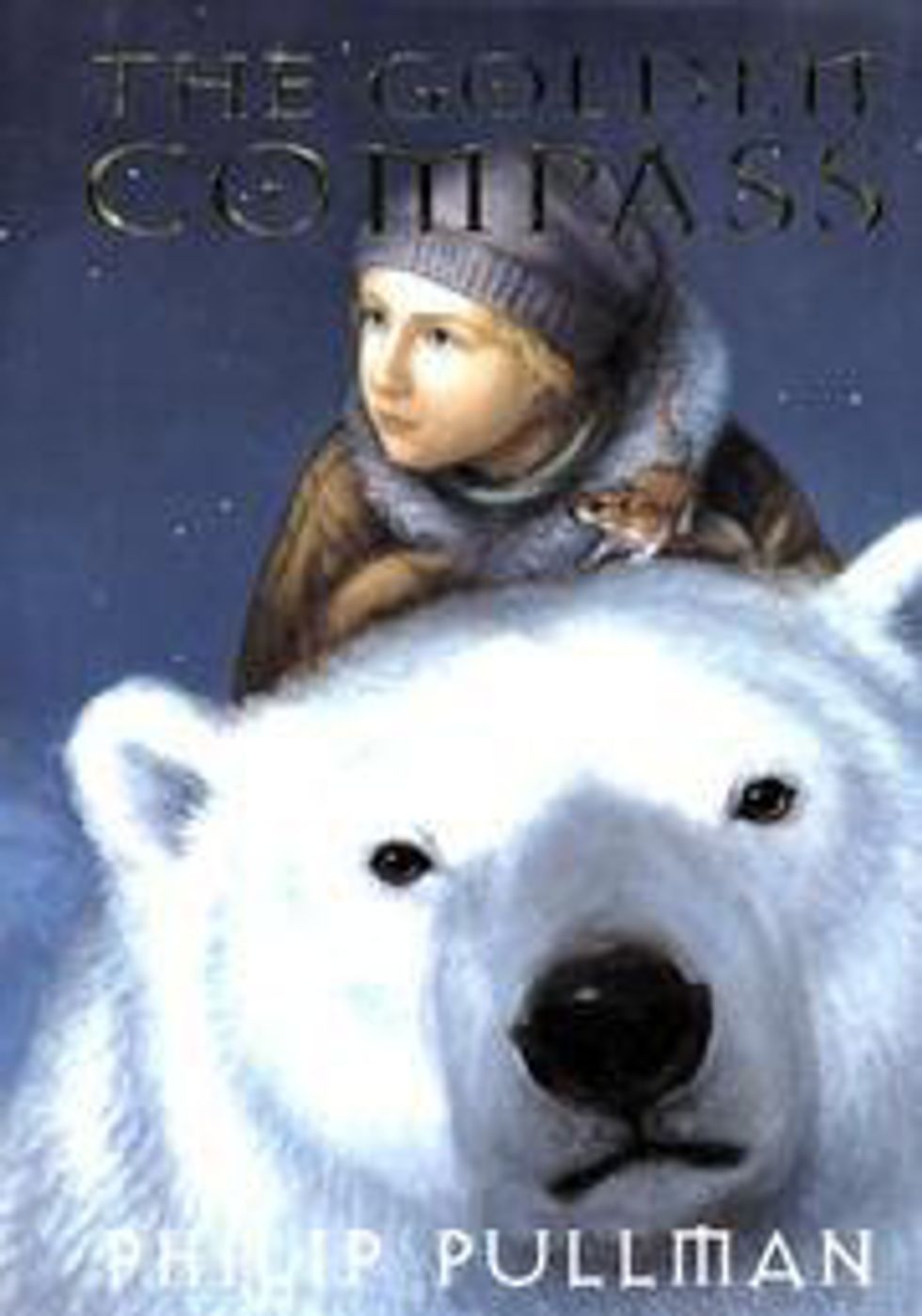
You should read this only so that you can read the next two books in the trilogy, The Subtle Knife and The Amber Spyglass. I read them all in my early teens and had never been so befuddled but entertained while reading. Pullman pushes the limits of realistic fantasy, from dæmon companions, which represent their counterpart's soul as an animal form, to the overthrowing of God by his angels. It truly exposes problems of realism, fiction, religion, and science.
4. "The Great Gatsby" by F. Scott Fitzgerald
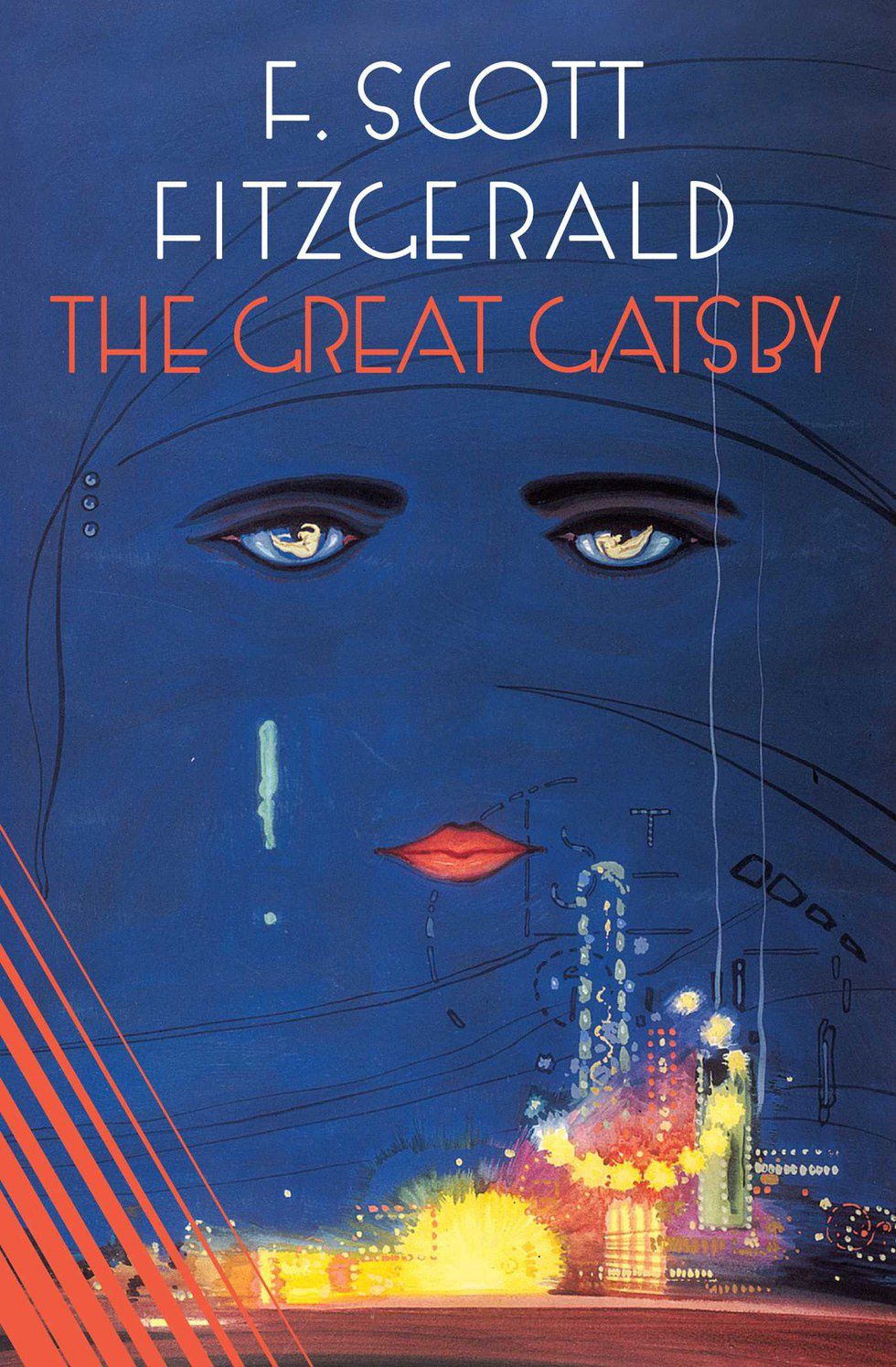
Set during the roaring 20's, just before the Great Depression, The Great Gatsby follows outsider Nick Carraway as he becomes entangled with New York's social elite. The novel goes well over the edge, showing the character's indulgences and lust for extravagance, documenting a lifestyle that almost all of us will never experience. Yet, the gripping story pulls you in and shows how easily it is to become corrupted. It is beautifully constructed and can be read in only a few hours, adding to its allure. And who wouldn't be impressed by the mysterious Jay Gatsby?
5. Ender's Game by Orson Scott Card
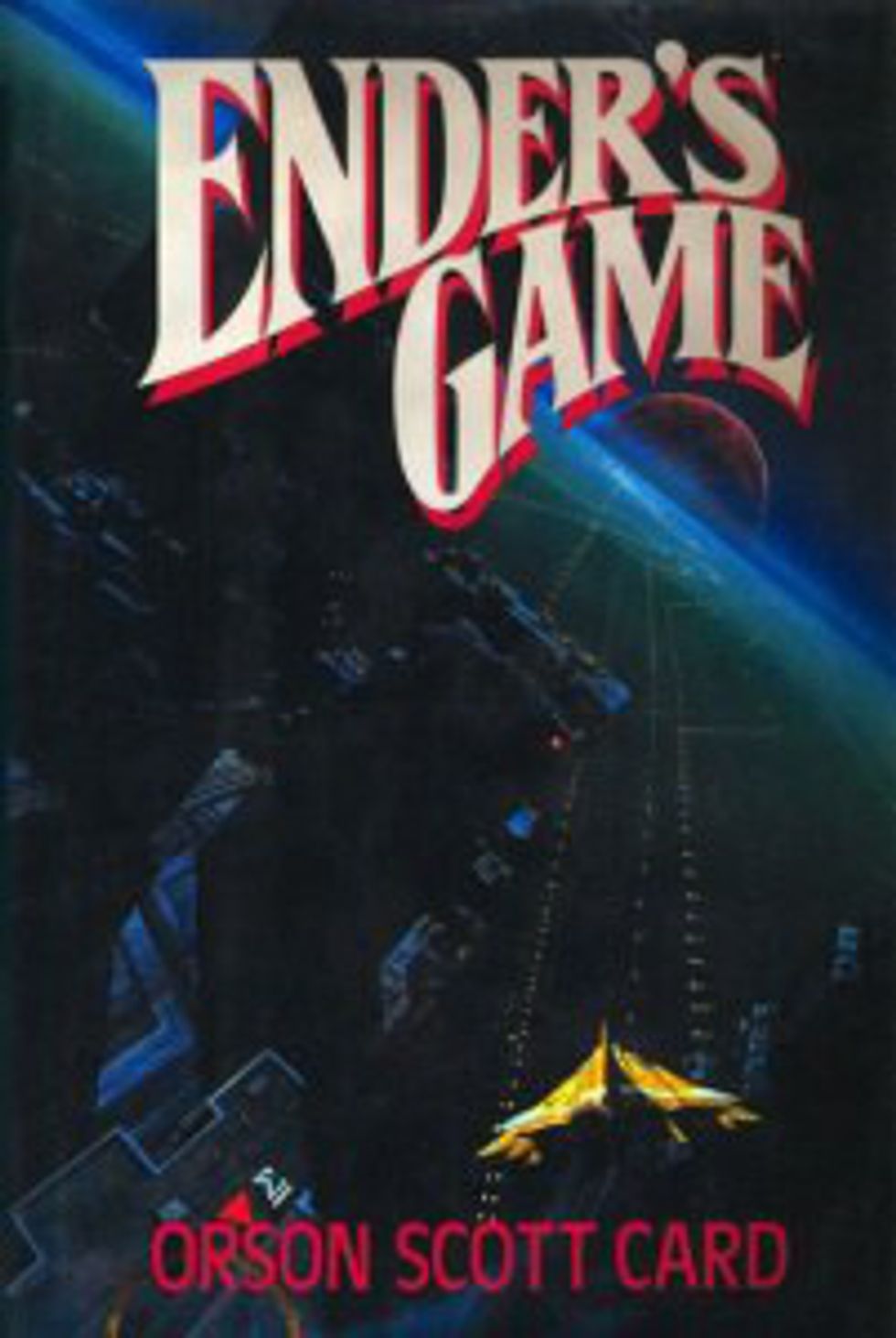
Card's book has continuously proven to be relatable to young readers everywhere, seeing as it was published in 1985. It shows how one child genius has the power to change the world despite the fact that both he, and the reader, have no idea why. It also displays how jealousy can taint any relationship, especially in the case of sibling rivalry, exposes problematic ideas of race, and how deceit can alter everything. With a twist ending, though, it restores the readers sense of hope.
6. Any of the "Harry Potter" books
I know that this is a super cliche suggestion, but I'm adding for the simple reason that it's dominant idea is that a sense of imagination is the most important characteristic that we possess. Think about it; imagination can change the world, just as magic does. It shapes how we perceive our surroundings, what we want to do with our lives, and basically, who we are.
7. "Fahrenheit 451" by Ray Bradbury
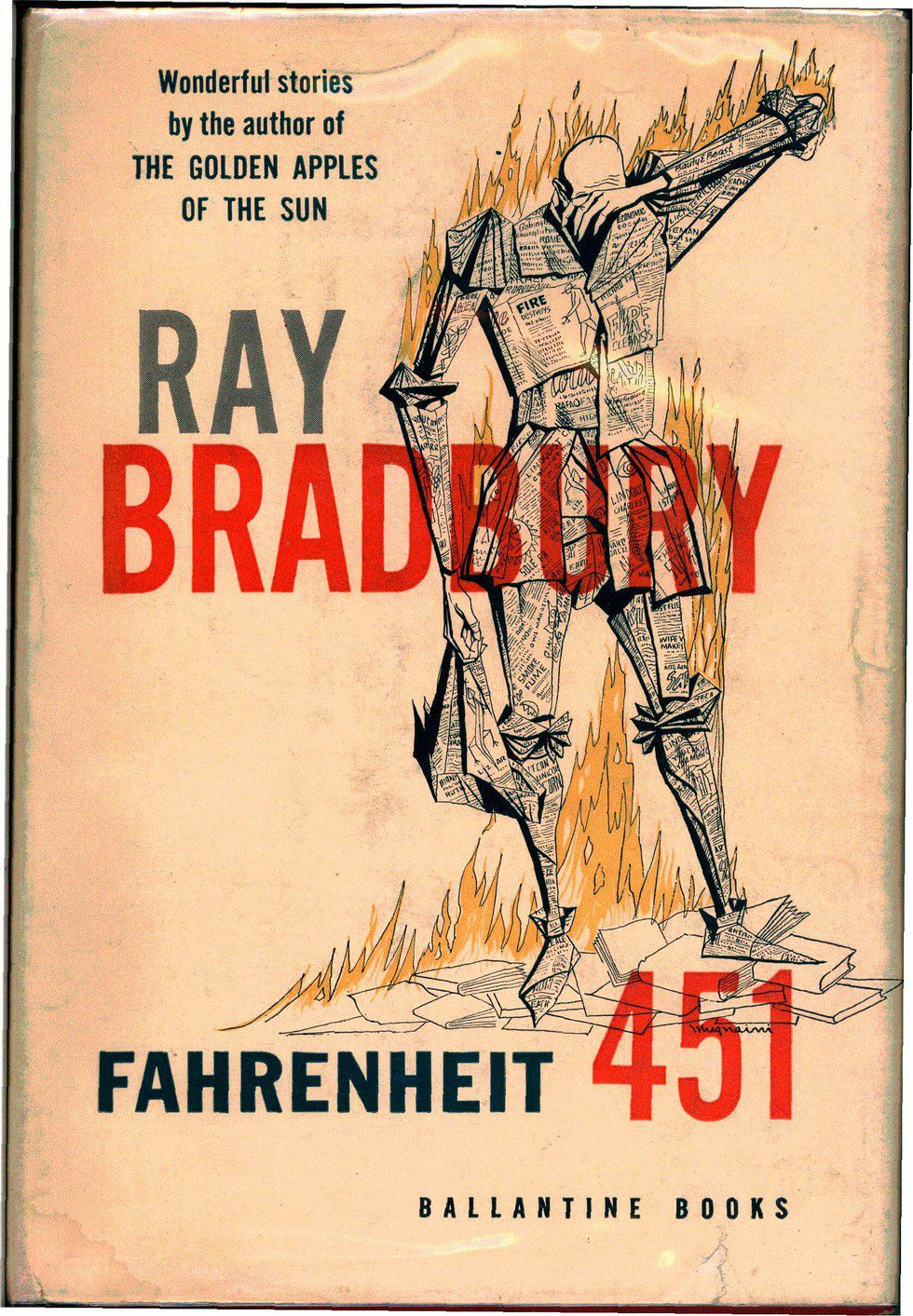
This futuristic, dystopian novel set the precedent for many books coming out today (seriously, think about how many dystopian novels are shoved down our throats). The difference here is that instead of war or famine being the pervading issue, it's the destruction of knowledge. The government burns books in the hopes of keeping the masses unintelligent and sheep-like. It allows us to see how powerful knowledge is and that we should cherish and learn from it.
8. "The Help" by Kathryn Stockett

This was probably one of my favorite spontaneous reads ever. I'd heard about it, but hadn't quite crossed over into non-Young Adult novels before. The Help really bridged that gap as well as engaging in a topic I wasn't very familiar with. Set just before the Civil Rights Movement, it documents the lives of white middle-class housewives and, more importantly, their black maids. It details the injustices the maids face on a daily basis, the fear that hovered over them, and progress they make in gaining their constitutionally deserved rights. The elegance and humor make it a page turner while the content exposes ideas that we should all be more familiar with if we aren't already. I adored this one.