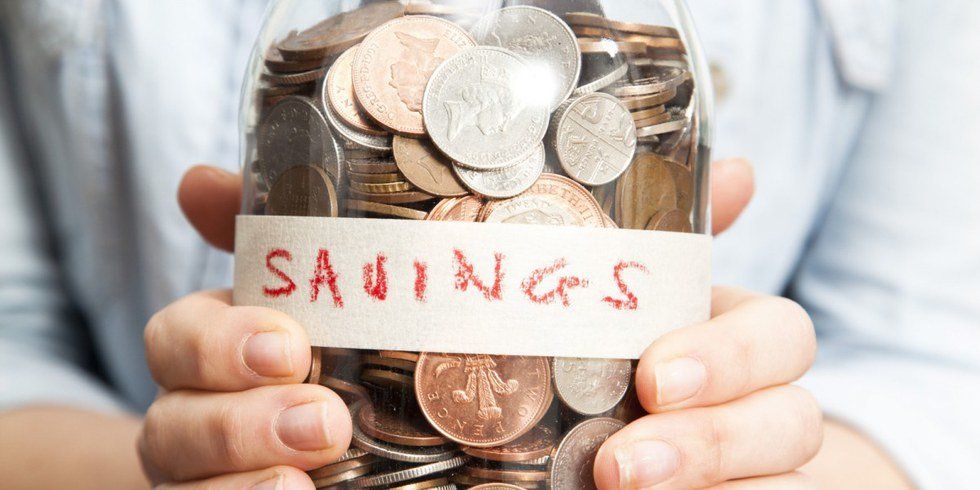
College is hard, bro. I get that. Yes, money is tight, but saving is not impossible. I've even caught myself saying that it's impossible to save in college, but it's not as hard as it sounds. If you put these few tips into practice, you should be well on your way to a healthy bank account.
1. Set Financial Goals
Often the reason it is so hard to get started in the field of saving money is because the whole thing seems so overwhelming altogether. Start by setting small goals and even a few long-term goals for yourself. Maybe a baby step for you is making it a habit to go grocery shopping with a set list of things you need, or maybe it's carpooling with others more, so you can save that gas money. Some long-term goals could be building an emergency fund, or saving for a house or to buy a better vehicle.
2. Set Up Direct Deposit
If you have a job (or your parents transfer monthly amounts to keep you afloat), set up your direct deposit to automatically transfer a certain amount in your savings before you even see that money hit your checking account. Also, don't touch that money. If you've saved it, you'd better leave it alone for now. It's off limits.
3. Try a "Money Diet"
Just like a personal trainer would have you keep a food journal for a week or so to track your eating habits, you should start a financial journal to see where your money is going each month and then decipher where you want to start making small cuts. If you notice that you buy five coffees every week, try taking it to four, or buying smaller sizes.
4. Try the "This or That" Technique
When I'm in the middle of deciding whether I should buy something, it helps for me to imagine what else I could be spending the money on at another time. If I pick up a cute shirt at Target that's most likely way overpriced, I think about what else I would spend that 20 bucks on. I could save it for a trip I want to go on in the summer, or maybe put it towards a backpack that I really need to make it through the semester.
5. Shop Around
One of the biggest financial traps that people fall into is brand loyalty. Don't worry if you've fallen into this trap, too -- it's how businesses market to you. Make sure when you are making purchases (from a coffee to a computer or car) that your justification for spending that money isn't just based on a name brand or a certain symbol that you can show off to others. Shopping around takes a lot of patience, unfortunately. When you really think about it, most good money habits aren't convenient.
6. Treat Yo' Self
The best way to enforce good habits is by rewarding yourself for your accomplishments. It's up to you how you want to celebrate, but I always love to have a night of relaxation for myself or buy myself a little something (that I make sure I can afford) that will make me happy. The myth about saving is that you can't ever buy yourself anything that you want. It's just not the case. When you start making positive small financial choices, they stack up, and you will be surprised how much flexibility you have to treat yo' self.
7. Give, Give, Give
Another myth about living a frugal life is that you don't have any room to give to others. I find that by being a generous person, you actually gain a greater understanding of the "bigger picture" and thus become more intentional with your money. Not to mention that giving doesn't always mean money. Try volunteering your skills and time instead of just writing a check. It's much more personally rewarding anyways.
Saving is a noble and important cause. After all, the most important skill to learn as a young person is how to put off what you want in the moment for what you need in the future. And that, my friend, is the most noble cause.
Extra Resources (here are a few blogs/apps/podcasts that I have personally found helpful in my own financial journey)
The Financial Diet
Their motto: "We talk about money because we know you don't want to."
App: Mint
App: Digit
Digit is a money-saving app that will automatically withdraw small amounts from your checking account and save them for you. You can choose to save less or more, and can also check the balance of your accounts.