Let's face it, millennials have a pretty bad rep these days. They are often called lazy, apathetic, or too technologically dependent, but the fact of the matter is they are the next generation of innovators, inventors, and risk takers. If you need inspiration or proof, here are seven millennials who are making a huge difference in our world (feel free to take notes).
1. Matt Severson
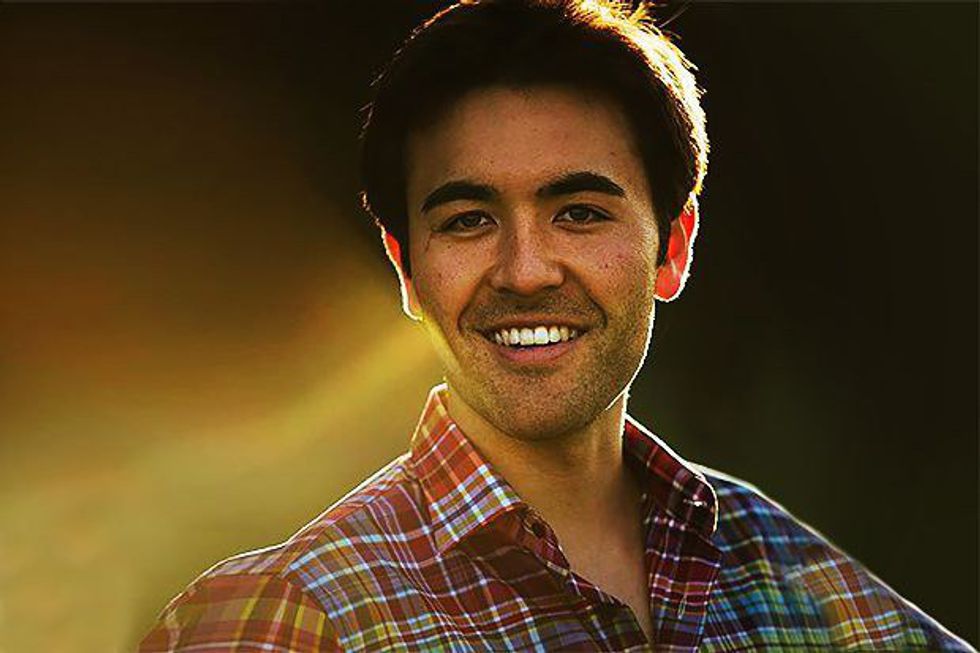
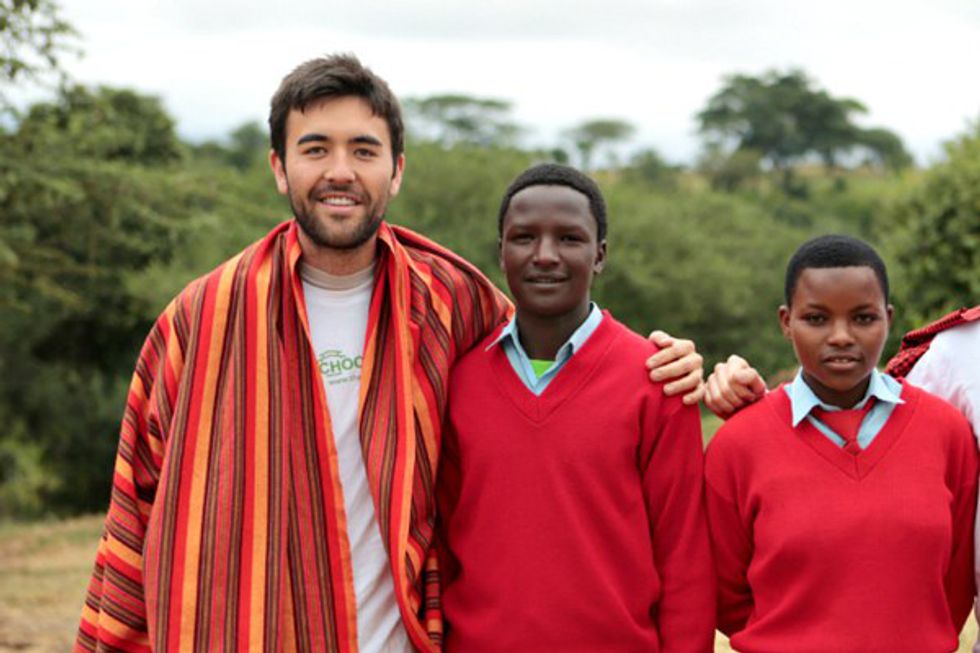
Matt Severson started The School Fund after a taking a trip to Tanzania the summer after graduating high school. While he was in Tanzania, Severson realized education -- something he and many other United States Americans often take for granted -- is a highly coveted but rarely obtained goal in many developing countries. The few hundred dollars of tuition costs seemed like so little to him but was often significantly more money than the people in these developing countries could afford.
The School Fund allows anyone to donate money to these young people who are striving to gain their education. The program allows a sponsor to chose the student he or she would like to support, determine the amount they would like to donate, and even contact the student electronically to learn more about them or stay in contact about what they are learning in school. The School Fund has provided educational scholarships to over 1,000 students in developing countries, all because of one teen's belief that education should be for everyone.
2. Robbie Bergquist and 3. Brittany Bergquist
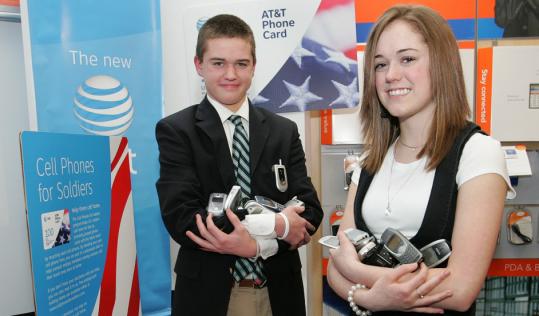
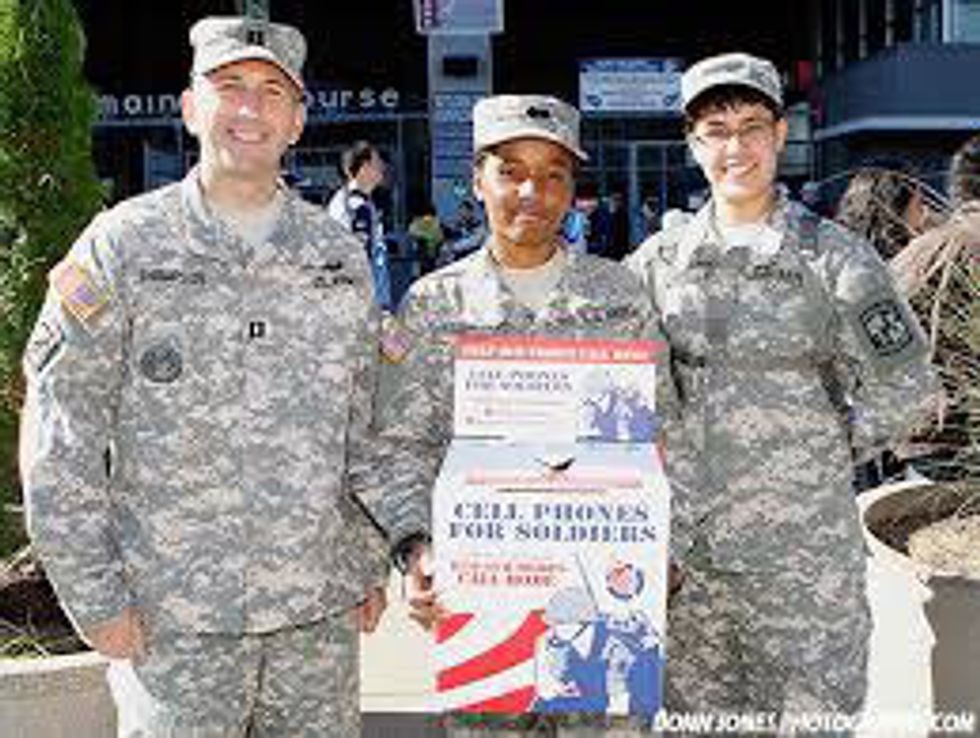
These two siblings founded Cell Phones For Soldiers when they were just 12 and 13 years old. The program provides active-duty military members with free communication services, including cell phones and calling minutes, all cost-free. Cell Phones For Soldiers collects old cell phones to donate to military members so they can contact their loved ones. In 2012, the program expanded and now contains a facet called Helping Heroes Home, which provides emergency funding to veterans and their families, which since its founding has assisted nearly 3,000 veterans.
4. Kerstin Forsberg
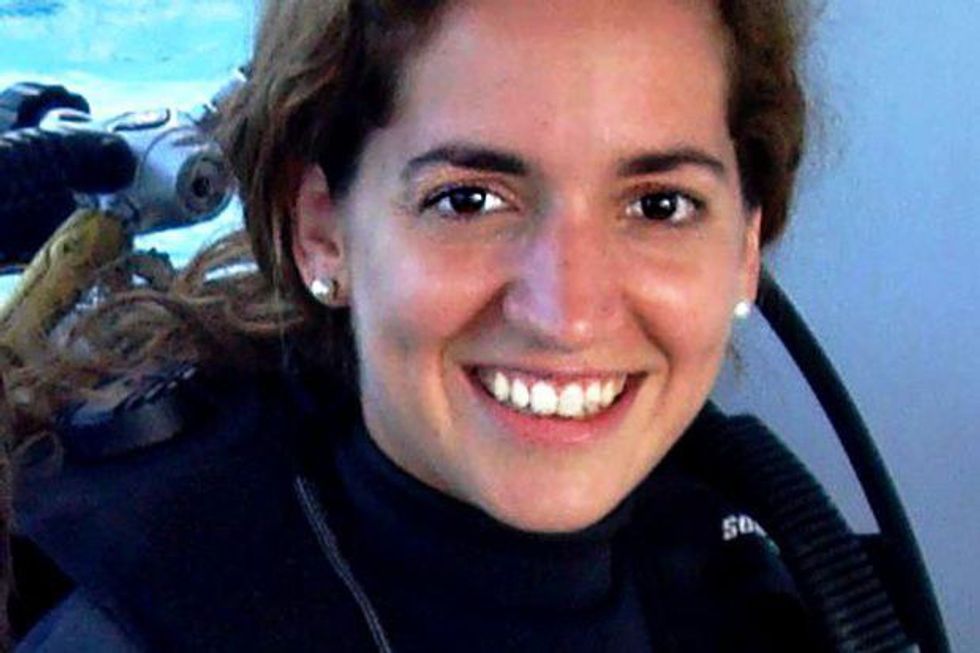
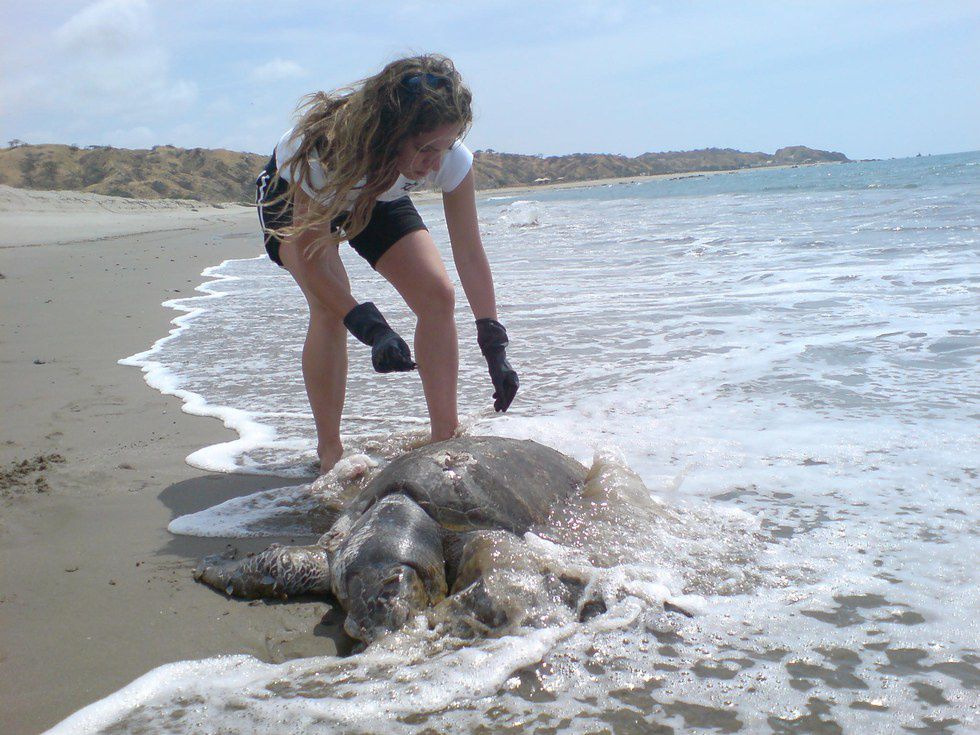
Kerstin Forsberg is a Co-Founder and the Director of Planet Oceano, a non-profit organization that works on conservation and restoration of coastal and marine waters. Planet Oceano is both a research-based organization as well as an education-based organization, as they seek to provide awareness to the public about the importance of conservation and restoration by teaching about marine life and the challenges they face. Forsberg co-founded this organization when she was in her early 20's and has been gathering research on and educating the public about marine conservation and restoration ever since.
5. Zachary Quinn and 6. Brian Keller
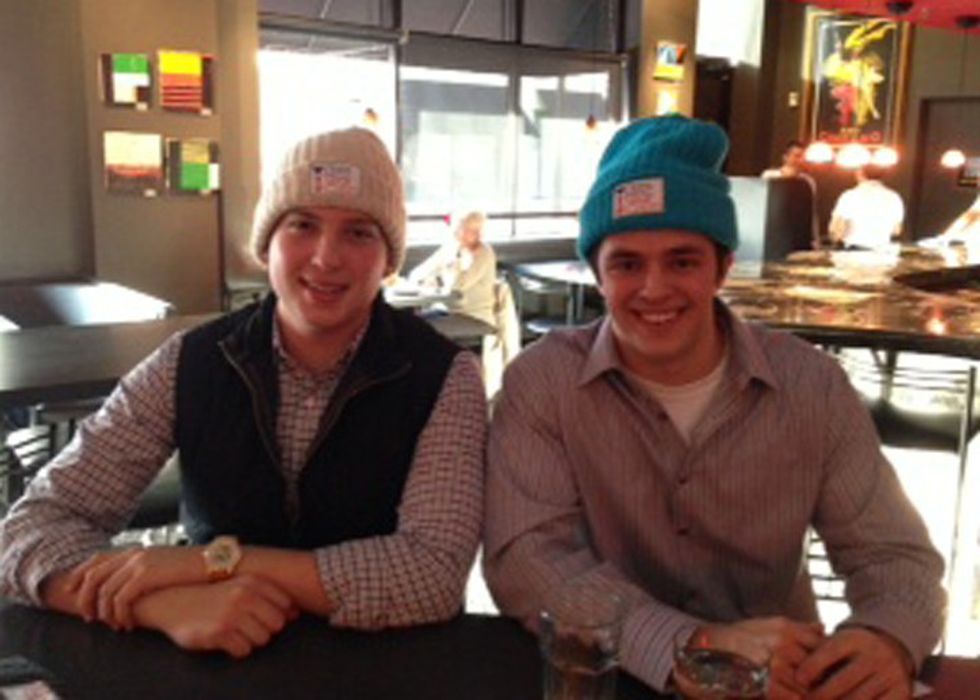
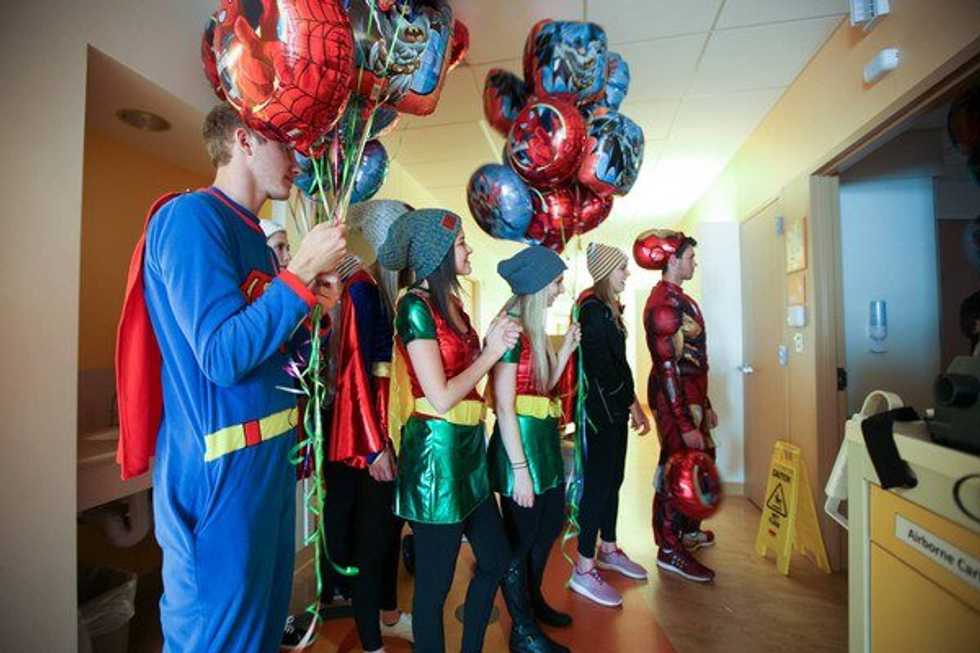
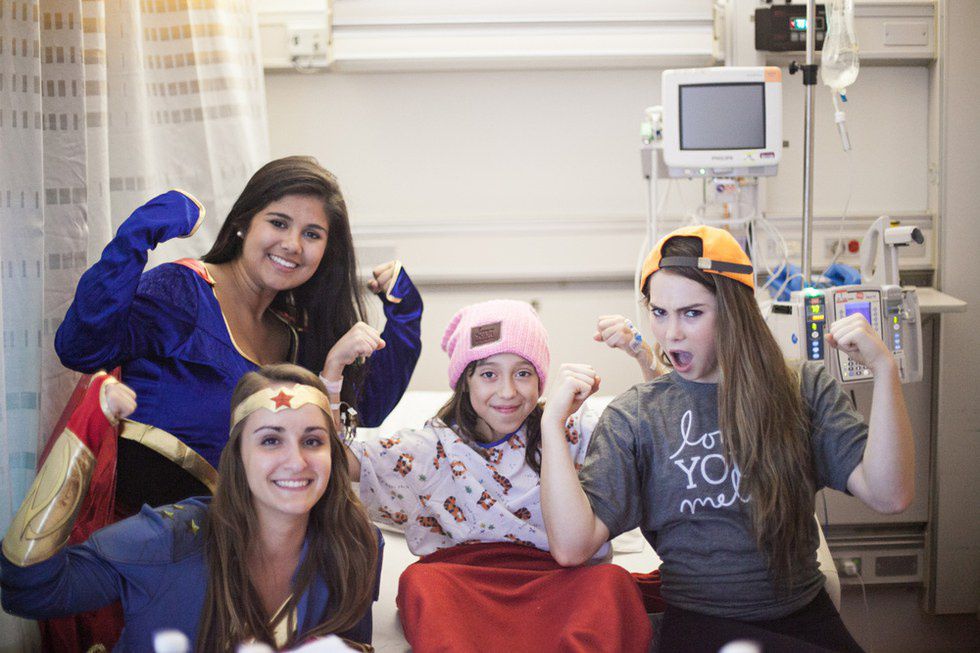
Zachary Quinn (left) and Brian Keller (right) started Love Your Melon in St. Paul, Minnesota, and it is spreading like wildfire. They sell hats, and for every hat they sell, another hat is donated to a child with cancer. The program is run by college students (called "ambassadors") who bring the hats to children with cancer, often dressed as superheroes. With the brand's rapid success, Love Your Melon has also started donating 50 percent of its profits to the Pinky Swear Foundation, which provides financial and emotional support to children with cancer and their families, and CureSearch, which accelerates the search for cures and treatment of childhood cancer. Quinn and Keller started this brand in their sophomore year of college, proving you don't need a degree to start making a huge impact on your society.
7. Jessica Posner
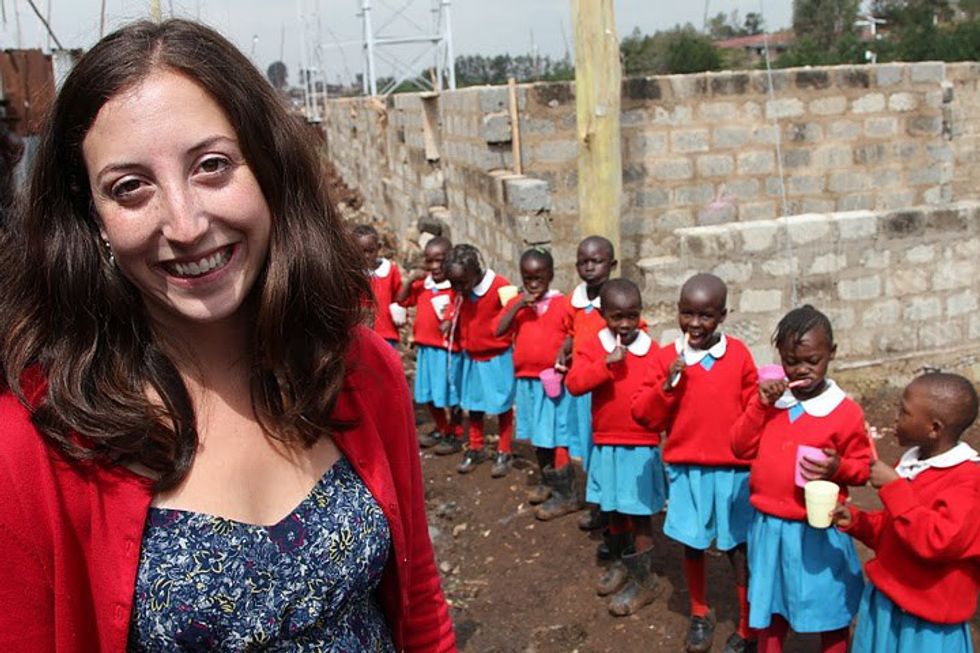
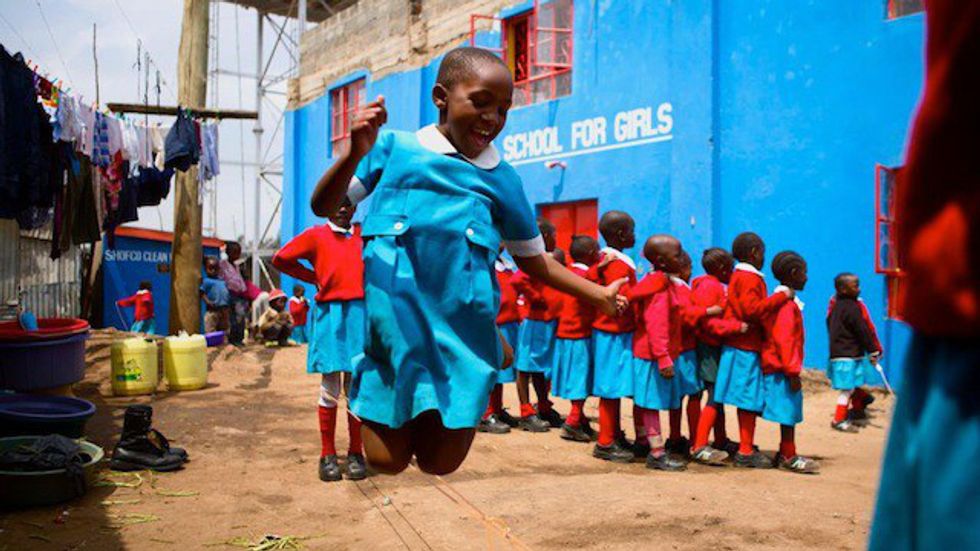
Shining Hope For Communities is an organization focused on the education and health of urban girls. Jessica Posner met the founder and CEO of SHOFCO while she was studying abroad during college in Kibera, and the two finished their educations together at Wesleyan University before starting Shining Hope For Communities. So far, the organization has founded two schools in Kenya that are tuition-free and provide healthcare for the girls who are enrolled. SHOFCO also has initiatives which provide clean water for the people of these urban communities, as well as other resources people need to improve their communities.