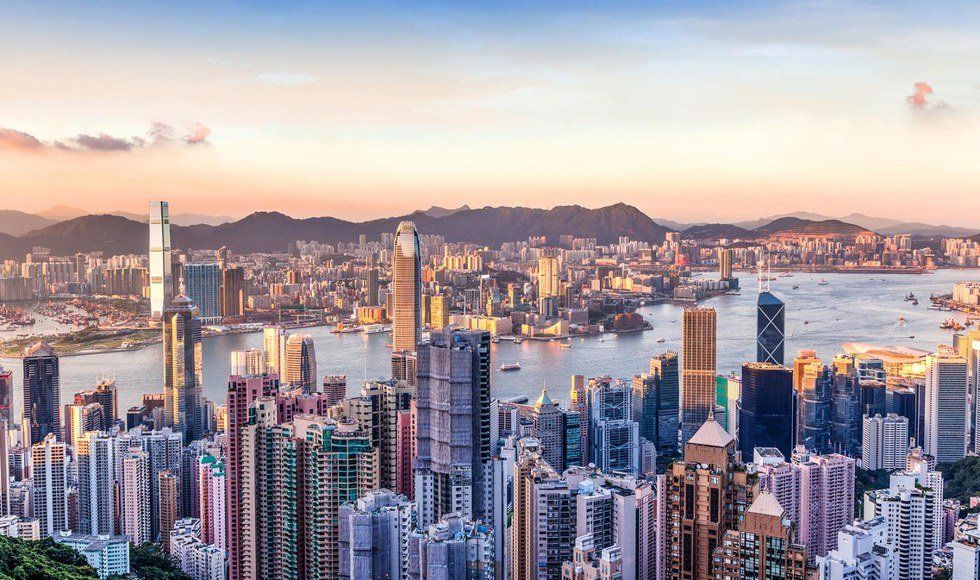
Hong Kong is infamously known for being the world’s densest populated city; with large shopping malls, curious consumer behavior, soaring real estate prices, and minuscule living quarters adding to its extended list of unique attributes. Hong Kong has developed into a mecca for corporate headquarters and zany, chic fashion trends that aren’t commonly seen in the Western hemisphere. The most charming characteristic of this beast of a city is its blend of historic Chinese tradition with its innovative modernism seen in almost every aspect of their city life—home life, education, and business, just to name a few. With this, I not only had to adjust to the obvious language barriers— and the relocation from rural, western New York living to bustling city life, which was a bit of a shock to the system—I also had to adapt to new etiquette that is unique to Hong Kong. Lucky for you, I have the seven most peculiar, common practices of Hong Kongers that Westerners should know before traveling.
1. You will not be “blessed” by random strangers.
This is a pretty easy norm to adjust to while in Hong Kong. It is not common practice to say “bless you” or some other variation of that phrase to someone who sneezes.
2. Highly mobile phone-centric culture.
Playing app games on your mobile phone is a common way to pass time on the MTR, and walking while texting is way too common in this city. Foreigners are warned that there is always someone with their cell phone ready to capture the moment you do something stupid. I’m pretty sure “Dumb Western tourist in Hong Kong” is its own subsection on Youtube— don’t quote me.
3. You will dine with strangers, more often than not.

As previously mentioned, Hong Kong is tight for space. The common small, local restaurant in Hong Kong can measure up to less than 300 square feet. It is widely practiced to be seated at a table that’s already occupied by another patron—quite possibly a couple on a date, like my first dining out experience in Hong Kong.
4. Phone, keys, wallet... tissues!
There is a reason why you will see every local pull out a pack of Kleenex from their bag, purse, and pocket. It is not usual practice for restaurants to offer napkins with your meals, or worse yet, even toilet paper in the restrooms. The more local and inexpensive the food joint, the less likely they will have tissue on hand. I learned this the hard way. It's going to be a difficult, long day if you accidentally leave your tissues at home...
5. A piping hot glass of water. Shaken, not stirred.

Hong Kong has a hot and humid tropical climate, and from the mid-spring to late summer, it is impossible not to sweat if you aren’t used to these armpit-like weather conditions. One of the most bizarre and disappointing practices was sitting down as a hot and sweaty foreigner to a freshly poured cup of boiling water to go with my meal. I found that the minority of local restaurants served glasses of ice water.
6. Remember, sterilize and sanitize before every meal!
And no, I am not talking about washing your hands. This meal preparation goes way back in Chinese culture; it's the practice of rinsing your own bowl, cup, and chopsticks with hot tea or boiling water, which is commonly done at the dining table by you, the patron. This knowledge separates the tourists from the western locals. This is an important tradition when sitting down for some traditional Chinese Dim Sum.
7. You call this customer service?

Coming from someone who works in the food service industry as a waitress, it was a little off-putting at first, dining out and not having my own personal slave to check in on me every five minutes, fetch me this and that, and ask me how my meal is tasting at the most inconvenient moment. It's a very common practice to have to hail for your waiter every time you order or need something on your table in Hong Kong. And I found I actually preferred this method more.
Hong Kong was by far the most eccentric and culturally diverse place I have had the privilege of traveling to. I hope this list gives you the "one up" when you explore this dense, unique, and loving city that I called home for five months.