We fantasize about dinosaurs and species that once roamed the earth millions of years ago before the last mass extinction occurred; now species we see today could be the next plastic toy kids play pretend with. Scientists have reported research stating that we are in the process of a sixth mass extinction and humans are the driving force behind it.
Studies published have found that the Earth is losing mammal species up to 20 to 100 times more than the average amount, including 477 vertebrate species since 1900. Based on previous years, we should have only lost nine species in that time period.
“We are now moving into another one of these events that could easily, easily ruin the lives of everybody on the planet,” Stanford biologist Paul Ehrlich concluded.
Many like to argue that the loss of species and evolution is a part of biodiversity and occurs naturally. While this is true, the reason behind natural species loss is through the normal conditions in which species live. The conditions of the environments in which these species are living are not natural. Toxins are seeping into fresh water sources. Animals are being hunted for their tusks rather than for survival purposes. Forests and green pastures are being overrun with human urbanization and consumerism waste, all of which are being driven by humans.
Humans have lost touch with nature by using an overabundance of resources faster than the Earth can reproduce them, causing an imbalance between supply and demand.The loss of species and biodiversity on the planet not only hurts the Earth as a whole, but could mean humans are in just as much danger of becoming extinct.
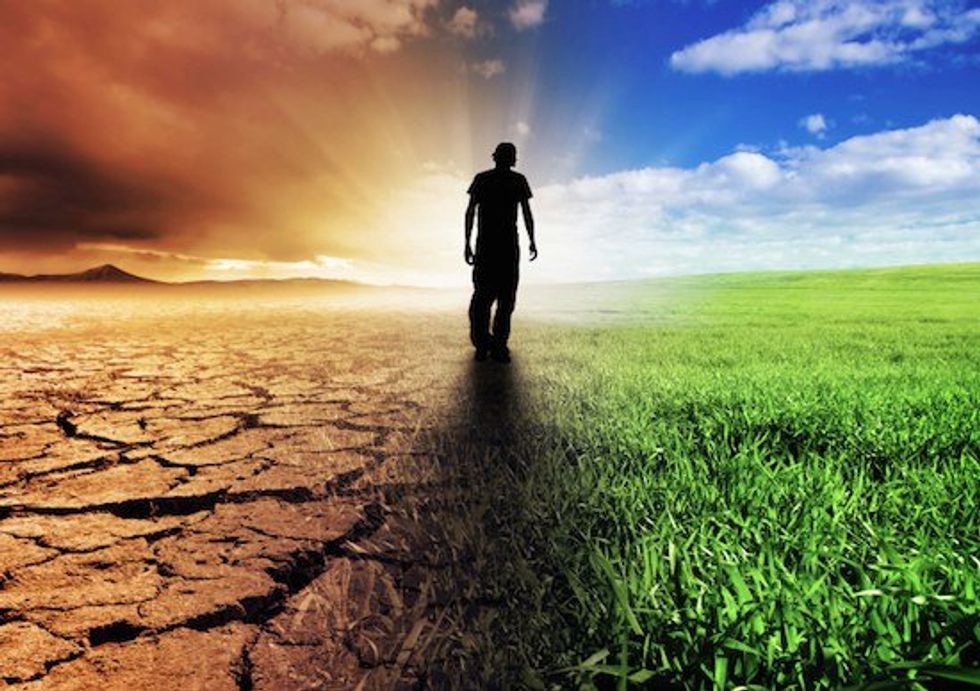
Previous mass extinctions have taken thousands to millions of years to permanently change the biodiversity of Earth, but scientists believe at the rate humans are altering the planet, this mass extinction could occur within the next 250 years. While that may not seem important to us now, since we'll all be long gone by then, the effects of these events are felt today. Think about it. On the news we hear daily about the latest super tornado or flash flood. We are seeing more animals in captivity than in the actual wild. More children have asthma than ever before, and resources are scarce. Most may consider these as global climate change as a whole, but these events affect every being on the planet. It makes it difficult to find food, fresh water, and shelter—the basic necessities organisms need for survival.

We are preached to that global climate change needs to be taken into consideration in our daily lives and we need to make changes now. But now it is no longer just a few scientists telling us that the Earth is heating up, in all seriousness it is the entire human race as a whole that is in jeopardy. Some day our children and grandchildren may only hear about elephants, tigers, and bears through story books rather than being able to see them in the wild or even in a zoo.
Making changes in your everyday lifestyle is crucial, as well as understanding the impacts humans have made on the planet. There is more we can do besides recycling, like not purchasing that plastic water bottle in the first place and instead using a reusable one. Carpooling, being an informed consumer on where products come from (think ivory trade or fair trade goods), and being sustainable in life is what will save not only wild species, but the human race as a whole.
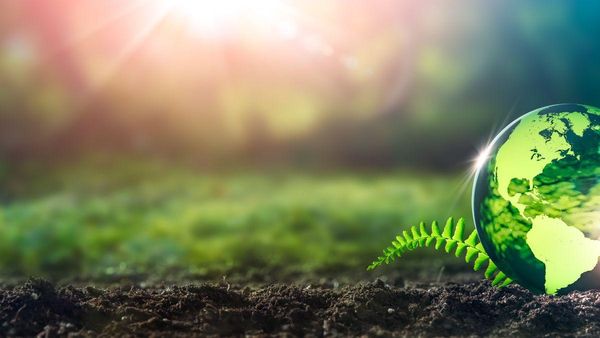
Humans rave on "Saving the Planet," but I have a new mindset. The planet will always be here and will survive. Now it's time to save the human race and the biodiversity within it.