
The 3/21 of every year--the date stands for the third copy of the twenty-first chromosome-- is International Down Syndrome Awareness Day. So, what should you know about the individuals affected by the most common chromosomal disorder on this day? From my own personal experience and from the help of people who love someone with Down syndrome, here is some basic information and what you should know for today that will help you better understand, relate to, and communicate with people with Trisomy 21:
1. You should see them as people first, and then consider their disability.
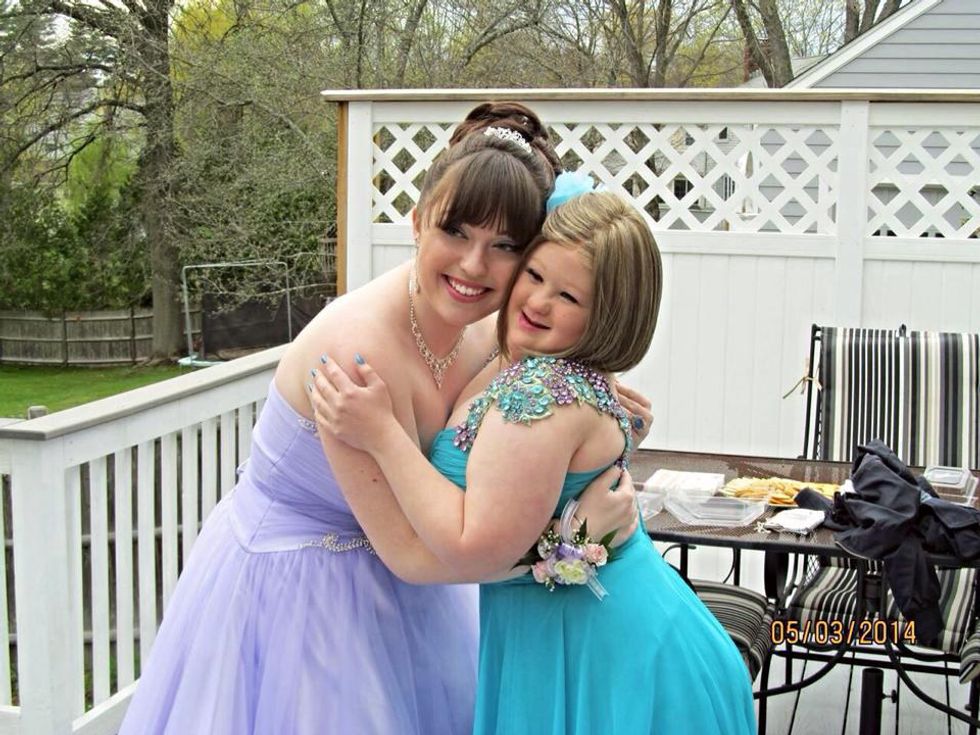
People with Down syndrome want nothing more than to be accepted like a regular, functioning, and contributing member of society like their typical peers are. It's as easy as treating them like you would treat anyone else--that's all that they truly want. Before anything else, they are a person, and they see themselves as we see ourselves--as a human; and you should too. An extra chromosome doesn't necessarily make them any different from you or me, and a lot of people with Down syndrome can be very high functioning.
And yes, they can tell when you're treating them differently.
2. You should refer to them as people WITH Down syndrome.
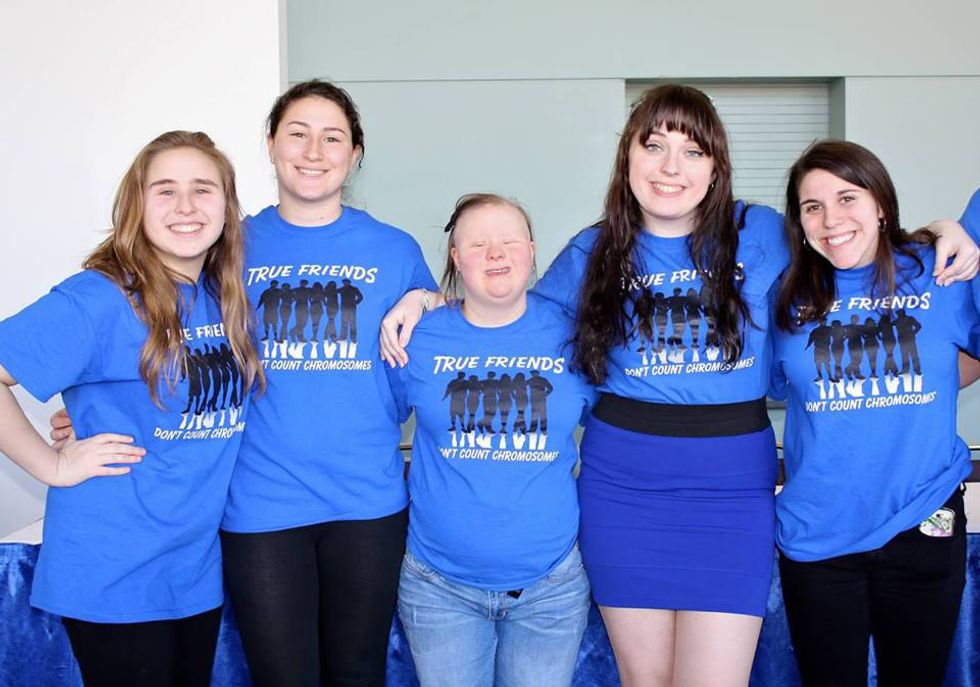
More often then not, people with Down syndrome are referred to as "Down syndrome people." "Oh my gosh, look how cute that Downs baby is!" Please, do not refer to them as that, as it insinuates that Down syndrome defines them and that is what they are--end of story. Referring to them as people with Down syndrome instead lets them be conceived as all individual people, who happen to have Down syndrome.
3. No, they don't all look the same.
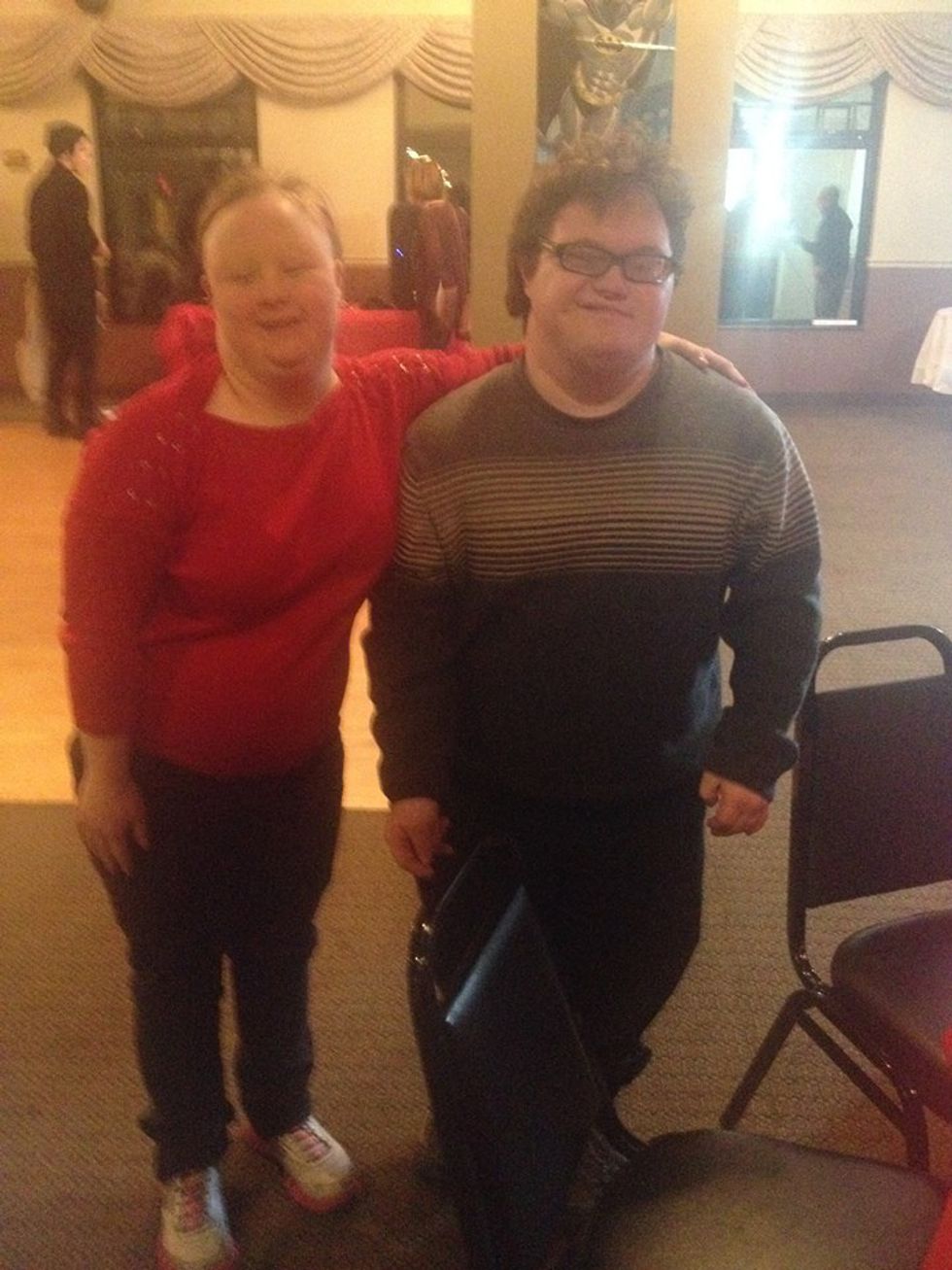
A lot of times people think that people with Down syndrome all look like each other, and this is not true. People with Down syndrome have similar physical qualities, such as a shorter stature, flat bridge of the nose, an enlarged tongue, almond shaped/downward facing eyes, small ears, and a wider gap between the big toe and the rest of their toes. But this by no means makes them all the same, as they all come from different families with different dominant genes and traits. If you put two people with Down syndrome next to each other, you will see for yourself they look more like their immediate family than each other.
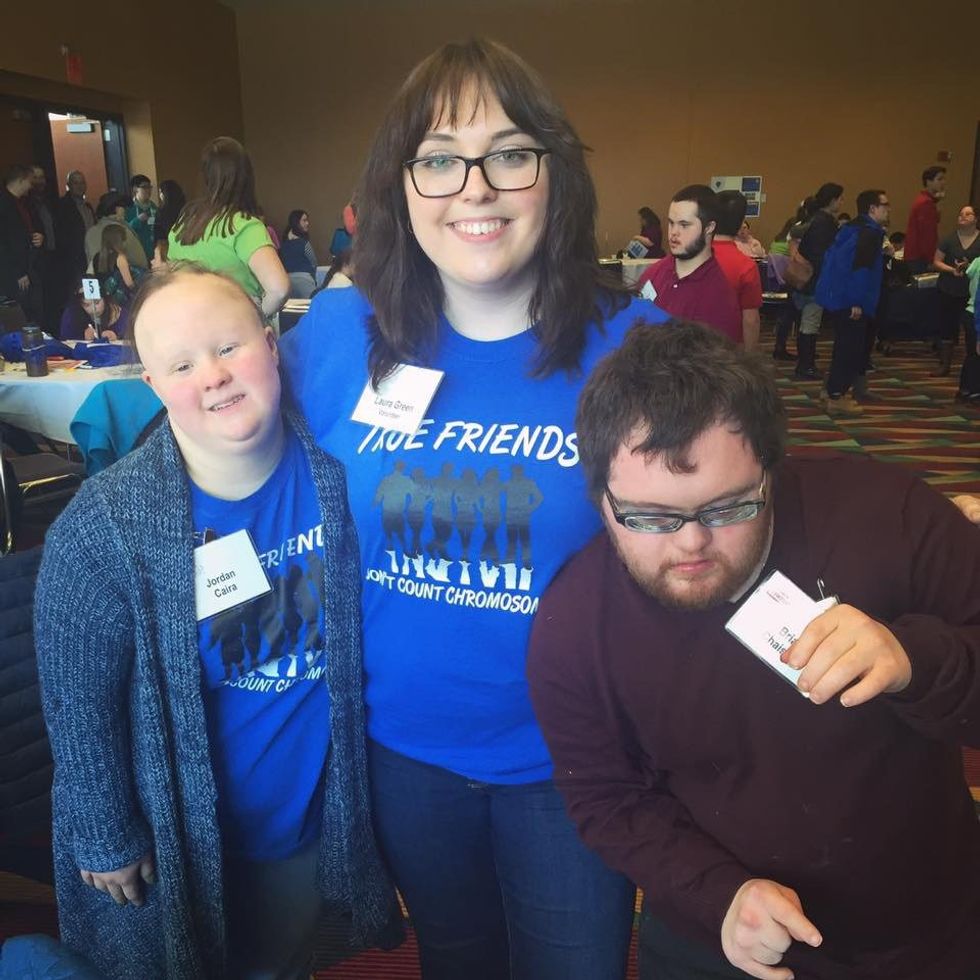
4. They love meeting new people and making friends.
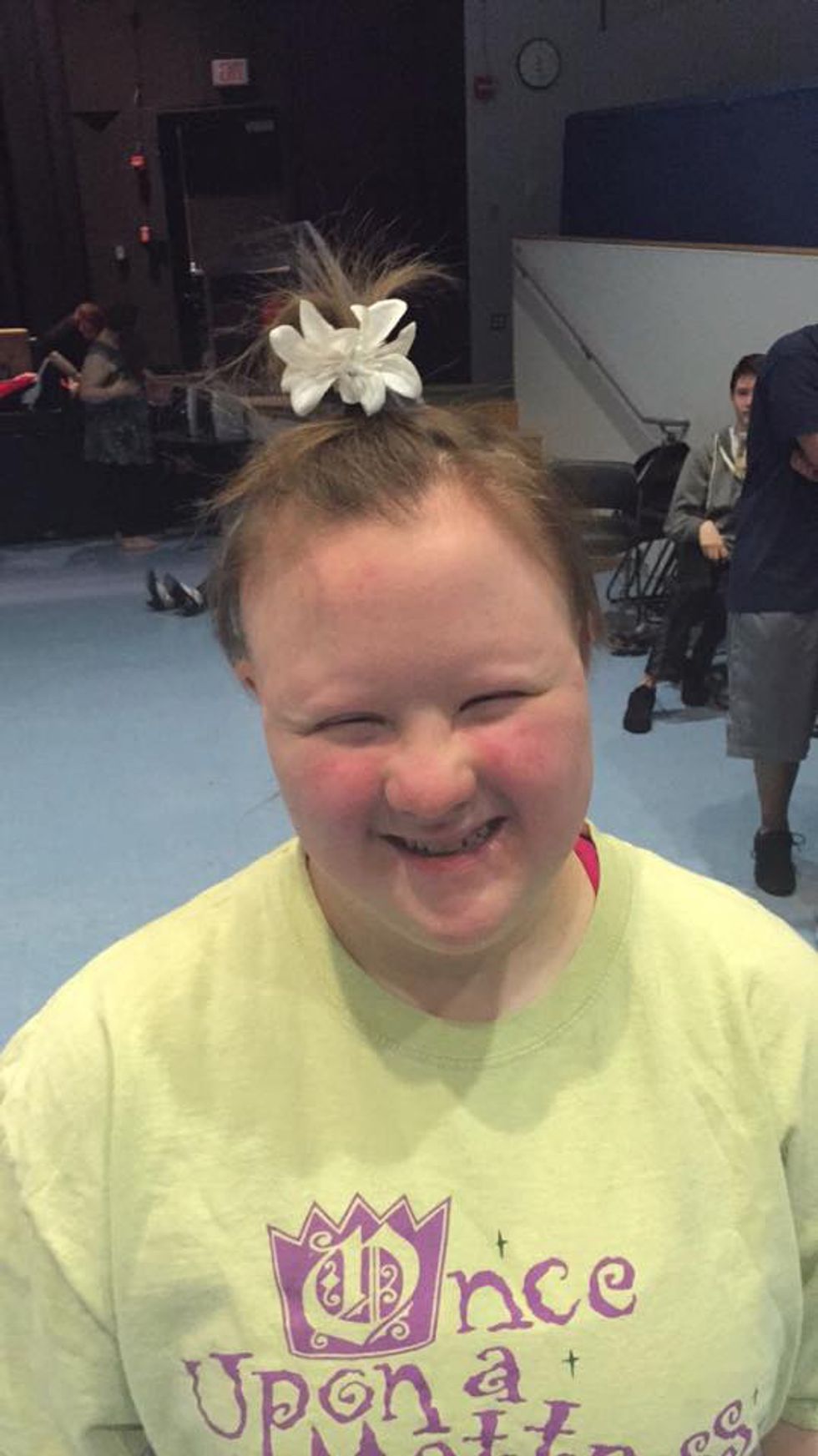
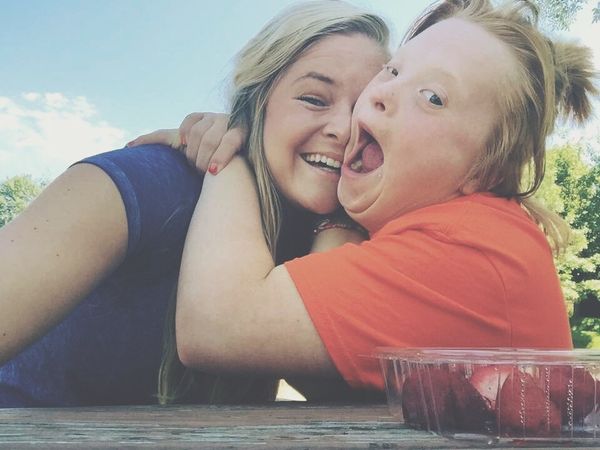
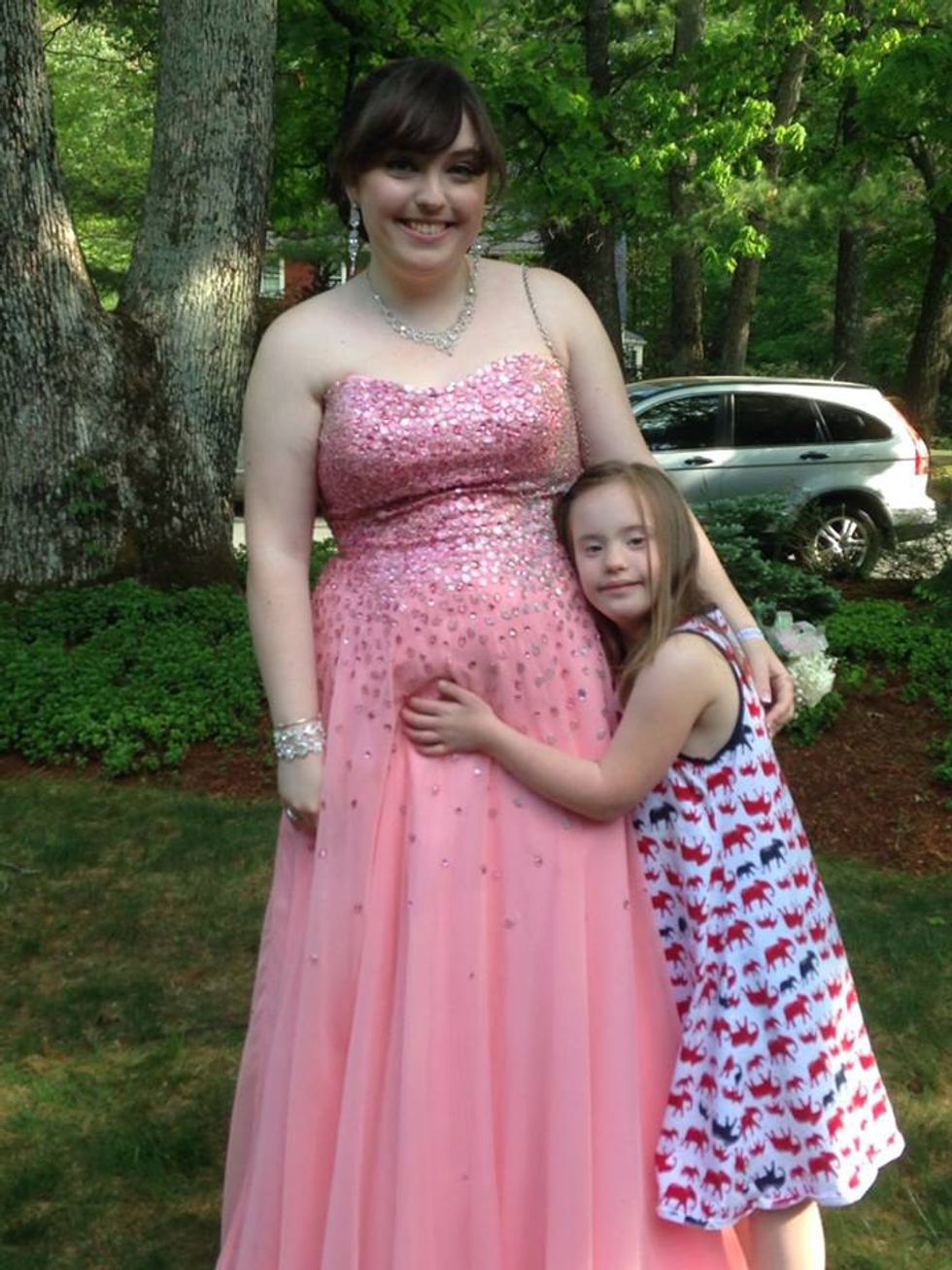
If you see someone with Down syndrome, do not be afraid to go up and say hello. The truth is, not many people do, and they want nothing more than to get to know someone and be friends. They are some of the friendliest people you will ever meet. They value their friends like they're gold, and will treat you as such. They are also exceptionally hilarious, and you definitely will experience some belly laughs. A certain amount of humor and silliness is required, as they all have a goofball side to them. Also prepare yourself for a decent amount of hugs.
5. Do NOT be afraid to be honest.
This is something that is learned with time, but is nonetheless important. Down syndrome is a disability, and sometimes people will do things that aren't appropriate for where you are or they will misbehave. You absolutely have the right to tell them to stop something they're doing, and you have the right to make it clear. People with Down syndrome do not get subtle hints and social queues and you need to be direct. This includes making your tone as crystal clear as possible so they can understand how you feel, and may include finding several different ways of wording and explaining it so they understand and it resonates with them. It is not fun, and definitely not easy, but it's a part of who they are.
6. It's okay to ask questions.
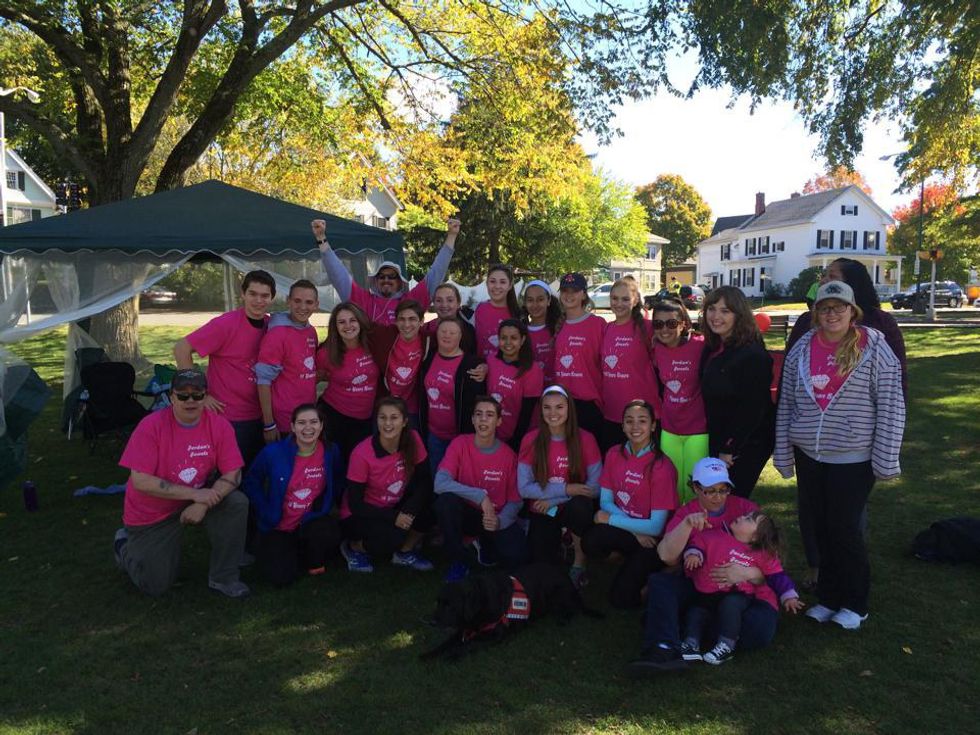
Sometimes, people with Down syndrome will do something that you're curious about, or you may find yourself in a situation where you are unsure of what to do. This is completely normal, and the friends and family of people with Down syndrome love being asked questions and encouraging you coming forward with any questions you may have. Because if you don't ask, how can you know? If you stay quiet, it may lead you into thinking something incorrect and that only increases the stigma around people with Down syndrome. Getting the information you need helps you be a better friend, and makes you able to answer questions in the future to other people that may have them.
See? It's really nothing to be afraid of. It's just an extra chromosome.