


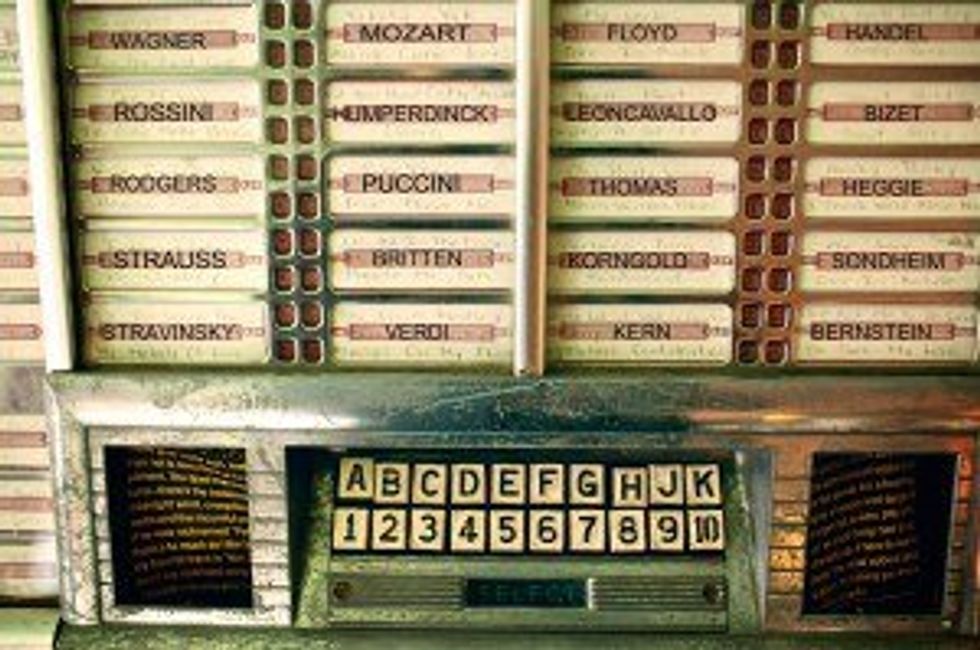
Growing up, we were taught that genes played a major role in the ultimate design of ourselves as individuals. We spent weeks learning the Punnet square in science class and attributed all of our traits to our parents because “it’s in our genes.” What we failed to recognize however, is how our genes work in the environments we live in. Now, bring attention to a new phenomenon of the twentieth century known as dynamic development. This idea that genes are merely an influence as to who we are as a person completely takes the nature/nurture concept and throws it away. Dynamic development can be related to a jukebox of sorts. Wait for it. I know it sounds weird, but this metaphor will really resonate. Educational researcher, Barbara Shenk says, “dynamic development is why human biology is a jukebox with many potential tunes—not specific built-in instructions for a certain kind of life, but built-in capacity for a variety of possible lives. No one is genetically doomed to mediocrity”. I think this is an interesting concept to think about especially as a future educator.
The big idea of dynamic development will definitely effect the way we teach in classrooms and in some ways, already has. A key educational concept that goes hand in hand with dynamic development is the idea of differentiation. Accommodating to students by varying ways of teaching the material is a good way to hone in on different students who might be at a different dynamic level than their peers. Also, we cannot blame a student’s performance solely based on their genes and inversely, their environment. Genes and environment go hand in hand, so teachers need to find a way to incorporate this knowledge into the classrooms we teach in. A student may have inherently stronger reading skills because his parents were both avid readers. That, we can argue might be something hereditary but it would be foolish to think that the child’s environment didn’t include books and reading more than another kid’s. Dynamic development will change the way we interact with students and hopefully will allow us teachers to bring the most potential out of each and every student.
I know what you're thinking -- a jukebox is a pretty far-fetched metaphor for a child's brain. But think of it as an entire catalog of thoughts and ideas (songs) that are just waiting to be played. Students, like jukeboxes, have a plethora of abilities that are just waiting to be brought to life. If one song doesn't work, there are plenty more to try!

















