
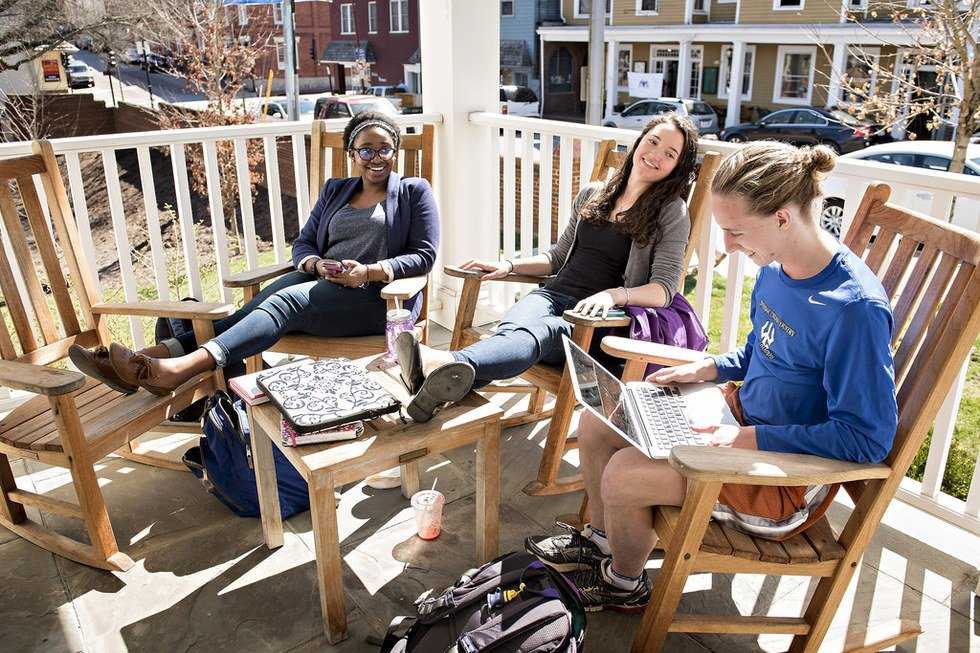
Final exam season is in the air. Coffee will soon be free flowing in co-op, the first floor of the library will be crowded continually day in and out, and comfort food becomes a necessity. As I am entering my fourth finals week, here is a list of recommendations I have for surviving.
1. Take exams before essays.
Generally speaking, this is the way to go. The time one spends studying for a final exam is less than working on an essay. In addition, you usually want time to research, edit, and revise your work. You should not be usually spending more than seven hours for an exam. At Washington and Lee, where you can choose your exam week schedule, this allows for increased flexibility. Of course, if you attend a school where that is not the case, I would recommend creating an outline or having a list of sources prepared the week prior should you need to complete an essay before an exam.
2. Get at least six hours of sleep.
This is so important. While there is a small percent of the population who can maintain their finals week on fewer hours of sleep, this is not something you should skip on. Your brain needs the energy in order to get through your exams and power through your essays. I remember I decide to take two five-hour energies in one day during my first finals week. It was not a good idea. I could feel my heartbeat for several hours afterwards. And it did not help me on my geology exam.
3. Work in small chucks.
Spending day and night in the library studying for one exam or working on one paper usually is not the most helpful way of getting work done. I would recommend spending no more than five to seven hours on one assignment. Your brain usually stops being helpful after that.
4. Remember to take small breaks.
Taking the time to grab a snack or take a walk is essential for finals week. Oftentimes, I have found that returning to my work after a brief break allows me to see or write about a concept more effectively than I would have previously. It also helps reduce the overall stress you may be feeling. Just do not let a fifteen minute walk around the Colonnade turn into an hour long avoidance session.
5. Work effectively.
By this time, you usually have a good idea of how you work. You know which times of day you are most energetic and the highest noise level you can take in order to be productive. Use this to your benefit. At the end of the day, you should use the strategies that you have developed during your time in high school and college that were beneficial and allowed you to get the job done without burning out.