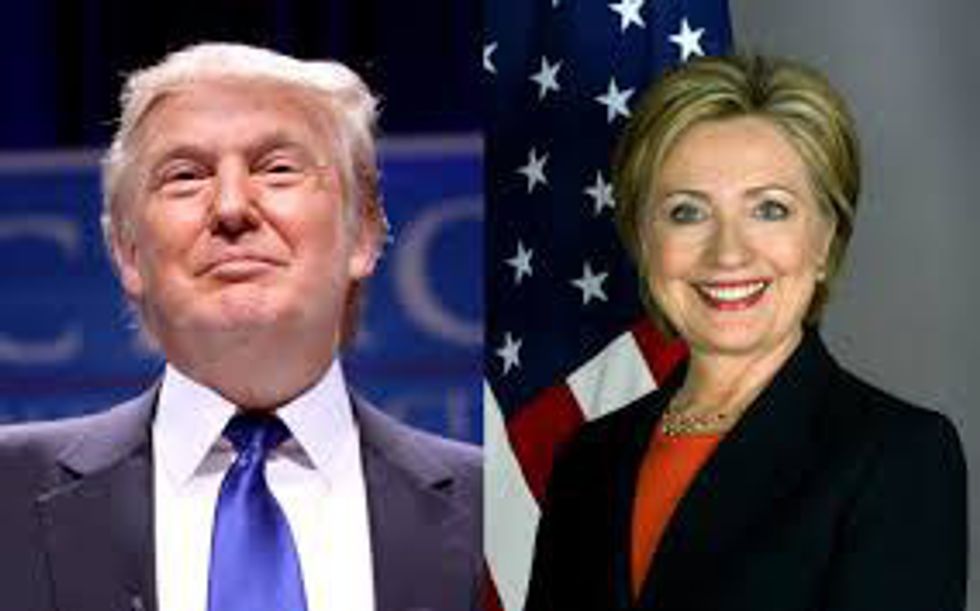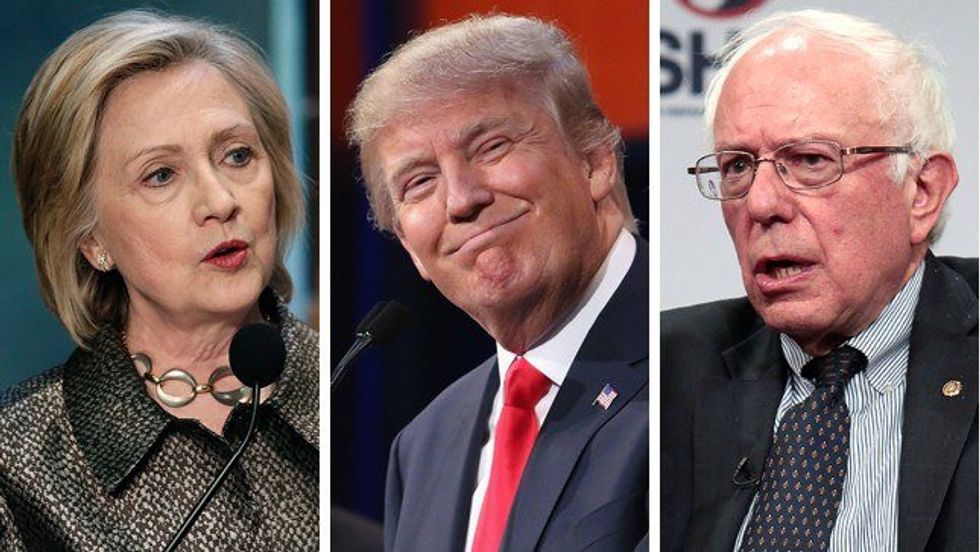
Since we are in the middle of an election, things just seem to keep getting weirder. But no matter how chaotic this election cycle turns out to be, it is probably not half as bad as some of these elections. There have been 57 elections since the founding of the United States, and each one has brought more great stories to the table, the 2016 election is just another example.
1. 1800: Jefferson vs. Adams
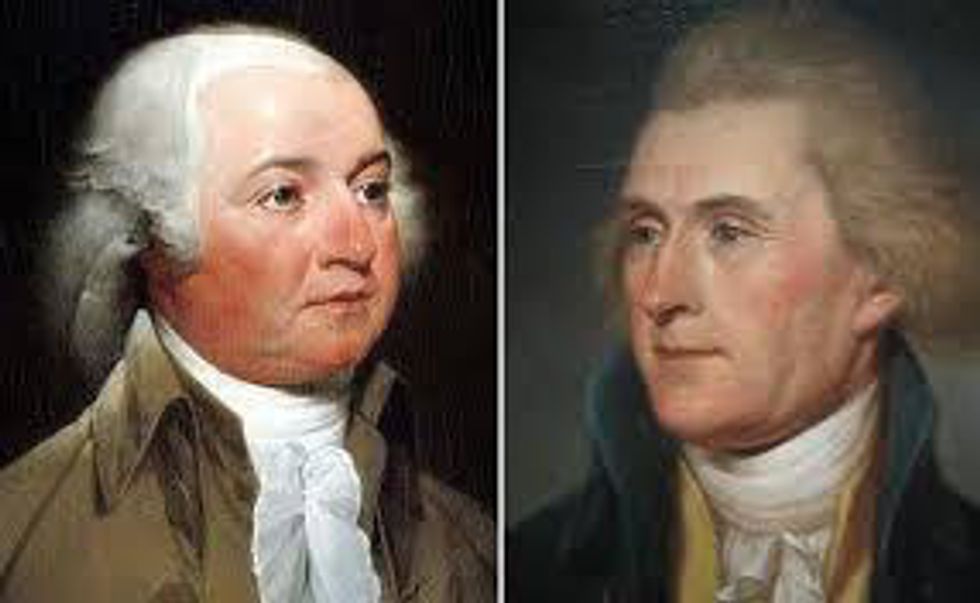
The presidential race of 1800 was still early in the history of the United States, and it revealed a major flaw in the election process that had yet to be considered: What would happen if the race ended in a tie? Jefferson and Adams had already run against each other in the election of 1796, with John Adams becoming president and Jefferson Vice President. The 1800 race set up a rematch this time with Jefferson choosing the first ever running-mate in Aaron Burr. At the time, the Vice President was chosen as the candidate who received the second most amount of votes, so to be Jefferson’s running mate, Burr had to run for the presidency himself. In November of 1796, voting began and ended with Jefferson defeated Adams, but tying with Burr at 73 electors each.
It was decided that the House of Representatives would settle the vote. Alexander Hamilton, leader of the Federalist Party threw himself into campaigning for Jefferson because of his longstanding political feud with Burr. In the end, Jefferson won the election with a majority of the house votes, and Burr became the Vice President. Burr later killed Hamilton in a duel, although it is unclear if this was related to Hamilton’s opposition to Burr’s presidency. 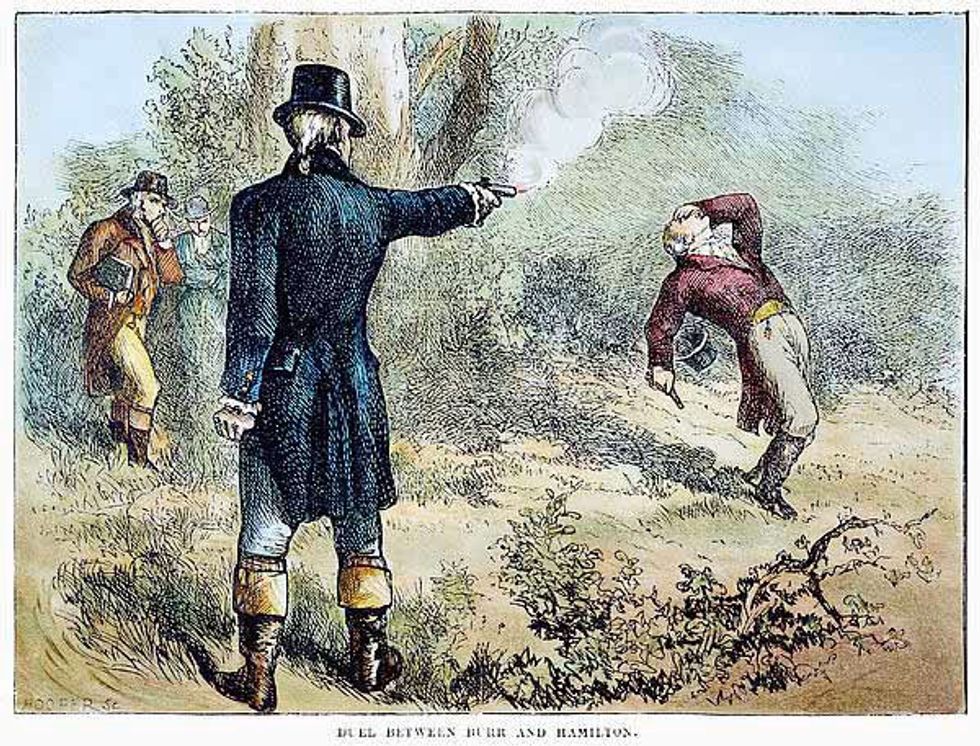
2. 1824: John Q. Adams vs. Andrew Jackson vs. William H. Crawford vs. Henry Clay
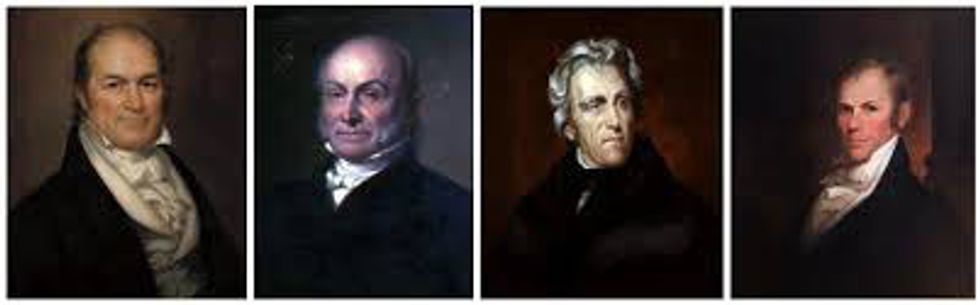
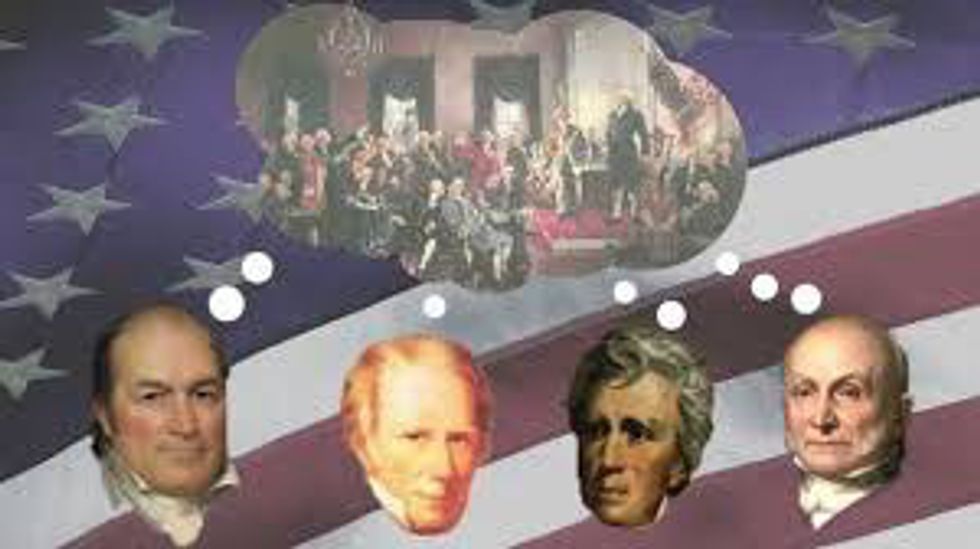
Because none of the four candidates received a majority, the vote once again was to be decided by the House of Representatives. The Speaker of the House, Henry Clay, just so happened to also be in the running for president, but since he had come in fourth place, he was left out of the House vote. Andrew Jackson had often launched verbal attacks against Clay throughout their campaigns, so even though Jackson had been the winner of the popular vote, Clay campaigned the House against Jackson. In the end, the Clay was able to sway the house against Jackson, leaving John Quincy Adams as the sixth president of the United States.
3. 1872: Greenley vs. Grant
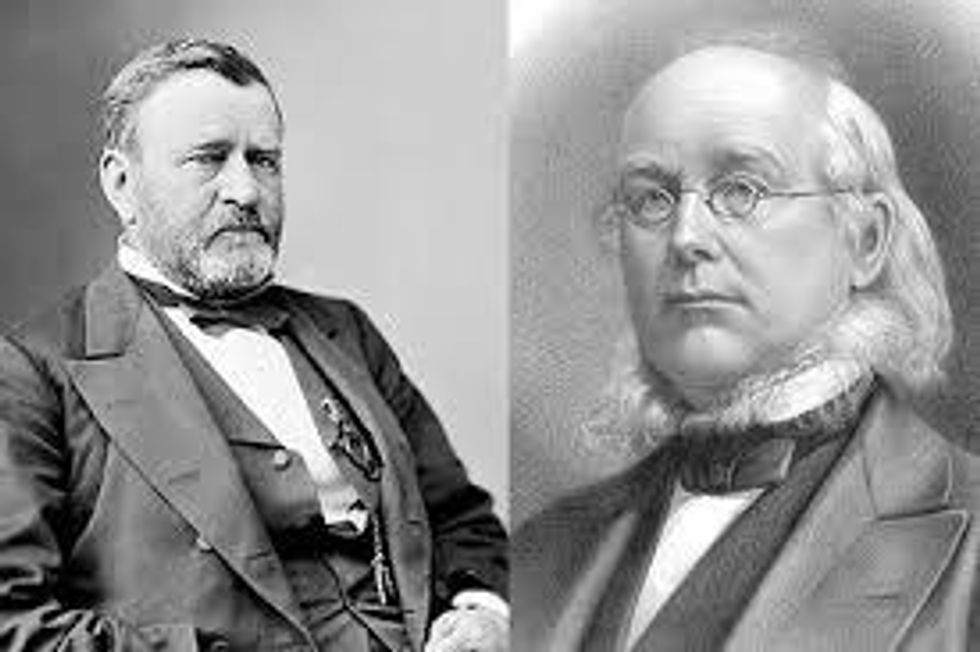
The election of 1872 began as an ordinary election, with both candidates being relatively well-liked. Ulysses S. Grant was popular because of his experience in the Civil War, and Horace Greeley ran as editor of the New York Tribune, running for a, “More honest government”.
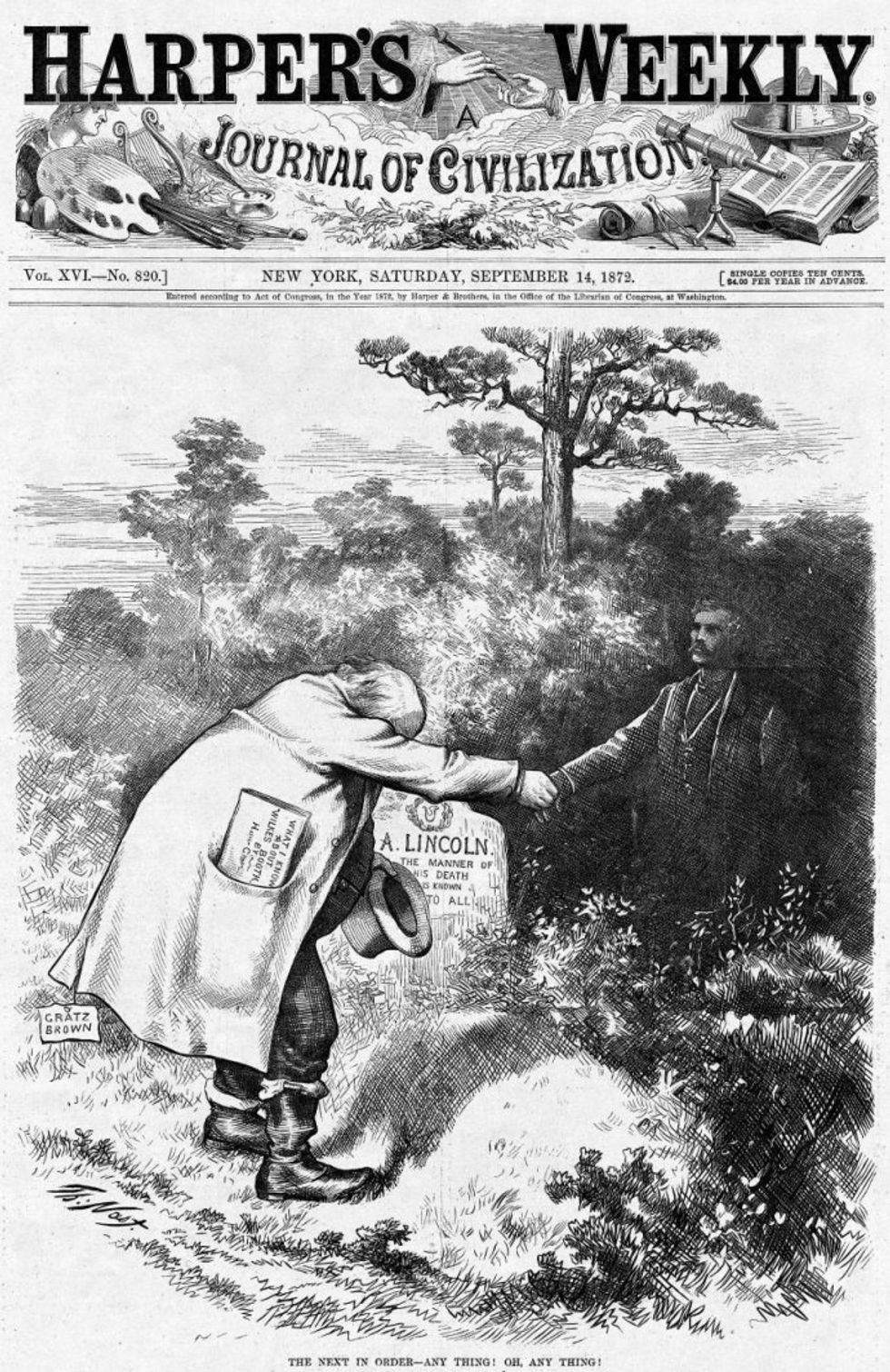
In November, Grant won the election by a large margin with 55% of the electoral votes. But while the votes were being counted, Greeley died suddenly on November 29th. At the time of his death, only 3 electors had been awarded to his campaign, and since electors cannot be awarded to a dead man, the remainder of the 66 votes that he would have been awarded were forfeited. While Grant would have won anyway, Greeley’s death makes the victory slightly bittersweet.
1912: Taft vs. Wilson vs. Teddy Roosevelt
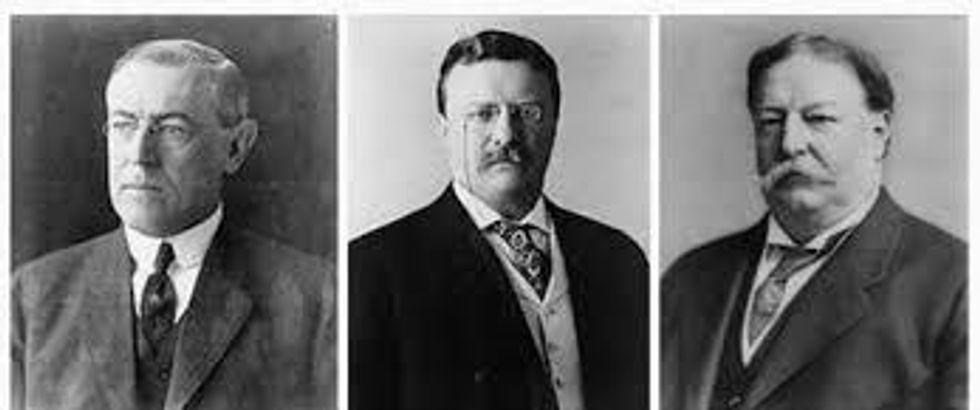
The election of 1912 put three of the most influential American figures against each other in the race for the Presidency. William Howard Taft came in as the incumbent, and Theodore Roosevelt ran for a third term four years after losing the presidency.
Roosevelt lost the Republican nomination to William Howard Taft in 1912, but rather than throw in the towel, he decided to form his own party. From there, he founded the Progressive Party, also known as the Bull Moose Party. Roosevelt campaigned hard against his enemy Taft, but in the end, neither of them became president (again), and Woodrow Wilson took over with 41.8 percent of the popular vote. Roosevelt came in second place with 27 percent of the vote. This was the last time that a third party candidate has been awarded more votes than a major-party candidate.
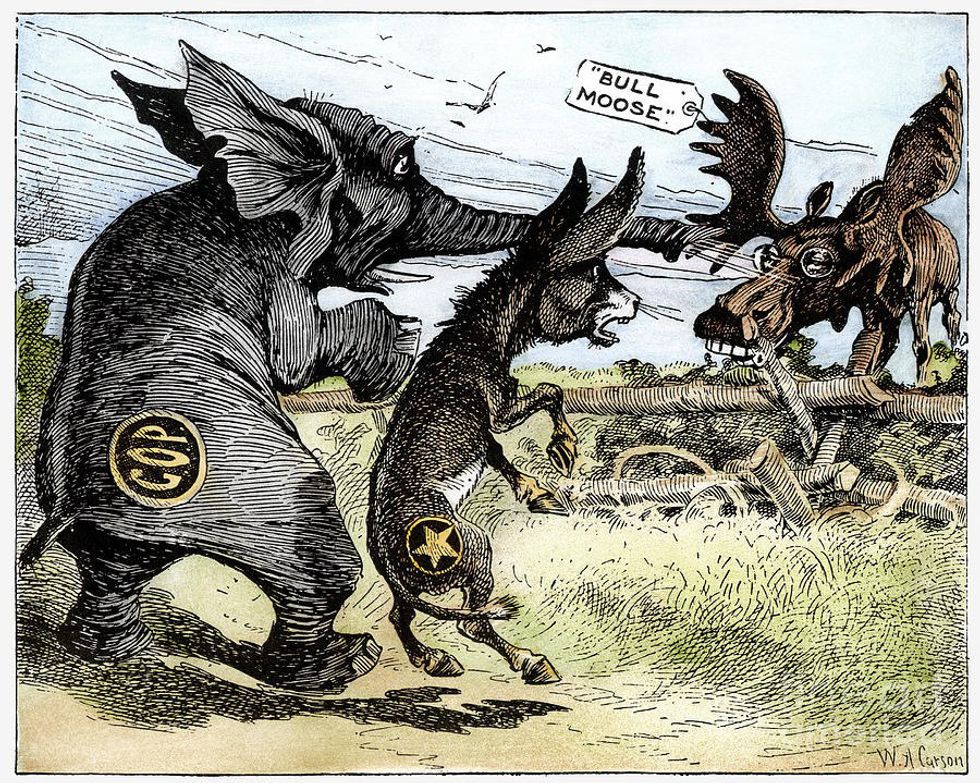
The Moose Bull party continued into the 1920s, although Roosevelt did not run for the presidency again. The party never gained any ground in politics and was eventually reunited into the Republican Party.
1920: Harding vs. Cox vs. Debs
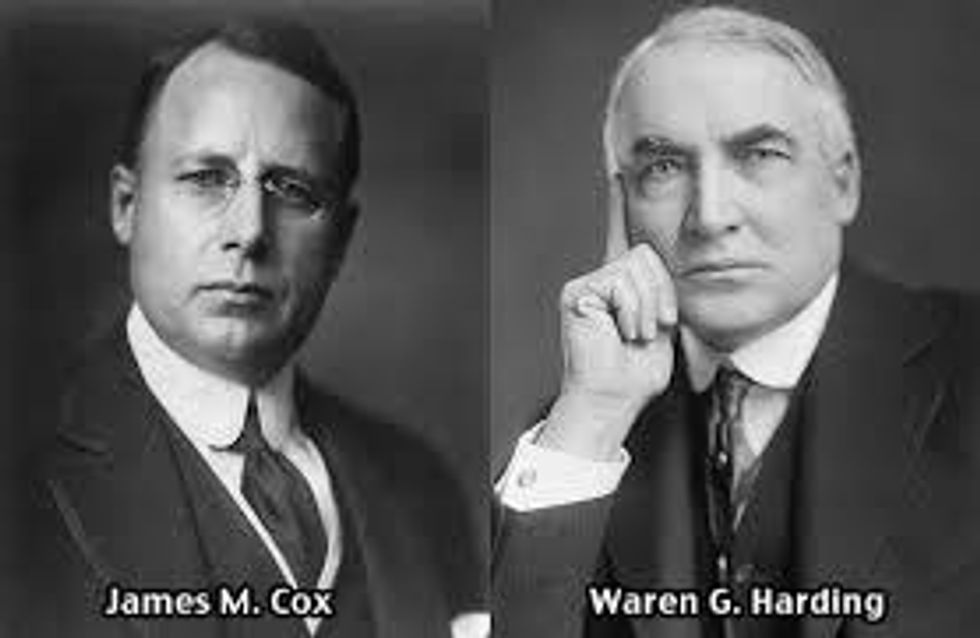
The election of 1920 brought the rise of two newspaper publishers campaigning head to head. But the interesting person in this election was not the two frontrunners, but rather the third party candidate from the socialist party named Eugene V. Debs. Debs had run for president four times from the socialist party, most notably receiving 6% of the popular vote in 1912.
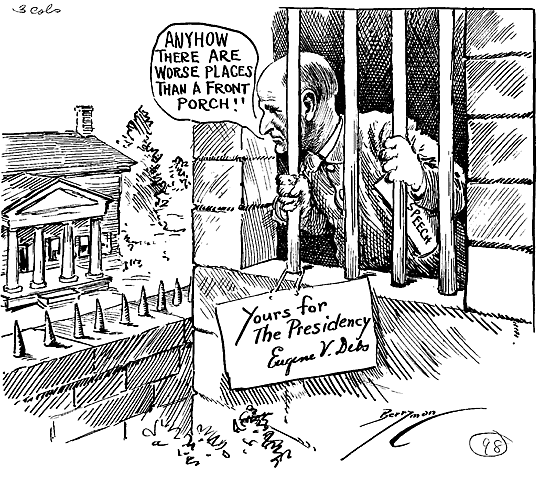
Debs was sentenced in June of 1918 to 10 years in prison for publicly protesting the WWI draft and the Wilson presidency. His case went to the supreme court, who only added to his conviction. Despite his lock-up Debs continued as a candidate for president in 1920 and was awarded 3.4 percent of the popular vote. Following the election, he was pardoned by then President Harding, and later nominated for a Nobel peace prize for his peaceful protest of WWI.
Someday, maybe we can look back on the 2016 election and see it as another great American story.