


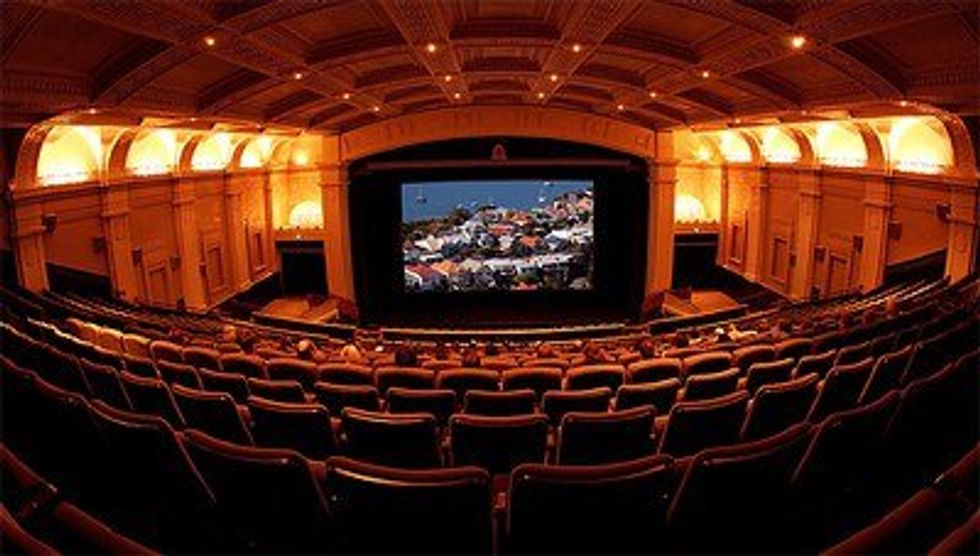
Film plays a large role in the lives of people today. One great aspect of film is its ability to answer questions many of us wonder. One question, in particular, asks what humankind’s future looks like. Many films take different angles to answer this question. Some films look at the destruction of mankind through apocalyptic means. Others show just how capable humans are in becoming more advanced in fields like technology and science. Listed below are 5 films that search for answers to the question: What does the future of humankind look like?
1. "The Day After Tomorrow"
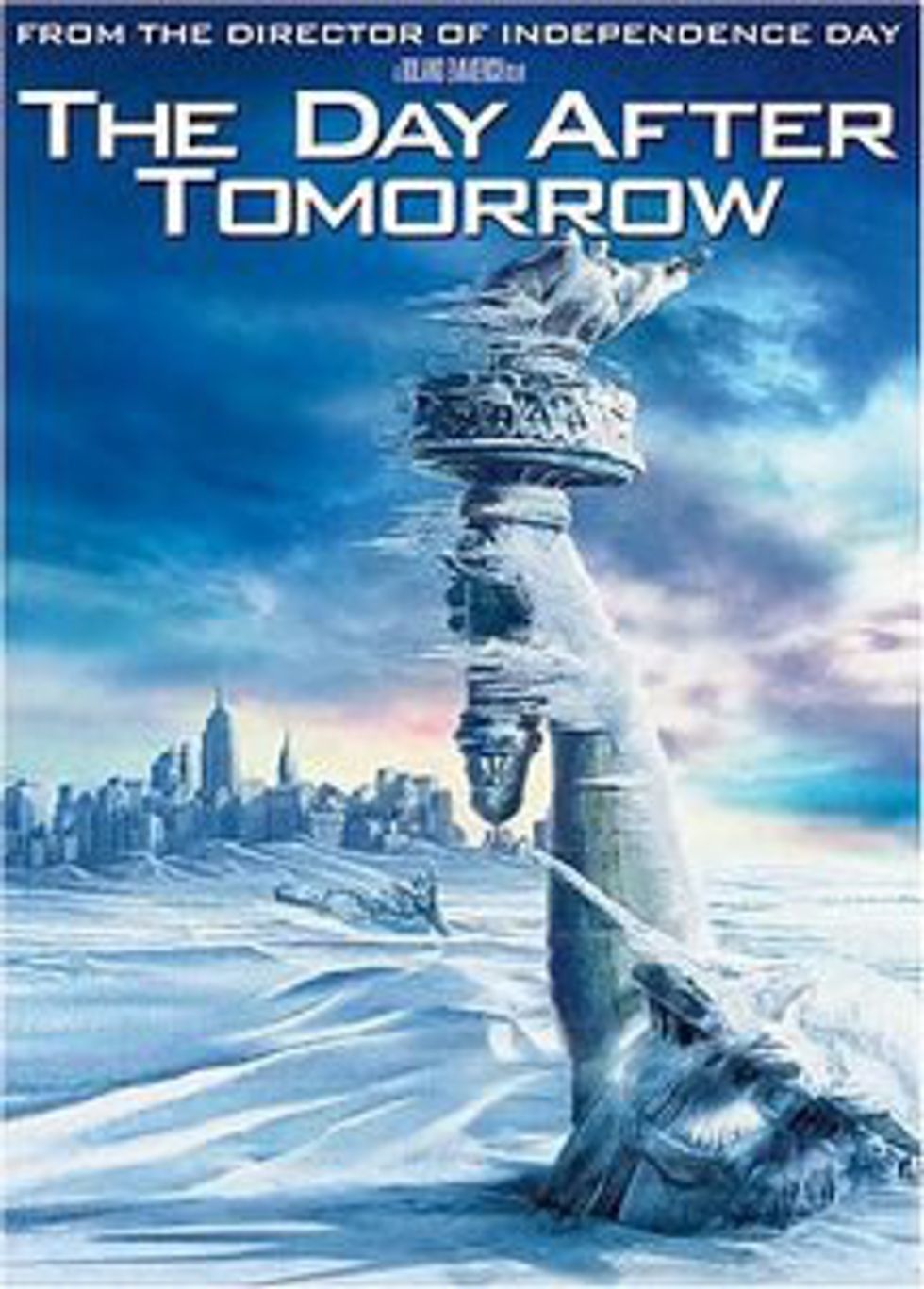
In "The Day After Tomorrow," Sam Hall (played by Jake Gyllenhaal) travels to New York City with his friends where they become snowed in by an apocalyptic blizzard. Sam’s father, Jack Hall (played by Dennis Quaid), must travel through the torrential blizzard to New York City to save his son while Sam and his friends struggle to survive. This film offers a possible answer to a question many of us wonder: when will the apocalypse occur, and why? How do we prevent the apocalypse from happening? Are our ways of living going to negatively affect humans earthly presence?
2. "I am Legend"
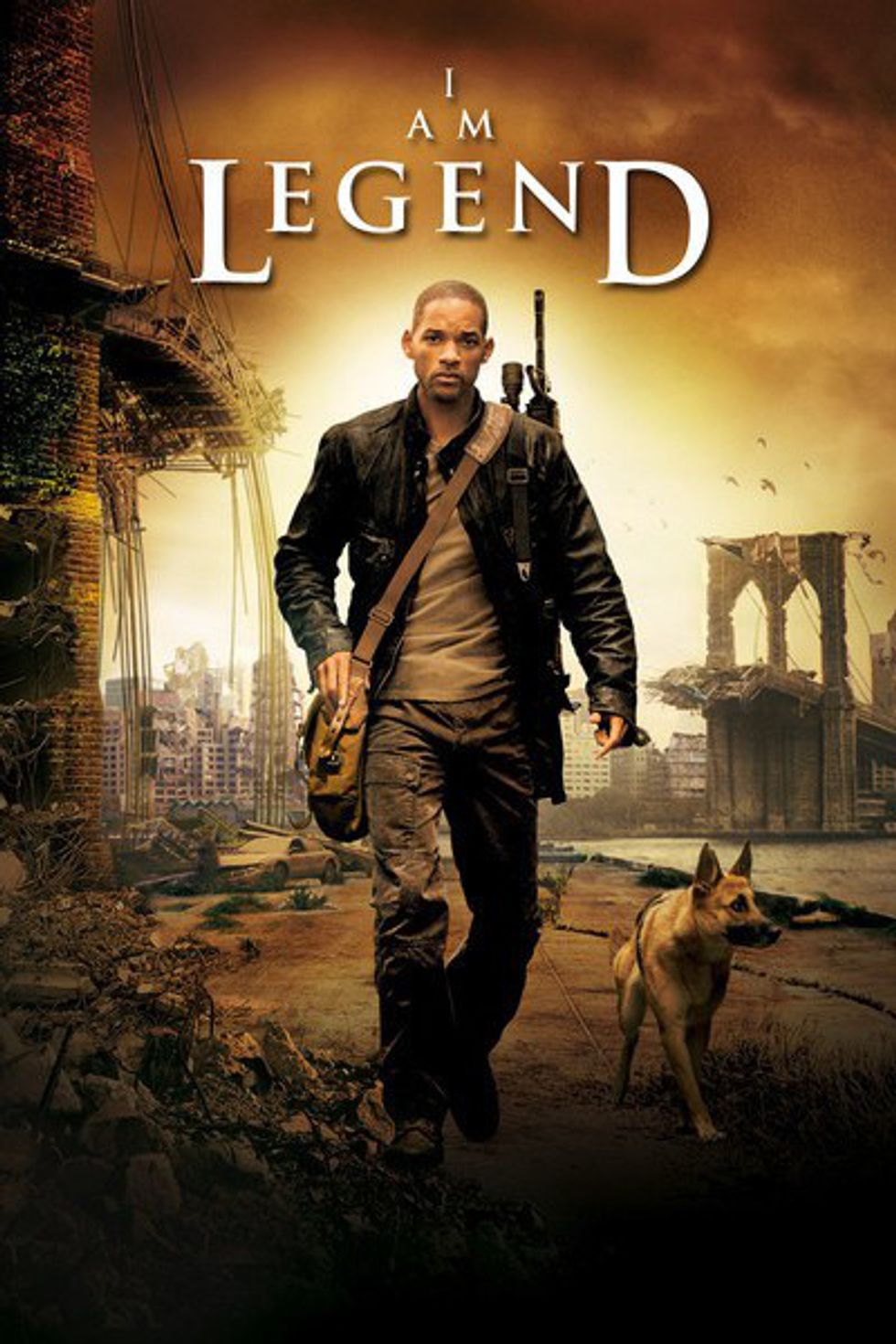
In this 2007 film, Robert Neville (played by Will Smith) lives in a post-apocalyptic New York City where he believes he is the only human still alive. Humans have turned into cannibalistic mutants. Neville captures these mutants and tries to find a cure that will transform them back into humans which, in turn, saves all of humanity. Instead of a weather-related apocalypse, "I am Legend" blames a terrible illness for the fall of mankind. Could a new illness wipe out nearly all of mankind? Is there any way to stop this an illness like this from manifesting?
3. "The Martian"
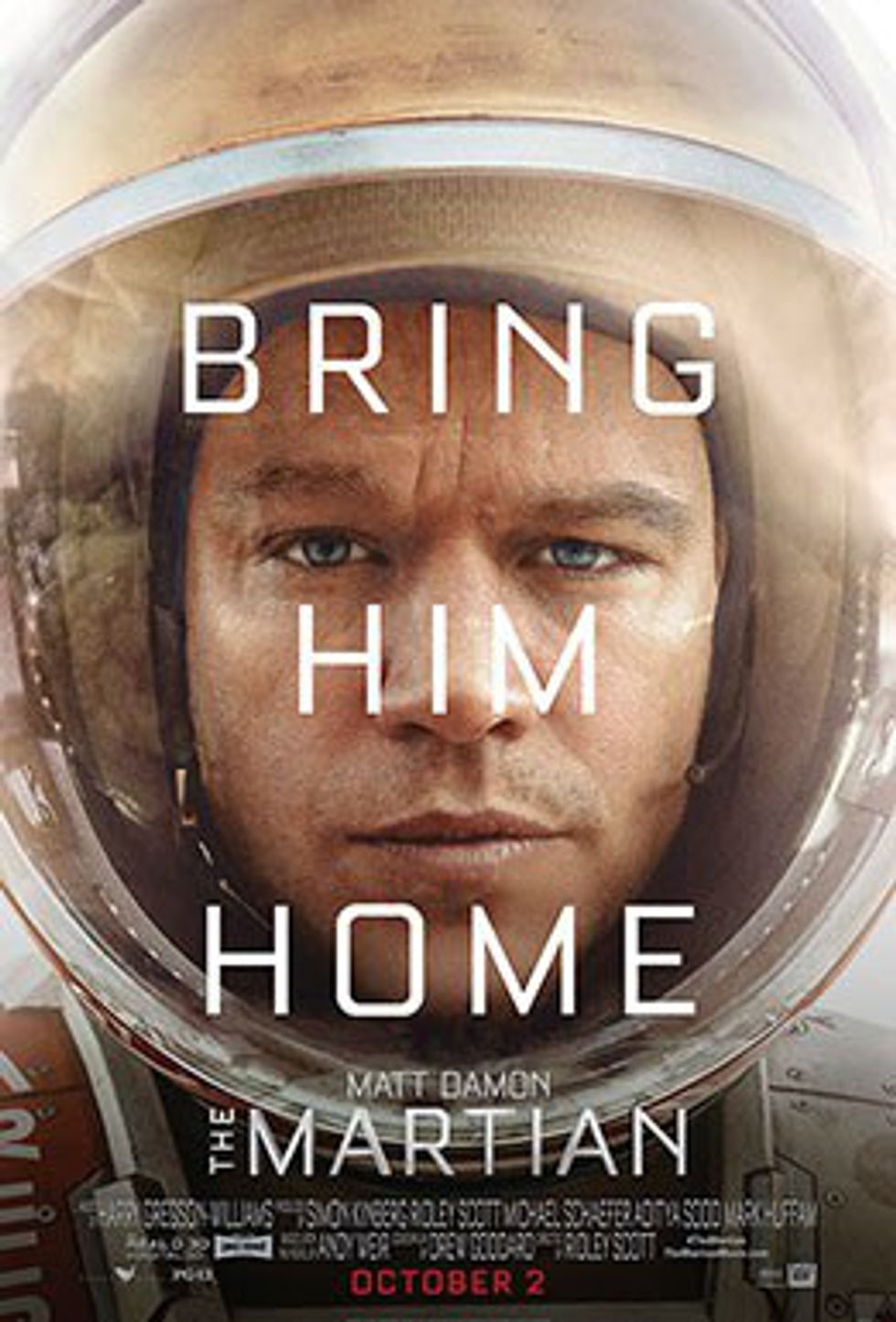
This film adaptation of Andy Weir’s novel "The Martian" follows Mark Watney (played by Matt Damon) through his struggles of surviving on Mars after his space shuttle leaves him stranded. Watney tries to survive while being on a planet with a lack of water, oxygen, and resources. Director Ridley Scott and author Weir attempt to explore the possibility of space travel and life on other planets. Can life be sustainable on other planets? While a work of science fiction, Weir wrote the book as scientifically accurate as possible, even incorporating current NASA technology. "The Martian" leaves you curious about the possibility of space travel, life on other planets and the future of Earth.
4. "Gattaca"
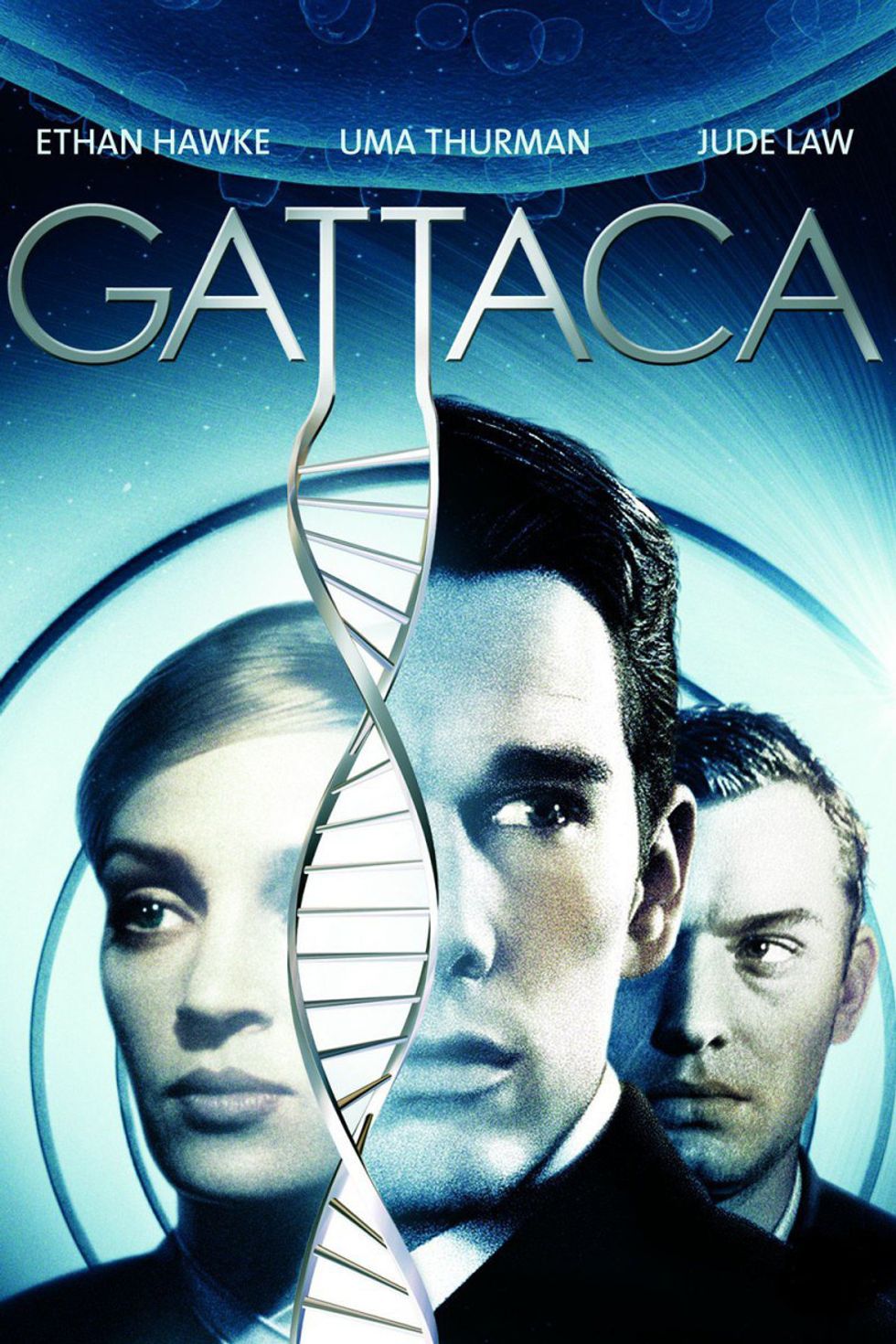
The 1997 film depicts the life of Vincent Freeman (played by Ethan Hawke) who is genetically unlike the rest of the population. In this futuristic world, parents choose traits for their children to have before they are born, making them genetically superior. Parents can choose that their child lacks any disability and illness, be intelligent beyond compare or simply have blue eyes. Vincent’s parents, however, leave that up to chance and have him naturally. The film follows Vincent through his struggles being a genetically inferior person and how he attempts to overcome that. "Gattaca" raises questions about the ethicality behind choosing who a child becomes. With genetic and hereditary science and technology becoming more advanced, could our future look like this? If so, what are the dangers of a genetically modified species?
5. "Ex Machina"

In this film, Caleb Johnson (played by Domhnall Gleeson) wins a contest that allows him to stay at his CEO’s private house for a week. Caleb soon discovers the CEO has created a very humanlike robot. Caleb’s job is to test the robot’s humanity and decide whether or not it can pass for a human. Because technology is advancing so quickly and plays a role in many daily functions, artificial intelligence isn’t too far-fetched. Could humanoid robots be a possibility in the future? What does this mean for humanity if robots are able to think and operate like humans? Is there a chance that technology may advance too much?
















