There’s perhaps no show in the “Golden Age” of television more initially misjudged than "Bojack Horseman." When it premiered as the flagship animated series for Netflix in the summer of 2014, numerous critics wrote "Bojack" off as a middling attempt at similar animated comedies like “Archer” and “Family Guy.” However, when the show’s episodes are viewed as chapters of a book rather than weekly installments thanks to binge-watching, "Bojack’s" true depth is on full display.
The story of the titular star’s career as a post-'90s sitcom star experiencing a resurgence in modern Hollywood — or “Hollywoo” — while also wrestling with his own demons has proven to be an interesting character study on the pursuit of happiness. Showrunner Raphael Bob-Waksberg and his team are not afraid to challenge their audience with nihilistic stories that don’t give a clear solution for what it means to be happy as well as lampooning the entertainment industry in relation to it.
In many ways, the overall message of the show is that the entertainment industry is run on desired pleasure and that everybody is looking for escapism, even the people who keep the Hollywood machine running. With season three premiering on July 22, there’s no better time than now to look back on the episodes that have defined "Bojack Horseman," so far, as one of Netflix’s best shows.
1. "The Telescope" (Season 2, Ep. 8)

Often considered the critical turning point for the series, “The Telescope” puts Bojack in one of the most devastating and heart-crushing positions in the entire series. The creator of Bojack’s TV series and former best friend, Herb Kazzaz (Stanley Tucci) had been teased all throughout season one, as well as the story behind their frayed friendship. When Bojack hears a word that Herb is dying of cancer, he travels to his home in order to bring closure to their relationship. It’s best not to go into too much detail about why Herb's relationship with Bojack is damaged, but the result is a look back to a fairly recent era of Hollywood politics in the early '90s. What really sells the episode is the state it leaves Bojack in by the end.
Although Herb enjoys Bojack’s company, he begrudgingly refuses to give Bojack closure for what he did to him. It’s a bitter, black ending that is cruel to its protagonist, but it’s a reminder that closure is not always obtainable in death. People try to find it to justify death’s purpose, but “Bojack Horseman” states that there is no purpose in death, and that is what makes it so terrifying. “The Telescope” proved to be one of the defining moments in the show’s history where its character study became clear.
2. "Downer Ending" (Season 2, Ep. 11)
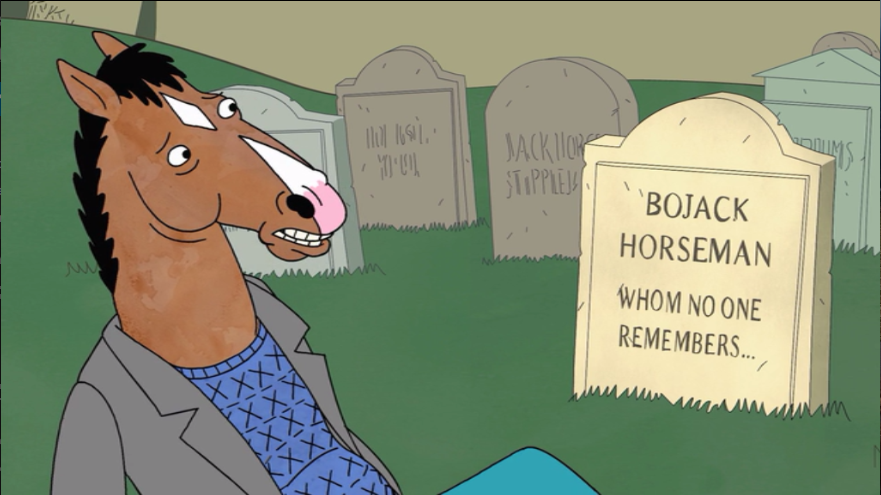
The most fittingly titled episode of the series, "Downer Ending” sees “Bojack Horseman” at its funniest as well as most existential. The featured running plot of season one focuses around Bojack finishing his memoir with his ghost writer, Diane Nguyen. After he scrutinizes her for the finished draft, which is a far cry from the fluff piece he was looking for, Diane uploads the first chapter as a preview to readers.
Although it receives good word of mouth, Bojack still disapproves and sets off on a last minute, drug-fueled binge to write the story he wanted, to begin with. What follows is a surreal trip that feels like the creative lovechild of Hunter S. Thompson and Ralph Bakshi. Yet, among the psychedelic zaniness, there is a zen-like trance where Bojack believes that had he taken up a proposal in the past, he would’ve ultimately found the happiness he so desperately seeks. The episode is a testament to the type of storytelling the show is capable of, zany and surreal parody while also exploring the existential psyche.
3. "Hank After Dark" (Season 2, Ep. 7)
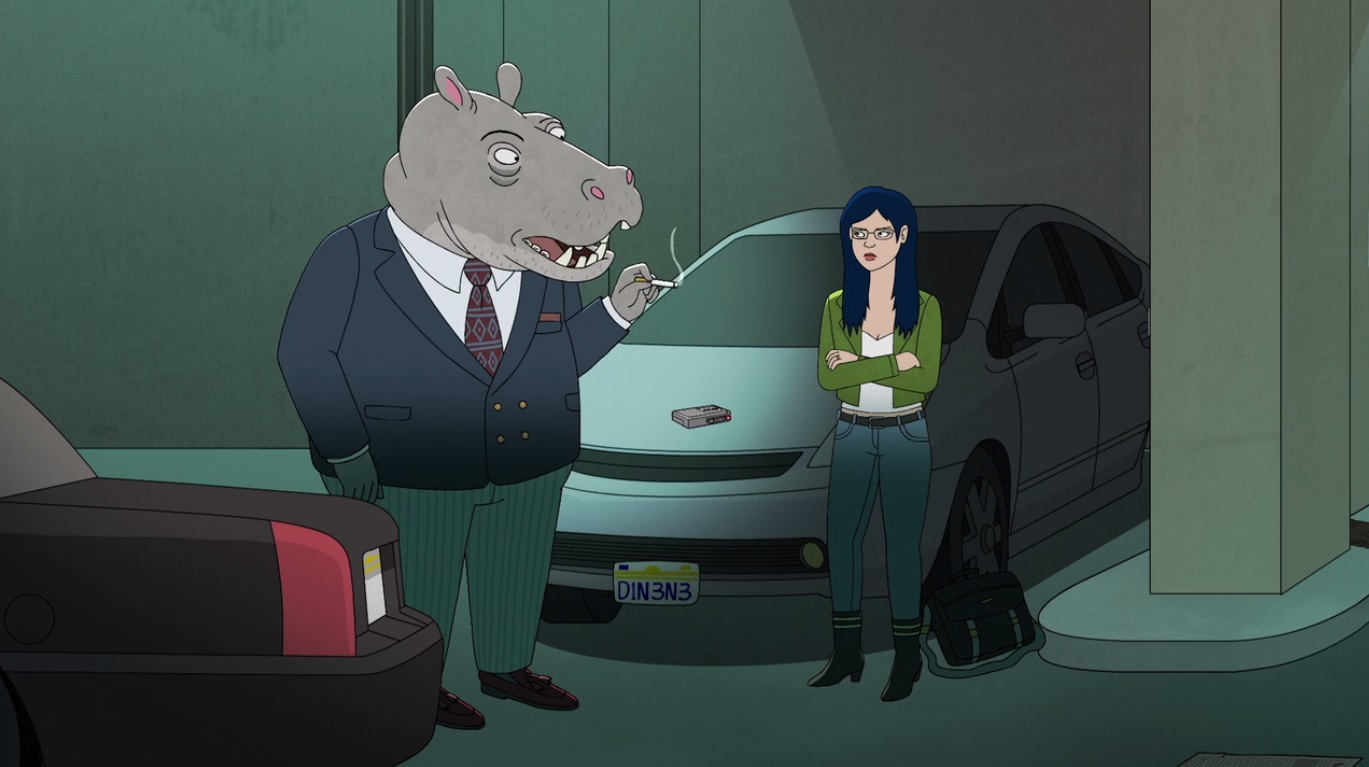
“Hank After Dark” sees “Bojack Horseman” at its most political by commenting upon alleged sex scandals surrounding high-profile celebrities. During Bojack’s book tour, Diane comes under scrutiny after hinting at multiple alleged scandals surrounding well-beloved talk show host, Hank Hippopopalous. With the Bill Cosby hysteria still at large when season two premiered in the summer of 2015, "Bojack Horseman" felt like the first entertainment outlet to comment on the issue in a very tasteful and genuine manner.
At a time where stories involving sexual assault and gender discrimination are susceptible to pandering, “Bojack” is able to explore the matter respectfully while also addressing the problem of how celebrities can skid by the law for their actions. It is not the most uplifting episode of the series, but it does get to the root of a serious issue going on in Hollywood, and how it is sickeningly perpetuated.
4. "Let’s Find Out" (Season 2, Ep. 8)
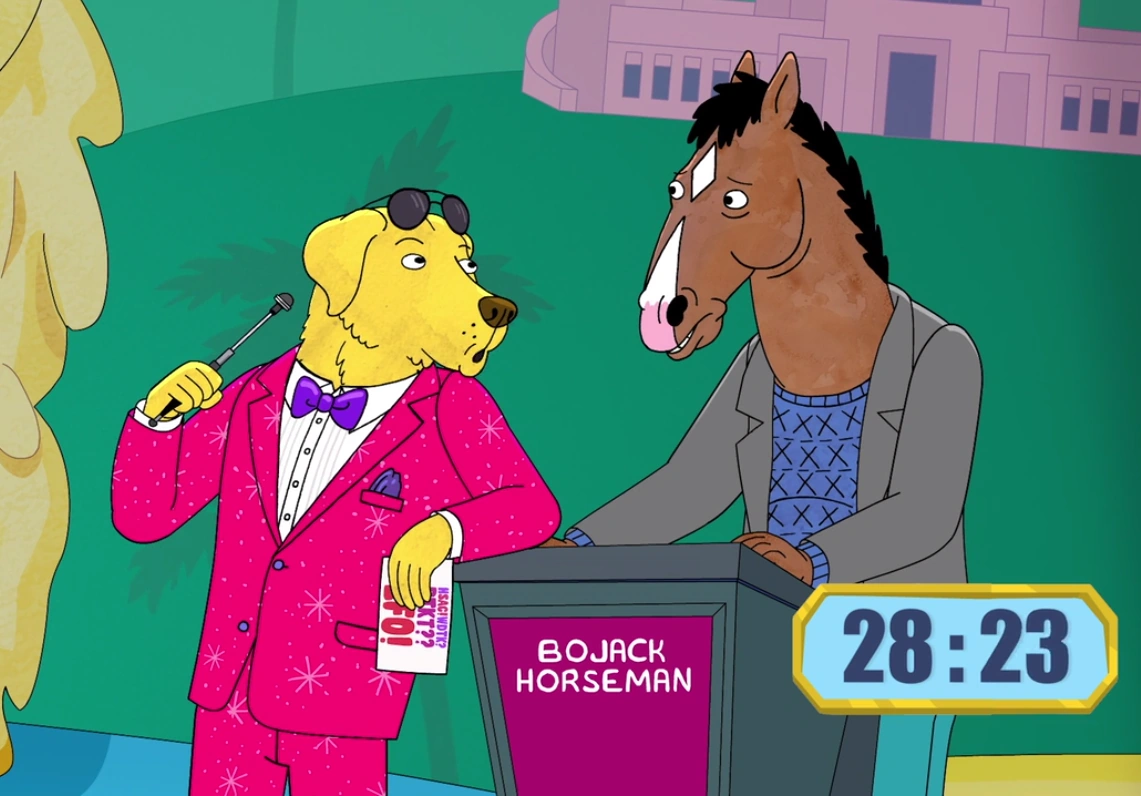
“Let’s Find Out” is an episode that is carried by direction and character-driven storytelling that leads to an episode that once again displays Bojack’s perfect balance of humor and drama. Bojack appears as the guest star (or at least that’s what he thinks) on his rival, Mr. Peanut Butter’s game show, “Hollywoo Stars and Celebrities: What Do They Know? Do They Know Things?? Let's Find Out!” created by J.D. Salinger. The show consists of basic trivia along with random and biased questions about Mr. Peanut Butter’s personality.
This gimmick surprisingly brings a lot out of heat between Bojack and P.B., causing them to come to revelations about themselves, all while the cast and crew hold things down behind the scenes. The episode owes a lot to “Birdman” and “The Muppet Show” when handling these scenes, but they feel more inspired by these references rather than just paying homage to them. It’s a great episode where humor and direction are on display more than they ever have in the series and it's an absolute blast to watch again.
5. "Escape From L.A." (Season 2 Ep. 11)

In an episode where Bojack seems to be at his happiest, “Escape From L.A.” delivers some of the best overall storytelling in the entire series. In an attempt to escape the issues plaguing the set of his new film, Bojack hunts down an old crush, Charlotte (Olivia Wilde) in New Mexico, only to find her happily married with two kids. However, he hits it off well with everyone in the family and ends up staying with them for a number of months. For a brief period of time, it feels as if Bojack has found the happiness he’s been looking for.
The episode not only shows Bojack at his most likable but also at his most vulnerable, leading to a twist that will shock any invested viewer. It’s the kind of twist that will have you yelling at the screen in disapproval at Bojack, only to feel sorry for him seconds later. It is a reminder that although Bojack is endearing, he is still a destructive person not only to himself but to those around him as well. It is this sense of neuroticism the show is able to put upon the audience that showcases the perfect balance of escapist entertainment and humanist storytelling. “Escape From L.A.” won’t leave viewers rolling on the floor laughing like some episodes, but it’s a bitter ending that feels perfectly fitting to the series’ character study.
Season three of “Bojack Horseman” will see Bojack rise to high-profile movie star status as he competes for an Oscar. The show will lampoon the awards season circuit in a season many critics are already comparing to the greats of the “Golden Age of television” such as “Mad Men” and “House of Cards.” With praise like that, hopefully this will be the season to stake “Bojack” as one not only one of Netflix’s best shows but one of the best shows on television, period.