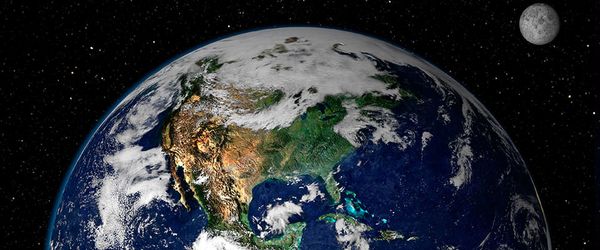
The ocean. Simultaneously the most precious and the most overlooked piece of the Earth that humans fail to protect. Ocean waters cover 71 percent of the Earth's surface, and produce 70 percent of the Earth's oxygen thanks to the photosynthetic activity of marine plants, such as plankton. Dr. Sylvia Earle, one of the greatest marine biologists to ever live, provides a great picture of just how vital ocean life is in her estimation that the phytoplankton, Prochlorococcus, provides oxygen for one in every five breaths we take.
The ocean acts both as the Earth's thermostat and weather regulator, with currents influencing land temperatures and weather patterns all over the world.
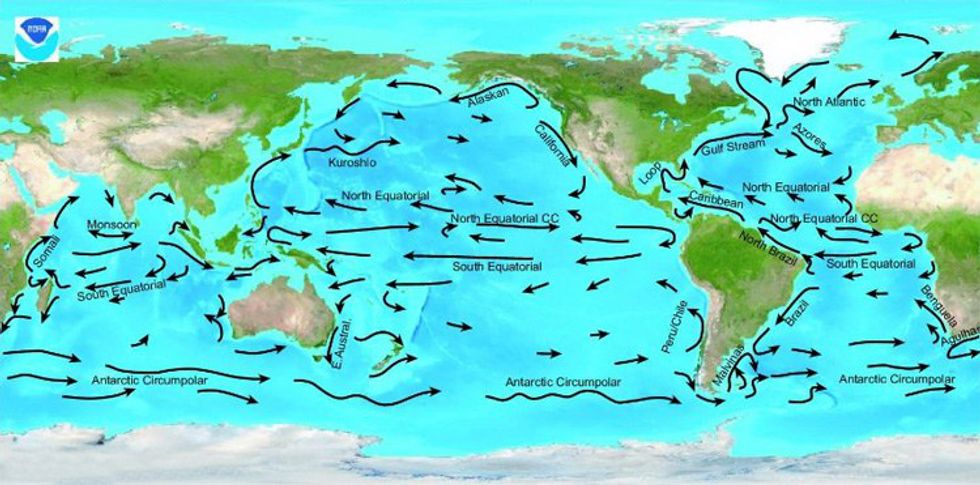
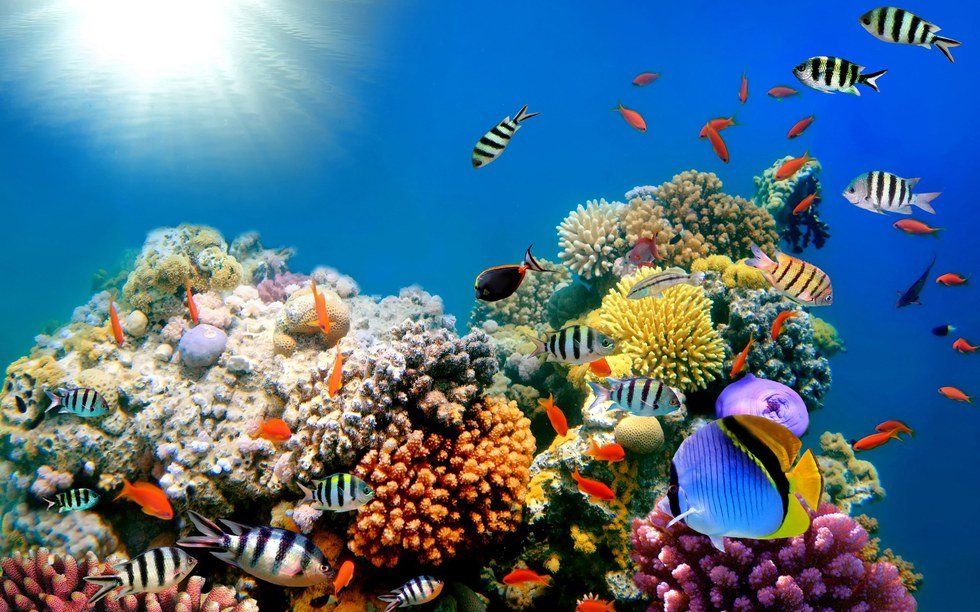
With the recent rise in global temperatures, escalating ten times faster than the average rate of ice-age recovery, these forces that create normality in our lives are being thrown off course. A rise in sea temperatures has led to coral bleaching, an event in which it expels the colorful algae living in it, exposing the calcium coral structures, and eventually dying. Warming oceans have also led to a decline in phytoplankton growth, those crucial creatures mentioned earlier that are responsible for so much land life. This warming has also already begun to alter the currents which are crucial to ecosystems all over the world.
In response to all of these things, there are steps that average, every day people like you and I can take to help the ocean creatures that we rely on so much.
1. Stop using products with 'microbeads'.
Microbeads are tiny plastic beads found in many popular facial scrubs, body washes and toothpaste. They are intended to help exfoliate the body.
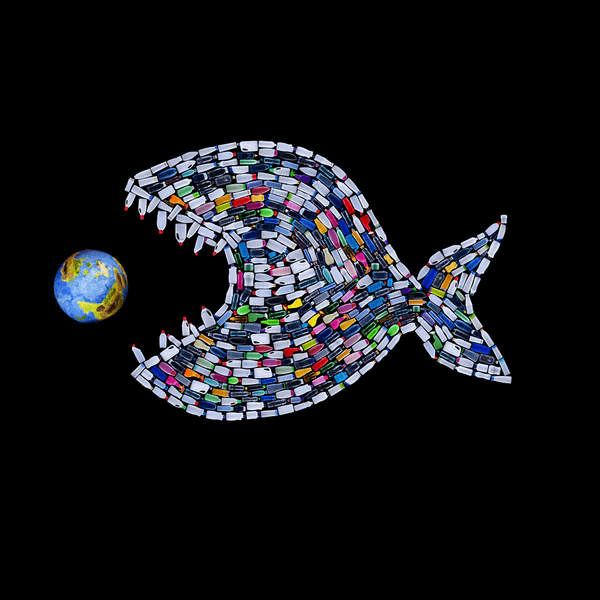
The problem with microbeads is that they do not break down in water, and often cause a hazard to aquatic life in the form of plastic pollution. These beads are almost impossible to clean up, because they're so small, but they're being washed down the drain in vast amounts. According to Environmental Science and Technology, enough beads are washed away daily to cover 300 tennis courts. Furthermore, small marine life easily mistake these small beads for food, and the consumption of the beads leads to death from mal-nourishment or poisoning. These small marine life serve as a food source for bigger fish, and the depletion of these creatures can cause a chain reaction that ends up affecting humans who assume the little fish don't matter.
President Obama has already signed a bill that will completely eradicate microbeads from store shelves by 2017, however there are unknown amounts of unused microbead products still in the households of Americans all around the country. The most simple solution to this isn't to use what you have until it's gone, but toss the product and switch to more friendly exfoliates that use things such as ground apricot seeds or oatmeal.
2. If you visit the beach, leave it better than it was when you came.
Essentially what this means is that you should make an effort to clean up any trash that you see wash ashore or drifting around your area. Try bringing a re-usable bag with you to the beach to collect trash, throwing the trash away at the end of your day.
It is estimated that there are 5.25 trillion pieces of trash in the ocean. Though one person alone cannot clean all the oceans, if even half of the people who visit the beach make an effort to not leave any trash, while cleaning their area, we can all enjoy cleaner beaches.
3. If You Must Discard Plastic, Here are a Few Tips to Reduce Harm to Marine Life.
Six-pack rings, straws, plastic bags, zip ties. All of these items are not the biggest contributor to the problem, but every ounce of help is useful when it comes to protecting marine life. These items often end up in the ocean and can cause marine life to become entangled, choked, or impaled.
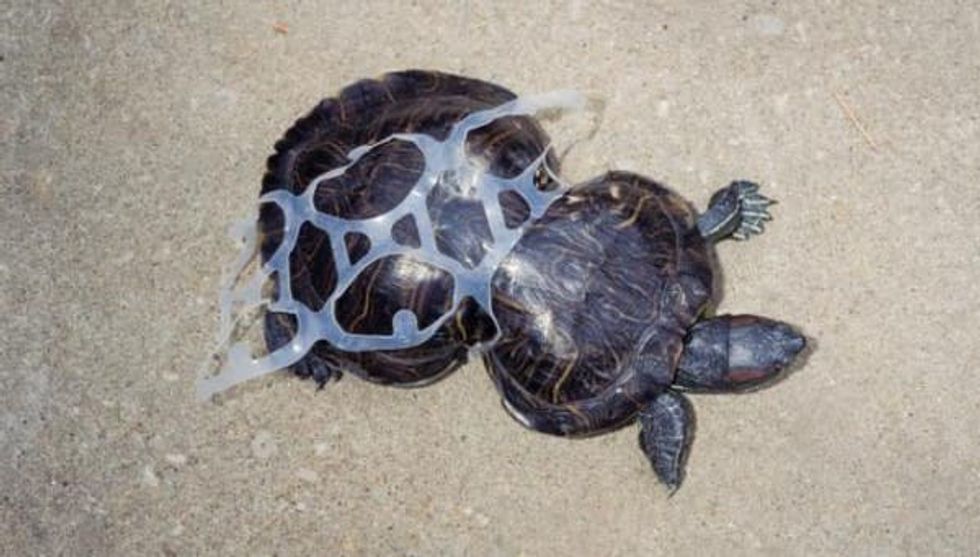
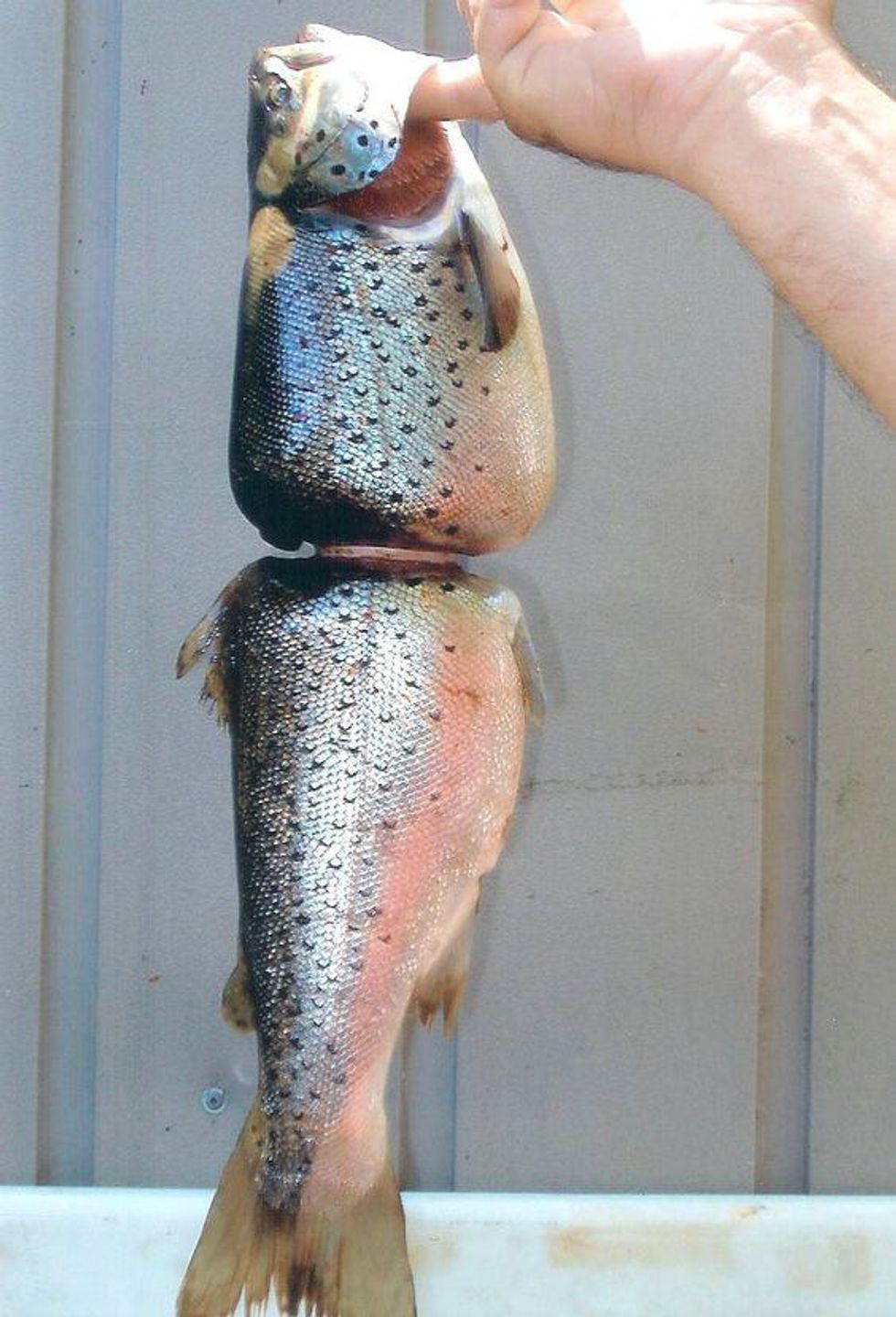
If recycling is not an option, make sure you do these simple things before throwing these items in the trash: cut the rings on six-pack rings, cut straws into small pieces to prevent incidents like this, re-use plastic bags as many times as possible before slicing them down the middle, and cut zip tie loops.
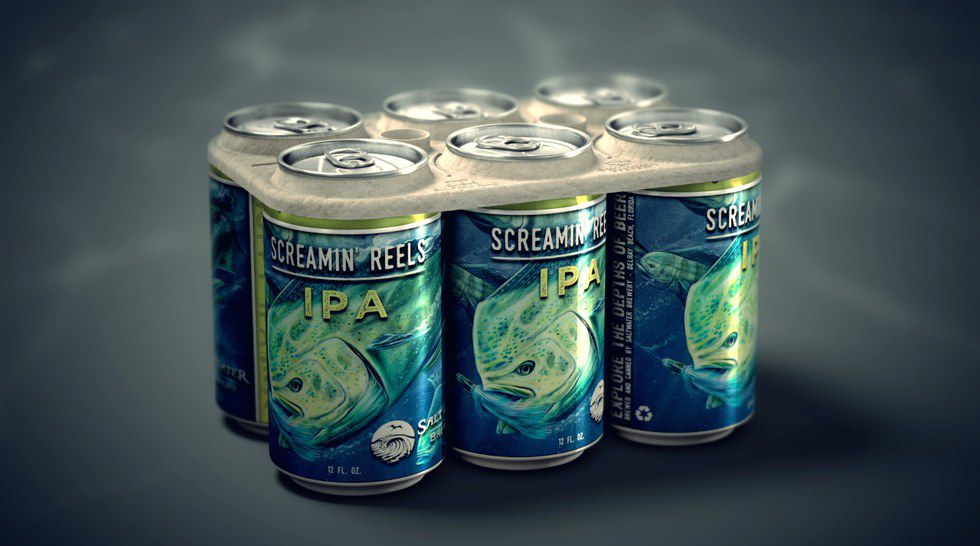
On that note, a Florida-based beer-maker called Salt Water Brewery has recently invented an edible six-pack ring that, if exposed to the ocean, won't create the horrific images shown above.
4. Pay Attention to the Chemicals in Your Sunscreen
It's estimated that up to 10 percent of coral death is the result of harmful chemicals in sunscreen. These chemicals include paraben, cinnamate, benzophenone, and a camphor derivative, all chemicals that have been shown to activate viruses in the algae on coral, leading to bleaching.
To reduce these effects, use sunscreen that is eco-friendly and reflects UV rays rather than absorbing them.
5. Use Ecological or Organic Fertilizers
In a lesson learned from Finding Nemo, "All drains lead to the ocean". Now despite the actual validity of this statement, the truth remains that lots of run off and water waste does in fact reach the ocean, streams, and rivers. Fertilizer used in agriculture contains high amounts of nitrogen, creating "dead zones" in bodies of water where there isn't enough oxygen to support life.
You can combat this while improving the look of your lawn by using organic fertilizers such as compost, a fertilizer that can easily be made at home using food scraps. Compost reduces the amount of chemicals that enter your body through water sources, the air, and your food.
These 5 steps won't solve all of the problems associated with climate change, in fact they won't even come close. But preventing the unnecessary death of marine life and reducing marine pollution can aid in supporting the fragile ecosystems that are in so much danger.