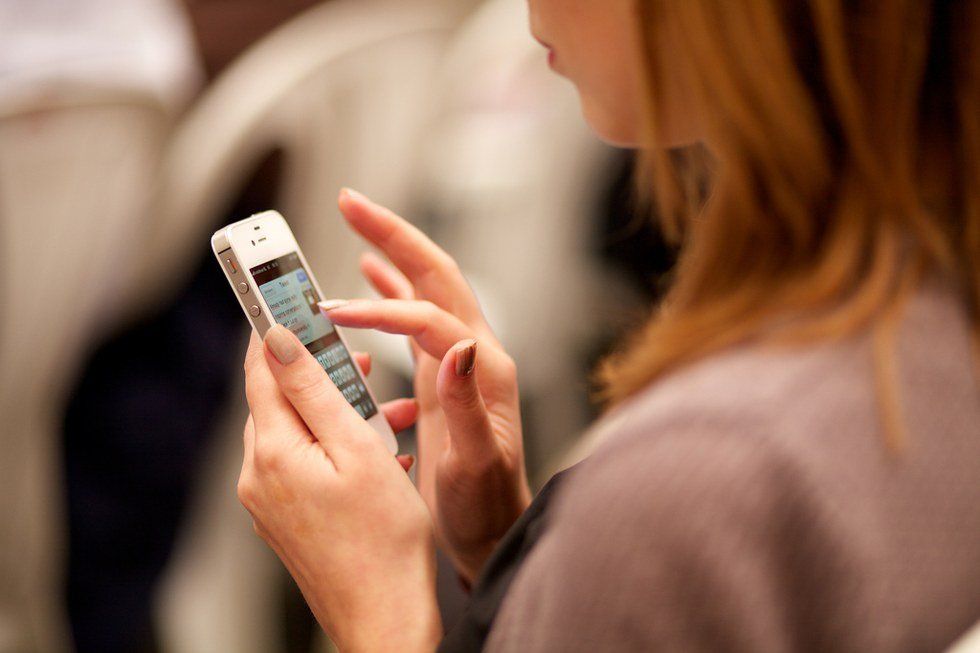
Like most of my peers, or really anyone these days, I am very "plugged in." In my apartment, it's not uncommon to see me and my roommates watching a TV show while working on homework on our laptops and responding to various texts and notifications on our smartphones. So, when my professor for a communications class issued a challenge to go without digital media for 24 hours, I was hesitant, but intrigued. For one entire day, I went without my phone, my laptop, any television or movies, or listening to music. Here's what I learned from my "media fast."
1. Media use is such a large part of our daily habits.
Waking up on the day of the media fast was a disorienting experience. I have grown so accustomed to checking my phone first thing when I wake up that I almost didn't know what to do without it. As I lay in bed without anything to scroll through or respond to, I realized how ingrained checking digital media had become in my behavior. I also noticed this at other points throughout the day, such as when I ate food. I was so used to looking at my phone while eating that it was difficult to focus my attention entirely onto just eating my meal. I've realized that often we use media, because it is a mindless habit more than anything else.
2. "Checking" is addicting.
I hadn't ever really considered myself one of those people who is totally addicted to their phone and can't be without it, but not being able to use it at all for 24 hours made me realize the addictive nature of checking our phones. Throughout the day I felt such a strong urge to just check my phone for texts, emails, notifications, etc. I wanted to check my grades, check the weather, check anything. There is such a noticeable, even chemical rush that comes from being able to check your phone and see notifications and respond to them. Throughout the day I felt the compulsive desire to get my fix of this satisfying reaction.
3. It is virtually impossible to avoid media entirely.
Digital media is so prevalent in our society and lives that even while I made a conscious and vigorous effort to avoid it, I still found myself exposed to secondhand media exposure throughout the day. It's something that we share with each other and it's a way that we connect and relate with others. My friends and family would still try to show me things on their phones and play videos with me in the room. And this was when I spent practically the whole day within my apartment. Out in the world and in public places, digital media is even more prominently present.
4. Media isn't all bad.
Today, media use and its ever-changing place in our lives is often vilified. While it's true that many, if not most of us, use digital media more than we should, it's important to also recognize the positive effects that it can have in our lives. Throughout my media fast what I missed most was being able to communicate and interact with my friends and family who live far away. It may be a more limited digital interaction, but it still allows us to maintain relationships no matter the distance. I also realized that a lot of the functional and productive things I do involve digital media, like writing, or doing homework. This experience made me realized that though we should cut back on our media use, it can play an important and positive role in our lives, if used responsibly.