


Psychological experiments are one of the only ways to discover patterns in human behavior that can be generalized to the entire population. Simply put, psychology allows us to better understand not only ourselves, but the world around us. While searching for answers, researchers often discover unthinkable things about the human population. Here are 4 of the most shocking psychological experiments to date.
The Stanford Prison Experiment
Procedure:
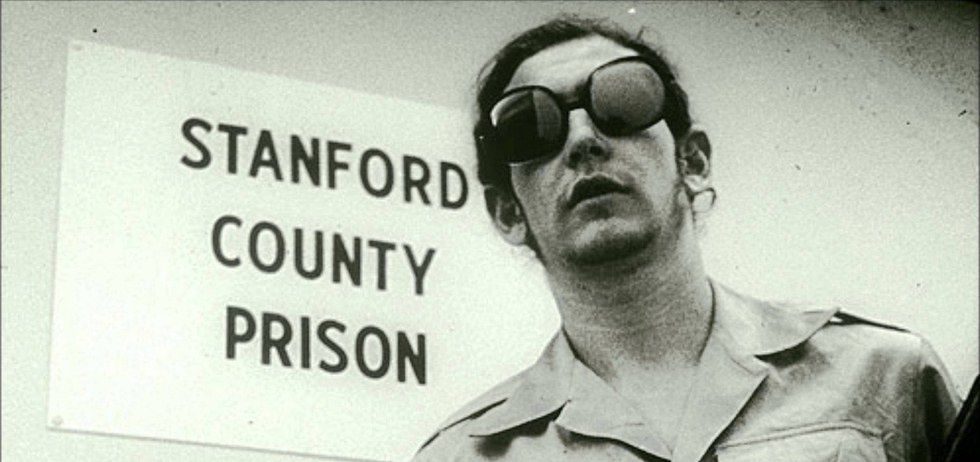
Conducted by a huge name in the world of psychology, Philip Zimbardo, this study quickly became one of the most shocking social experiments to this day. After numerous applicants were screened using diagnostic interviews, background checks and personality tests, a total of 21 college men were selected to participate in the experiment. They were divided into two groups, prisoners and guards. In a very true-to-life prison setup, 10 prisoners and 11 prison guards were supposed to play out their roles. Prisoners were arrested from their homes, booked like any other prisoner would be, given ID numbers, put on a typical prisoner uniform and were placed in cells with as many as two other people. The guards wore uniforms, had eight-hour shifts, and were told to do whatever was “necessary to maintain law and order in the prison and to command the respect of the prisoners. No physical violence was permitted.”
Outcome:
Within a matter of hours, the guards began dehumanizing the prisoners, insulting them, and even subjecting the prisoners to physical punishments. Over time, the prisoners inevitably became more dependent on the guards and even submissive. This change in attitude only allowed the guards to become more and more aggressive. After resorting to both physical and psychological torture, the guards’ behavior became uncontrollable. Although the study was intended to only last for two weeks, it was concluded on the sixth day due to the overwhelming physical and emotional torture the prisoners were subjected to as well as the growing aggression of the guards. It just goes to show you that anyone can be evil under the right circumstances.
The Good Samaritan Experiment

Procedure:
40 students at Princeton were invited to give a speech about being a good Samaritan on the other side of campus. Students were told that they had to rush to get to this location, walk at a moderate pace, or take their time. Experimenters placed a man who appeared to be in severe pain and distress along the path that participants had to take to get to their assigned location. The goal was to determine how the sense of urgency given in the instructions would affect a student’s decision to help the man or not.
Outcome:
Less than 50% of the participants in this study stopped to help the man in pain. Researchers found that not even 10% of the high urgency group stopped at all. Many individuals simply stepped over the man and continued walking. Despite being on their way to give a talk about being a good Samaritan, the participants completely ignored their opportunity to do a good deed even though it was right in front of them.
The Milgram Experiment
Procedure:
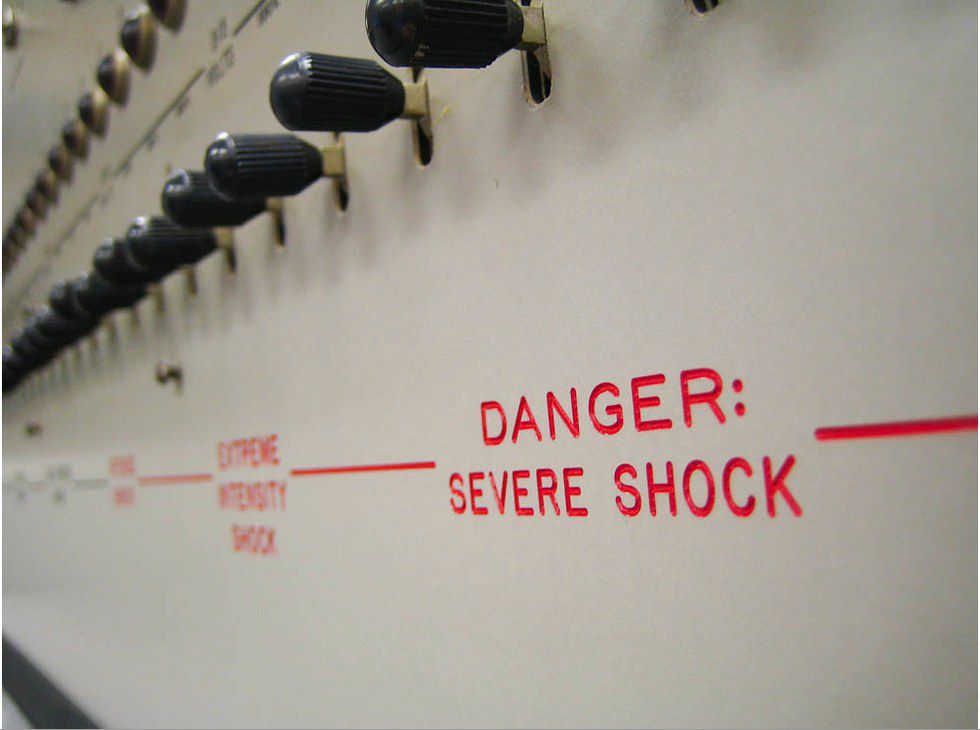
This study, conducted by Stanley Milgram, began with participants walking into a room and drawing a card that would determine whether they would be playing the “teacher” role or the “student” role. The teacher was given questions to ask the student. Every time the student answered a question incorrectly, the teacher was to administer an electric shock via a small switch to the student who was in a separate room. The shocks increased in voltage with every incorrect question and ranged from minor, painless shocks to the deadly amount of 450 volts which was labeled "XXX".
Outcome:
As the teachers continued to ask the students questions, concern started to set in. They began to hear pleas from the student begging them to stop and even screaming in response to the shocks. Many participants asked to stop the experiment, thinking the student was in serious pain, yet still continued with their duty after only being told, “It is vital to the experiment that you continue.” 65% of participants finished out the list of questions and eventually pressed the switch to administer a full 450 volts which would essentially kill the student. After moments of questioning what they had just done, they received some good news. Their student was really a paid actor who wasn’t harmed in any way during the experiment. Despite human beings having an innate sense of morality, this study shows that any form of authority can have an unexpected effect on anyone.
The Bobo Doll Experiment

Procedure:
Stanford University conducted an experiment consisting of 36 boys and 36 girls between the ages of three to six. They were individually placed in rooms that contained a “Bobo Doll” and numerous other toys. Some children were exposed to a video with either an adult playing aggressively with the doll, an adult playing calmly with the doll, or no video at all. After the video was concluded, experimenters watched the way each child interacted with the Bobo Doll.
Outcome:
The videos the children watched before interacting with the doll heavily influenced their behavior. An overwhelming majority of the kids who watched the aggressive videos interacted with the doll in an aggressive manner and the kids watching the calm videos interacted with the doll in a calm manner. More disturbingly, the aggressive test group tended to not only repeat things the model in the video had done to the doll, but increased the level of aggression by doing things like holding a gun to the dolls head and even beating it with the gun. No matter how much we think we can control our own behavior, what you see does have an effect on how you act.
No matter how disturbing or surprising an experiment may be, the results are always beneficial to the world as a whole.

















