



There are obvious things one must learn to be a good musician, such as posture or your basic notes and rhythms. I would argue that I have learned many things that at first glance, only apply to music but upon further inspection, apply to life outside of practicing or performing. They dictate how we perform and interact with each other, both while playing in a music ensemble and participating in the ensemble of the world. These are four lessons from music that overflow into the real world.
1. Listen To Your Neighbor 
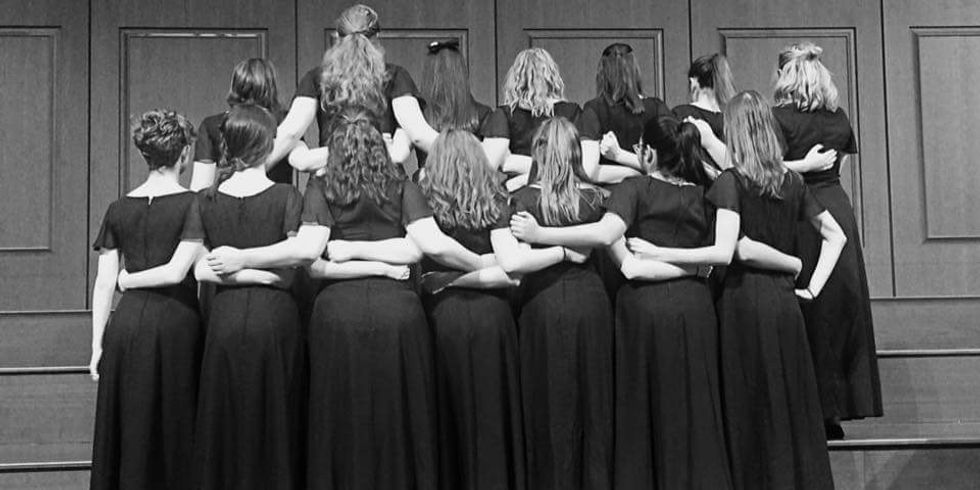
From the musician stand point, this is one of the more important things you learn to do. You have to blend with the pitchy tenor behind you (I do love my tenors but sometimes, well, you know) and the soprano to your right in order to get a nice, full sound. In real life, listening to your neighbor allows for clear communication and oftentimes, resolutions to grievances. Over and over, I hear complaints and ruthless arguments that never go anywhere, save for circles. What if both sides have valid points? They never come to light because we do not listen to each other. We all want a solo in a piece that is really a beautiful chorus.
2. Know Your Audience 

Knowing who is in your audience determines whether you succeed or fail. For instance, there are some jokes that resonate well with teenagers that would get you in trouble if you told them to small children. Your vernacular changes within each day, depending on to whom you are speaking. I have accidentally called a teacher "bro-ski" and would never do intentionally because that's not professional. You do not want to mutter obscenities on stage if you mess up. You save that for back stage with your peers. Knowing your audience keeps a certain atmosphere in place.
3. Fake It 'Til You Make It 
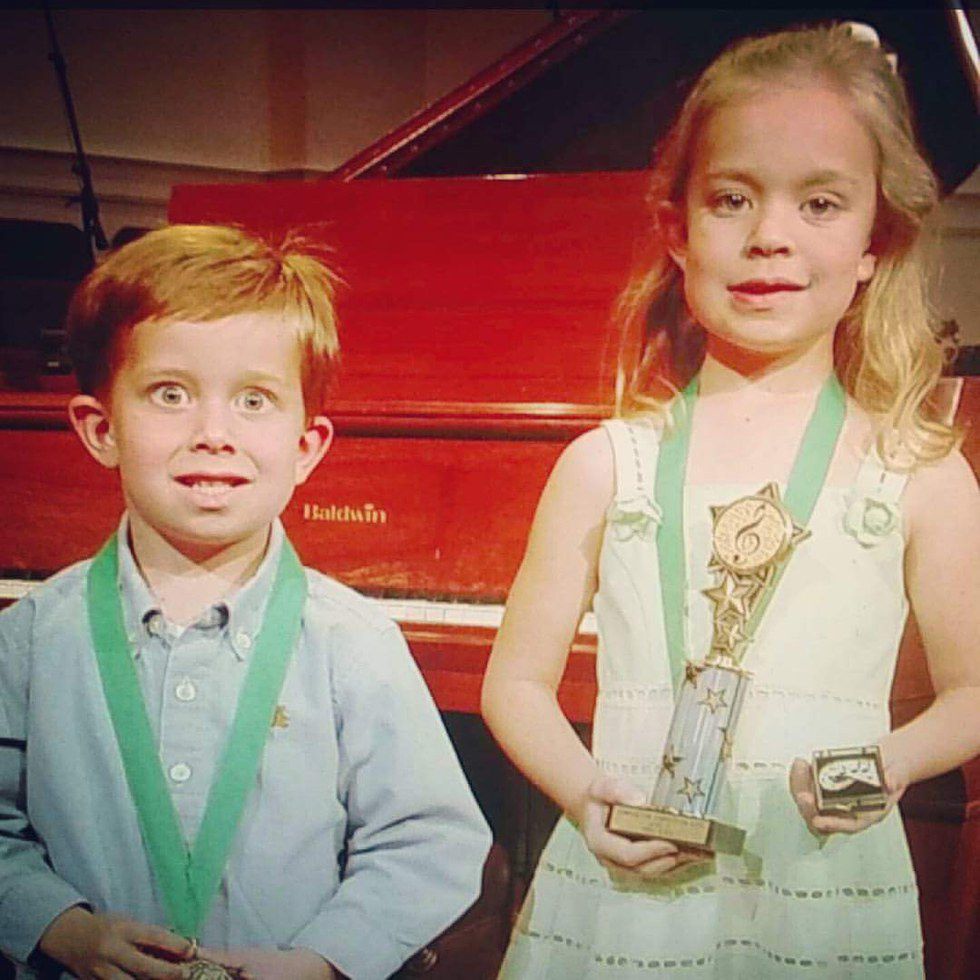
It is a little unsettling to hear someone give explicit instructions to make something up. This little snippet usually comes at the end of a long rehearsal when the director is sick and fed up with practicing the same thing over and over: "Come on guys. How are you not getting this?" He'll say it with a sigh. We know it's more of a guilt tactic to make us learn our music, but it's a phrase that my peers and I use in day to day life. Here's a high school senior's little secret: I don't usually know what I'm doing. I've learned to simply create a fake persona that is confident and knows what she's doing always. It's definitely a learn-as-you-go tactic, but hey, isn't that life in a nutshell?
4. Keep On Moving
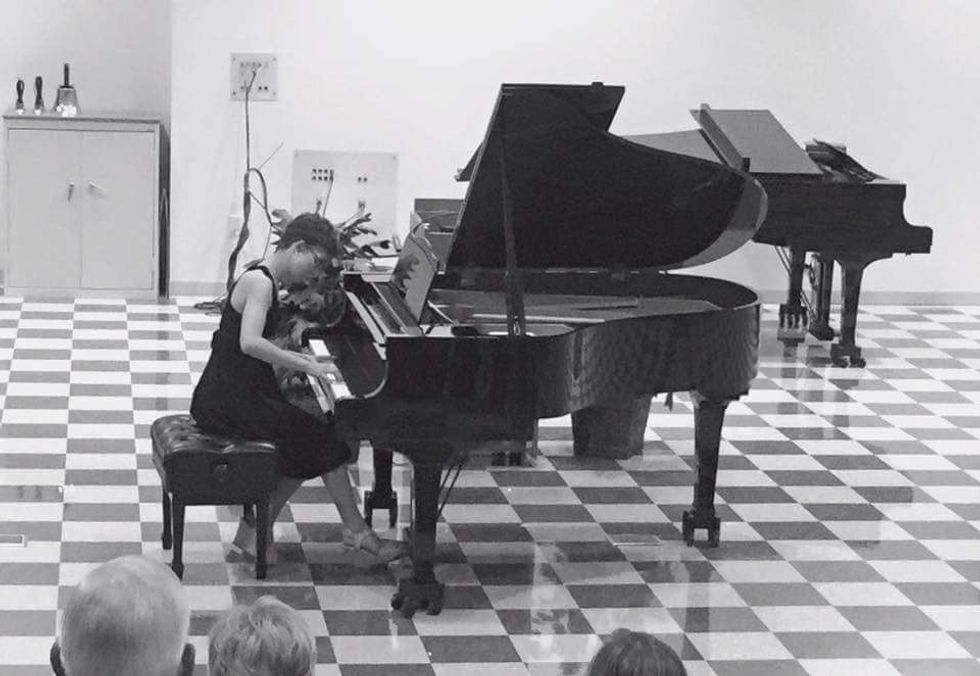
If you make a mistake while performing, you are taught to not make it obvious. The goal is to hide it if possible. You do not stop. You shouldn't start over. You keep on going. This rule means more to me than most. When life gets hard or you screw up, you keep on moving. You give a good smile, laughing to yourself or sometimes crying, and you pull through. There is no time or opportunity to stop in the middle of your piece. You are not given that option. You keep on moving. Get to the end. Finish well, blow the crowd away, and end it with a bow. Life is your performance. Don't let it end early.
These are simple lessons in music but hard truths in life. They give us a guide that's easy to read, and often times, difficult to carry out. I lean on these rules because I have found a double use for them. They dictate my passion and my relationships, two things I dare not give up or abandon.
















