
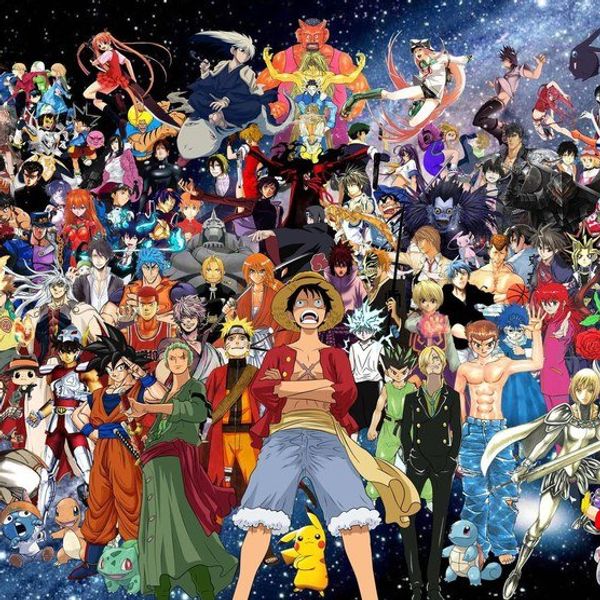

Characters in fiction can sometimes be more relatable and important to us than the people we know in real life. Obviously, this shouldn't be taken to such an extreme that we negate real life altogether—otherwise you wind up speeding away from Comic Con with a Deadpool cosplayer duct-taped to your moped. But as a medium in general, fiction does provide escape, and the characters who populate our favorite stories are able to enrapture us so because they've usually been tailored to be relatable people, starting out with broad archetypes or characteristics and gradually developing into their own person as the story unfolds. And that's what makes most stories so engaging, is watching these people develop as characters. Here are a few examples of characters who I relate to and who inspire me.
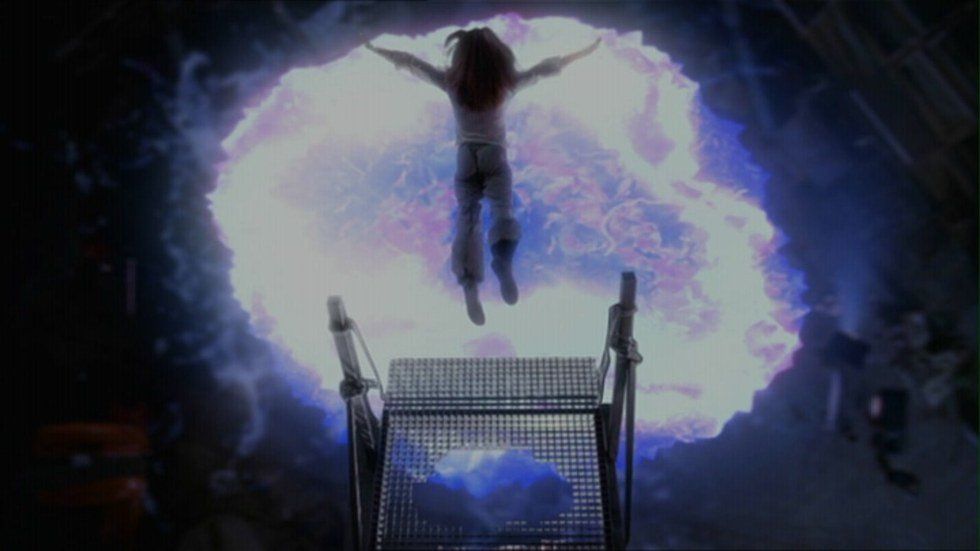
1. Buffy Summers, "Buffy the Vampire Slayer"

"Buffy the Vampire Slayer" is my favorite show ever and the primary draw for this is seeing Buffy Summers grow and develop into her own person, breaking out of her established role of "strong female character" and becoming a full fleshed-out human being, with all the flaws and nuances that that means. She's witty, sarcastic and isn't about to take anyone's sh*t. She's a fighter, true, but her character is both layered and relatable as a person, and that's very important. Often with leading ladies, I find that they're written to fulfill a certain breakout role; they eschew many human traits that society often associates with femininity so that the characters can perhaps appeal to a more general (read: Male) audience. Buffy doesn't do that. She begins the series like this, certainly, but one of the show's messages is that we shouldn't be confined by social expectation or tossed into labels, and Buffy herself throws off her chains that attempt to label her as progressive and just goes through her life as a person. I find her to be a great example of how a person is able to overcome such bleak odds and still come out alright; Buffy faces many challenges throughout the show, be it physical, mental, or emotional, and she works through these things and changes according to her own experiences, but in the end she still has her hope, she still has her friends (most of them, anyway), and she's brought hope and empowerment to the world.
2. Peter Parker, "Ultimate Spider-Man"
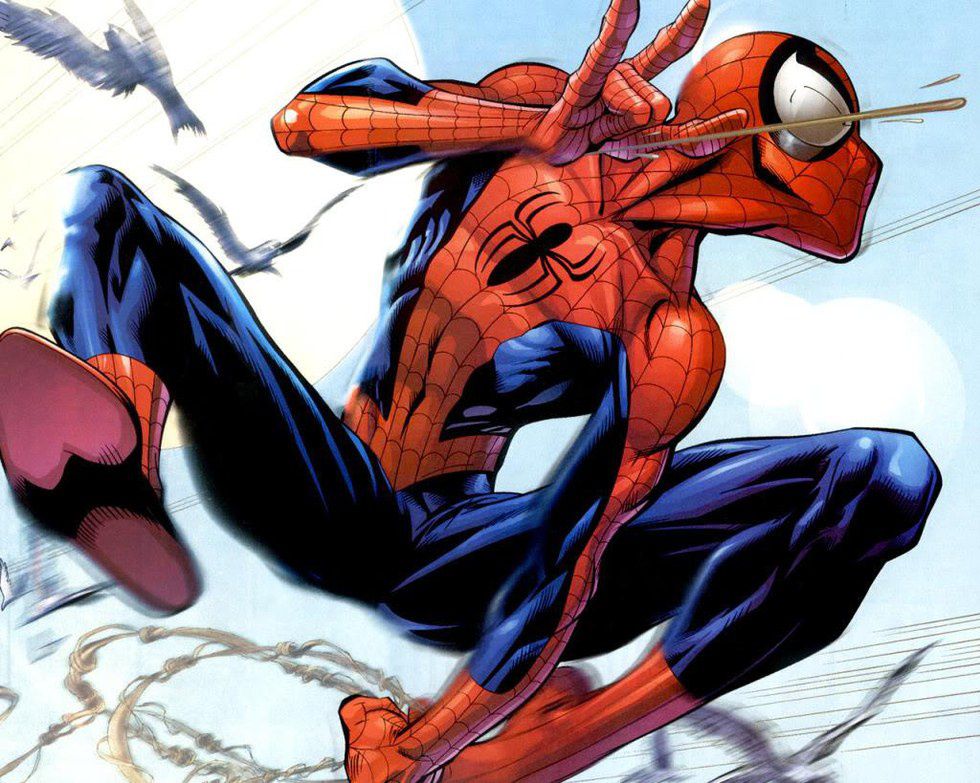
The "Ultimate Marvel" line began in 2000 as an attempt to reimagine the Marvel Universe for a new generation. Their first title was "Ultimate Spider-Man," and it quickly became one of the most acclaimed comic books of its time, often out-performing the long-running "Amazing Spider-Man" from the mainstream Marvel comic book world. The Peter Parker of the "Ultimate" book was a return to classic Spidey, stripped of all the baggage of continuity as per the "Ultimate" mission. He's now a teenager in high school and the comic takes us through roughly a year of Peter Parker's life in about 120 issues, and we see in all of that time a kid who is realistically growing and dealing with personal and emotional problems as well as facing down physical threats per superhero conduct. This Peter Parker is an engaging character in a different way than his mainstream 616 counterpart. While 616 Parker was slated as an adult in his late twenties in the early and mid '00s and so dealt with married life and was on a more coworker-based relationship with fellow superheroes, the "Ultimate"/1610 Peter Parker is still just a teenager, and he's thrust into this terrible world with pretty manipulative people on both sides and must find his own place amongst all of this. It's a coming-of-age story, and growing up with this as my Spider Man--that is, the Spider Man that debuted and ran concurrent with my generation--helped me to understand many teenage angst issues and defined a large portion of readers' experiences with comic books. While this Peter Parker is now dead and the Ultimate Universe gone (with some of its more popular characters getting merged into the mainstream), the impact that the book and the character had was a very important one.
3. Madoka Kaname, "Puella Magi Madoka Magica"

"Puella Magi Madoka Magica" was a 12-episode Japanese anime that debuted in 2011 to much acclaim. In fact, its success was such that, to some, it redefined the "Magical Girl" genre as it's known in Japan. I'm not an anime fan--I've only seen three anime, and "Madoka" is the one I like the most. I think what really helps this anime's accessibility for those unfamiliar with the genre is how it layers and explores its themes. The premise of the show is that magical girls fight witches, which are the embodiment of despair. The twist here though is that the witches are actually the magical girls themselves, those who have given into despair and are now tormented by it. Madoka the character is the most optimistic person in this world and by the end, she becomes hope itself, bringing light and closure to all the magical girls' fights against witches. In fact, she outright negates witches from ever existing, wishing through contract that no more witches should ever be. This is why I don't see "Madoka Magica" as a dark work. There are dark elements, certainly: Young girls having to make a contract to be a magical girl with a Faust-like being in exchange for one wish of their choosing has plenty of dark and macabre thematic material that is explored and twisted around on the show, but at no point does Madoka herself ever lose hope. Indeed, her happiness seems to be a kind of constant and tether for the rest of the cast; her friends Sayaka, Kyoko, and Homura all recognize and are drawn in some way to how Madoka wants to change how the magical girl system works in the world. Because it shouldn't be about despair, it should be about having nifty powers and looking badass and putting on cute costumes. That's how Madoka sees this whole magical girl thing, and to have her actually get that outcome at series' end is so satisfying to me, and it's one of the many reasons why I love both the show as a whole, and Madoka as the main characters, because this is all about looking at a hopeless world and being able to, through your own actions, change it, and that's an incredibly powerful and beautiful message, especially for a Japanese anime.
4. Liesel Meminger, "The Book Thief"

"The Book Thief" is the best book that I have ever read in my life. The themes of the book make it an intellectually stimulating read, but the sheer artistry of the language and imagery on display is masterful and wonderful to behold. The main character, Liesel, is hungry for knowledge; she loves to learn and she loves to read, and being someone who loves to do those things too, I was immediately drawn to this character. Taking place in Nazi Germany, things are obviously bleak and suspense is high throughout the work, but Liesel's ability to ground many of the other characters or find escape and hope in her reading makes her an incredibly engaging character for me. Liesel offers perhaps the best exploration of the perseverance of the human spirit. The narrator, Death himself, grabs hold of you from the beginning and shows you one of the darkest times in human history, and then illustrates that even during this time there are still genuinely good people out there, full of life and a desire to learn. The dichotomy between the technological advancements of WWII and the power and strength of words and ideas is striking; Liesel's naïveté is beautifully contrasted with that of Death's own, the one exemplifying the power of the imagination and hopefulness that people should maintain during tough times, the other grasping to understand how humans can be so cruel, yet also maintain such high spirits in the face of such savagery. Liesel's optimism is played straight in this book too, something that is perhaps being phased out in favor of a more cynical view of the world in today's literature.
Which characters do you find inspiring?
Further Reading
"Life Would Be Better With These Animated Characters"
"Why Do White People Hold Their Fictional Characters So Dearly?"
"A Point of View: Why do people relate to fictional characters?"
















