
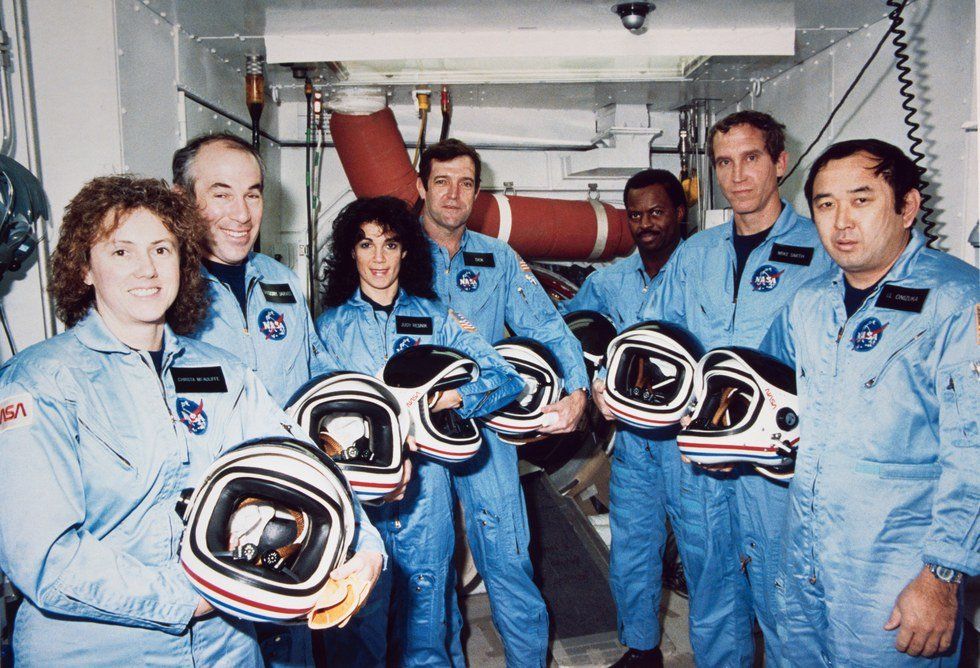
This past Thursday, Jan. 28, marked 30 years since the tragic explosion of the Challenger killing the seven astronauts on board. The cause of the failure and ultimate fate was from the Solid Rocket Booster’s O-ring. The explosion shocked and shook many individuals watching the launch, as it was on live broadcast, and changed the ways of NASA forever.
This catastrophe marked the first disaster NASA has ever had. But what is even more alarming than that were the consistent remarks from the engineers at NASA who tried to stop the launch, one being Bob Ebeling.
“It’s going to blow up,” Ebeling told his wife the night prior to the disaster.
Ebeling and the other engineers voiced their concern of the possible, or should be said knowing, explosion due to the unusually cold weather. The engineers knew the O-ring would degrade when launched. The low temperatures would cause the two seals of the O-ring to essentially unseal, resulting in hot gas to seep out causing an explosion once the Solid Rocket Boosters lit.

In fact, Roger Boisjoly, one of the engineers, predicted six months prior to the launch and explosion of the Challenger that there would be “a catastrophe of the highest order” including “loss of human life," written in a memo to the managers of Thiokol, a manufacturing corporation of rocket engines.
Though they expressed their concern and knowledge, backing up supportive evidence and data, NASA officials still pushed for it to be launched—costing the lives of seven.
Why were the NASA officials so eager to launch knowing this evidence? This year was huge for NASA as there was, at least, one launch once a month—was it to keep up with this trend? Was the potential loss of human life reasonable to keep up with the amount of launches that were occurring? The engineers were well-respected, honorable individuals. Why were their voices not considered, and why wasn’t the launch postponed a day or two, which was capable of doing?
“There was more than enough [NASA officials and Thiokol managers] there to say say ‘Hey, let’s give it another day or two.’” Ebeling said to NPR. “But no one did.”
Ebeling has been filled with remorse and depression since the explosion, and to this day, he still blames himself for it. He finally identified himself to the world through NPR marking the anniversary of the Challenger explosion.
“NASA ruled the launch,” Ebeling said. “They had their mind set on going up and proving to the world they were right and they knew what they were doing. But they didn’t.”
His consistent contemplations and repentance circled around the perspective that he should have expressed and shown more data, that he should have argued the evidence more. The presentation that was to be given to NASA officials and Thiokol managers was in such a short time frame that there was no time for a dry run to test the theory. The group rambled to find evidence to present. Now over 30 years later, he still mourns over the loss of those gone.
Ebeling is a religious man and has prayed about the circumstances since the explosion occurred.
“I think that was of the mistakes that god made,” Ebeling told NPR. “He shouldn’t have picked me for the job. But next time I talk to him, I’m gonna ask him, ‘Why me. You picked a loser.’”
Shortly after the explosion, Ebeling went into retirement. He has never been able to overcome the deep emotion felt with the tragedy. And I don’t blame him; how can one triumph such a burden?
If Ebeling was to ever read this article, I would want him to know he is a well-respected individual and is thought highly of to individuals around the world. He, along with his fellow engineers, stood strong with his beliefs and put his foot down to officials when he knew something was going to go wrong—complete and utter tragedy.
And though he presented evidence and data that could have ultimately reverted the fate of those lives lost, the dark conversations that resulted into full-blown disputes, he still blames himself.
And that right there is a strong, courageous and full-hearted man.
I would want him to not grief over his own occurrence, as he did the best he could, but to grieve the lives lost and that alone.
An honorable man ridiculed for a period of time until evidence and proof were given for his assumptions. To think working as an engineer for NASA and being turned down for something so catastrophic would be condoned.
To think these engineers could have saved the lives of those seven people if only someone would have listened and aborted the mission.
In a past interview, Boisjoly told NPR how they did all that they could.
“We were talking to the right people. We were talking to the people who had the power to stop that launch.”
“Maybe, maybe [Boisjoly’s] right,” Ebeling said.