
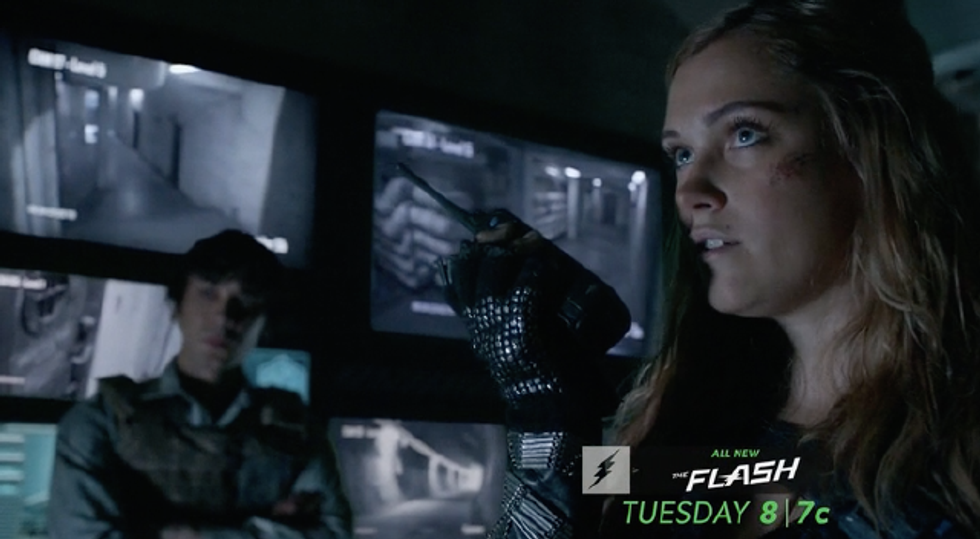
I can't say it enough times. I've said it to my friends, to strangers I've only just met, to my sisters: Watch The 100. Most of the time, I have to give a rationale - to present evidence, as it were. Before I present that evidence here, a quick summary, and a quick warning: "The 100," which airs on the television network The CW and was renewed for a third season in January, is a post-apocalyptic drama set both on Earth and in space. It's awesome. Here are some spoiler-full reasons why.
1. Bisexual female lead.
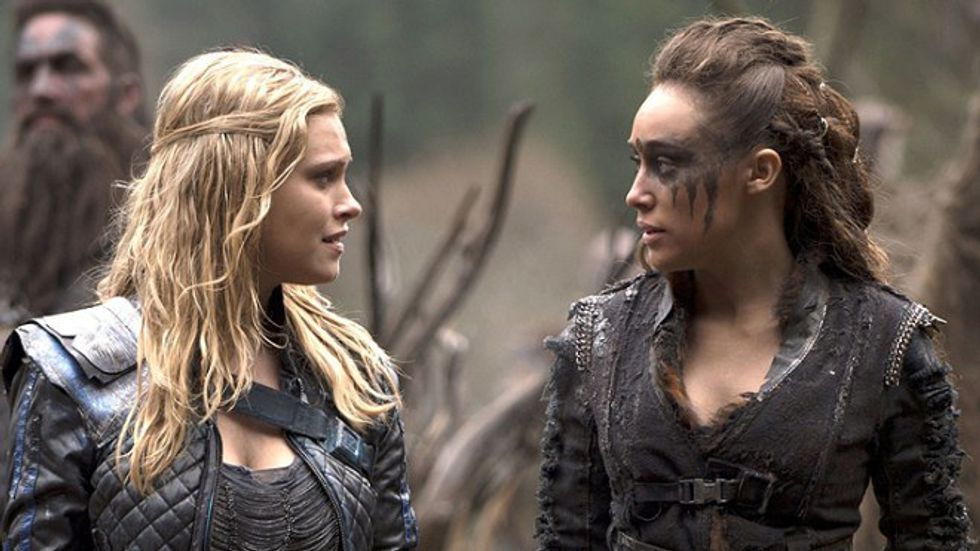
Clarke Griffin, the woman on the left, is the central character of "The 100," even though the story shifts perspective constantly. Though the show had, in an earlier episode, introduced a lesbian character in the tribal leader Lexa, Clarke is the first canonically bisexual lead hero to appear on a CW show.
2. Women in power.
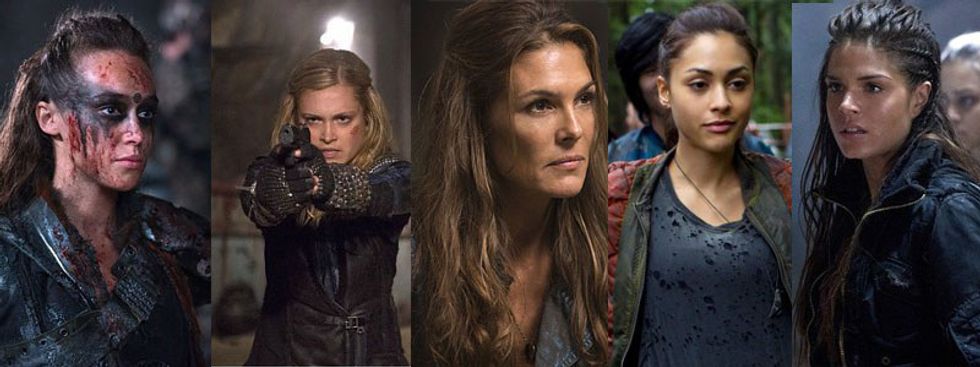
There are so many women on this show that I don't even know where to begin. The tribes on Earth that did not evacuate the planet for space are heavily matriarchal, with young women as their leaders. Clarke, the protagonist of the show, is the leader of her own group of peers, and surrounds herself with intelligent, flawed women.
3. Characters of color.
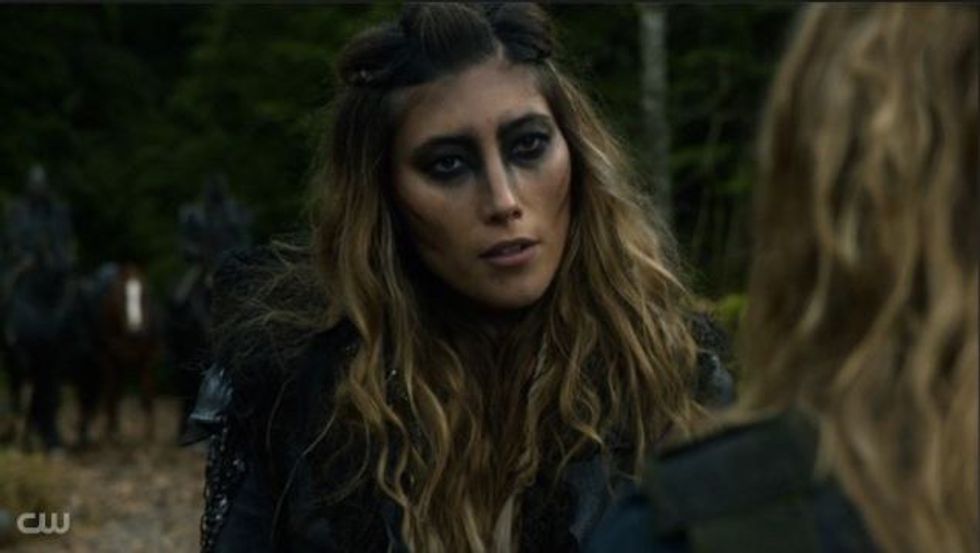
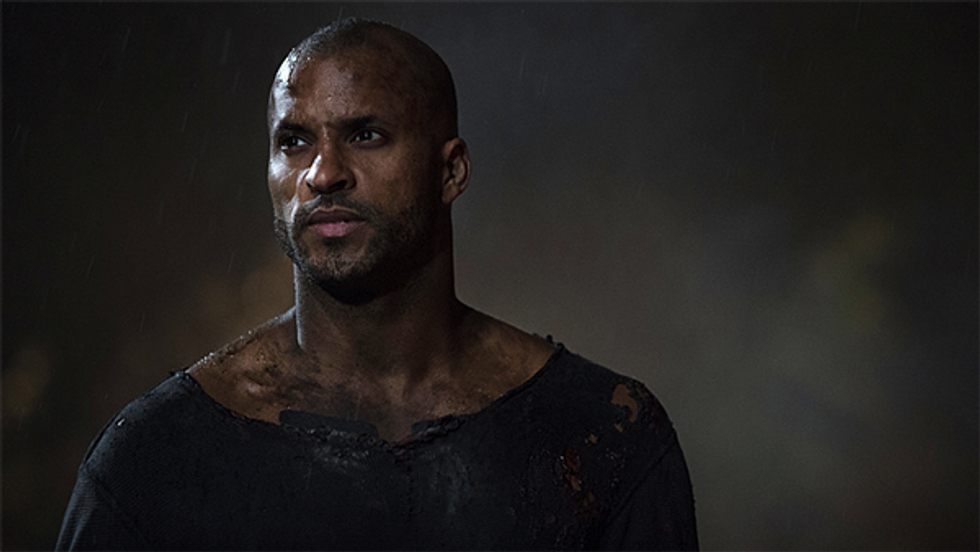
4. Lead characters of color.
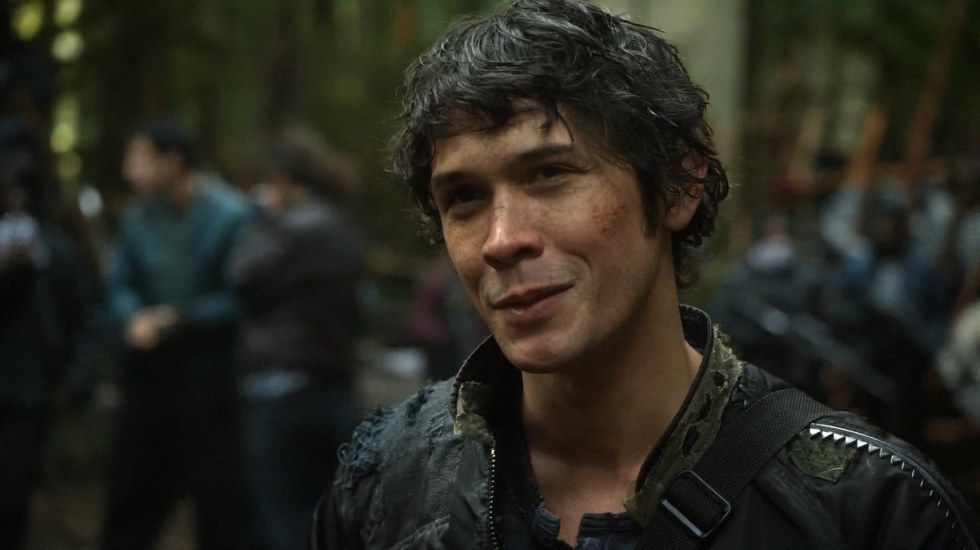
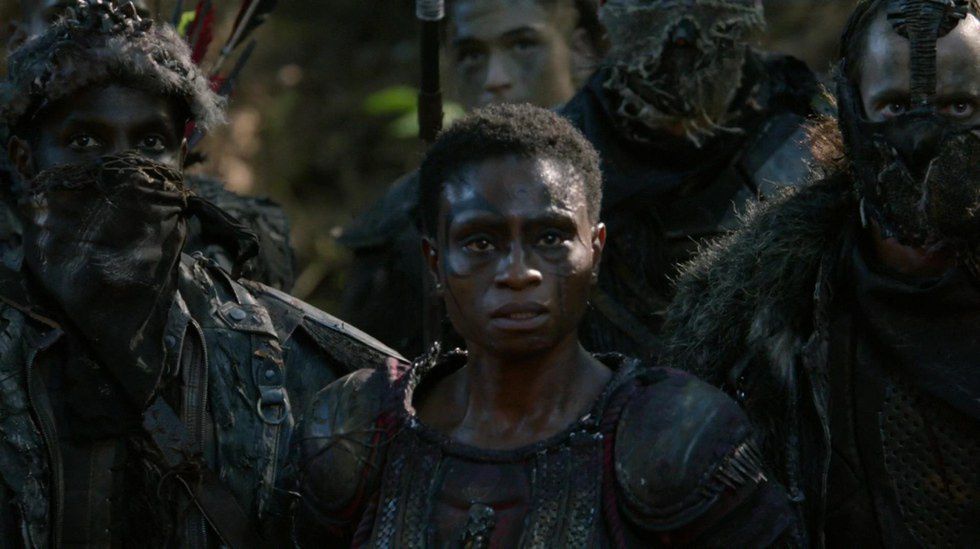
Because of the nature of the narrative in "The 100," many of the minor and supporting characters at some point become major characters for a handful of episodes. The characters of color shown above are all fairly important characters in the show. That being said, the other main protagonist of "The 100" is Bellamy Blake, Clarke's right-hand-man and co-leader. Australian actor Bob Morley is of Filipino descent.
5. No tiptoeing around trauma.
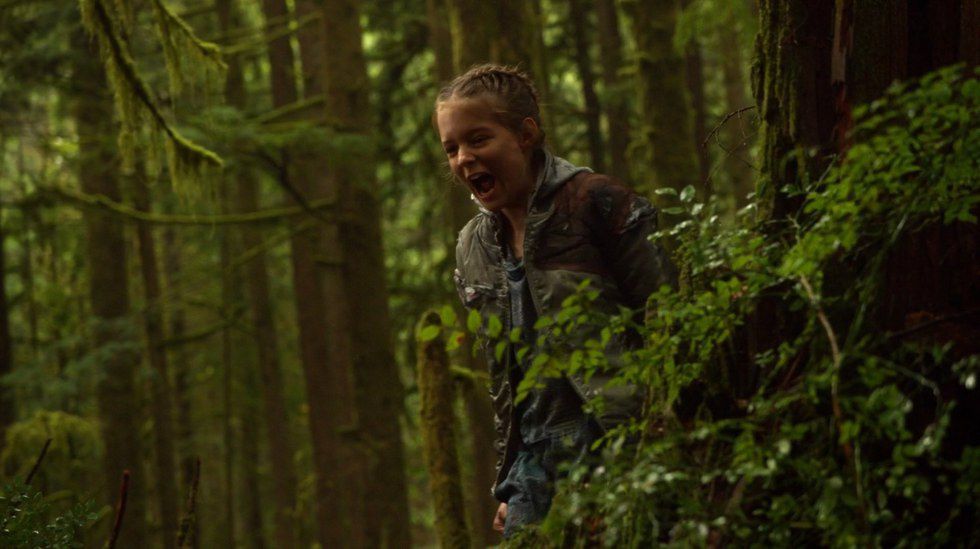
In one of the most powerful episodes of "The 100," a young girl named Charlotte tells Bellamy that she has nightmares about the powerful father of one of her peers. Bellamy gives her a knife and tells her to stand up to her fears, unknowingly giving her the courage to kill the peer who caused her nightmares. When blame and guilt finally overwhelm Charlotte, she kills herself by jumping from a cliff.
6. But at the same time, accurate teenagers.
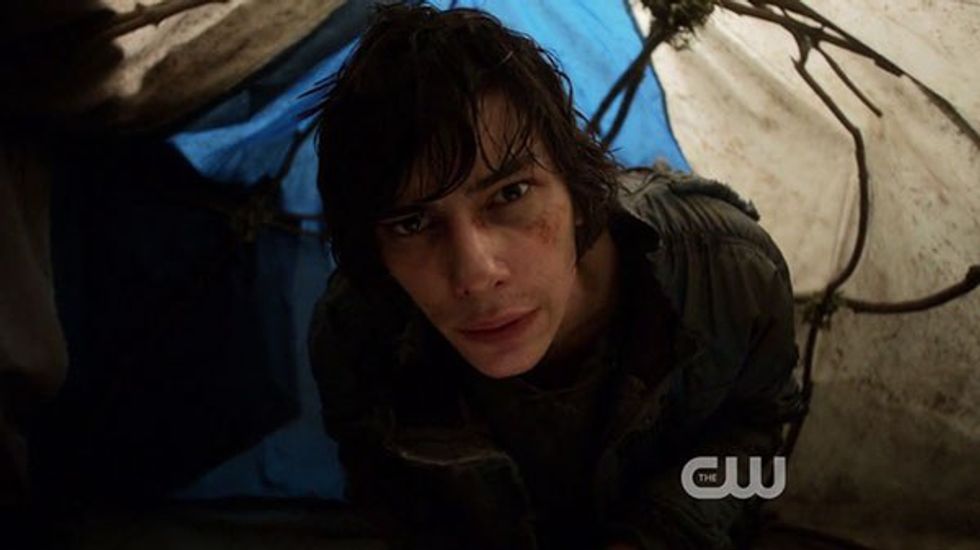
Four episodes later, the camp full of hungry teenagers gorges on hallucinogenic nuts, a.k.a. they all accidentally get high. "You are the most beautiful broom in a broom closet full of brooms," is a line that is actually spoken from one human being to another.
7. Cool costumes and world-building.
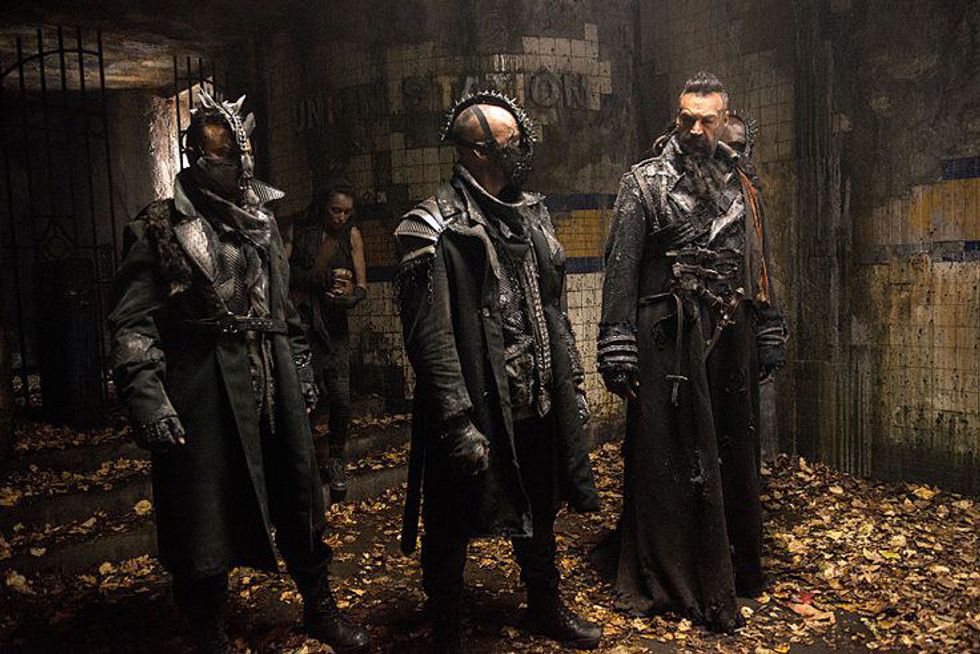
Because of the post-apocalyptic setting, a lot of the world of "The 100" is taken in bits and pieces from the old world. Tires become armor. Car parts become weapons. A character named Lincoln is named so because he was born near the Lincoln Memorial. His home village is called TonDC, which used to be Washington D.C.
8. Character development.
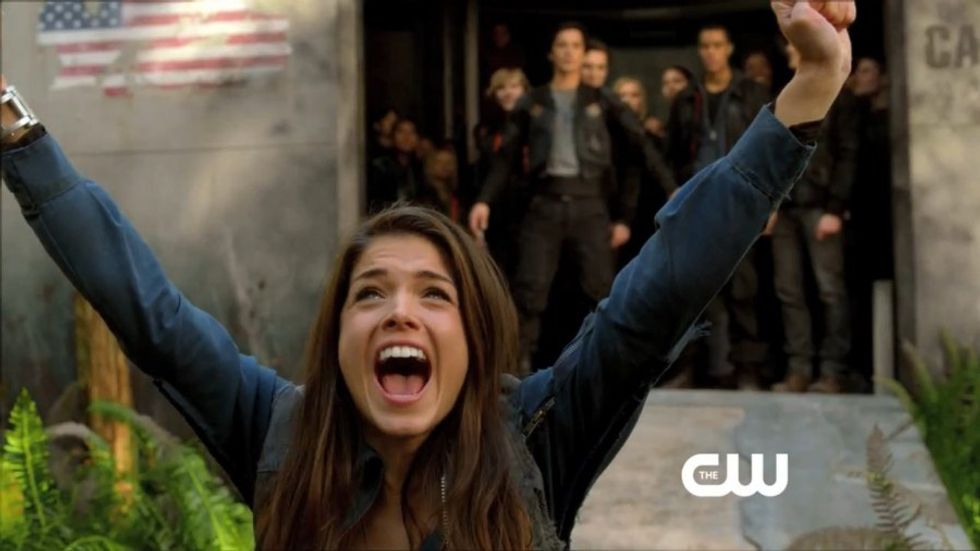
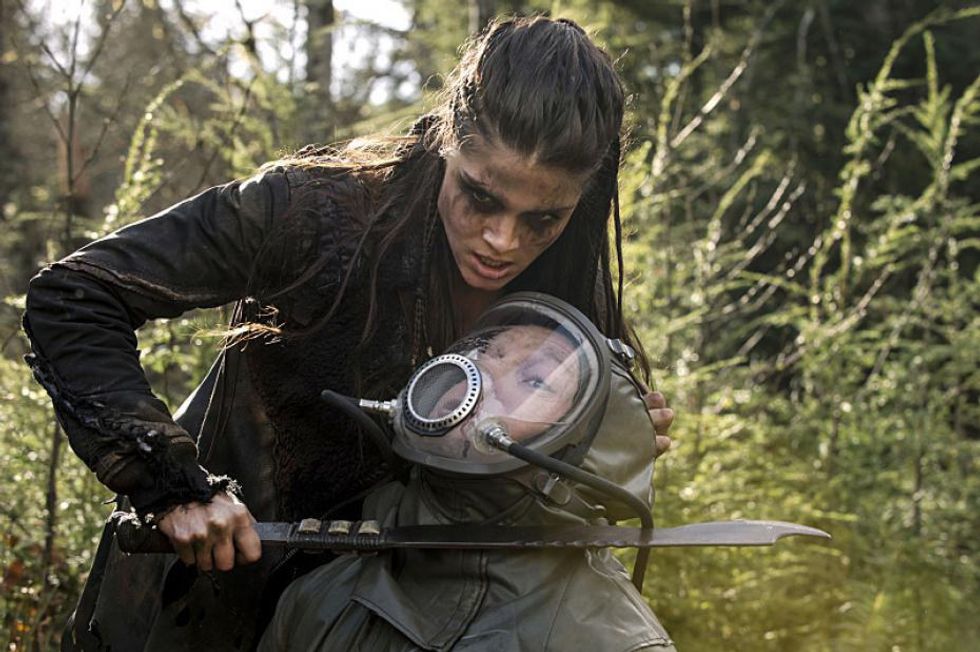
Octavia Blake, Bellamy's younger sister, undergoes one of the best character arcs I have ever witnessed in my entire life. She starts off as a popular but brainless girl who flits from boy to boy and is determined to enjoy her time on Earth. Then she meets the aforementioned Lincoln, falls in love with him, and joins his tribe, training until by the end of season 2, she's a completely different character altogether.
9. Redemption arcs.
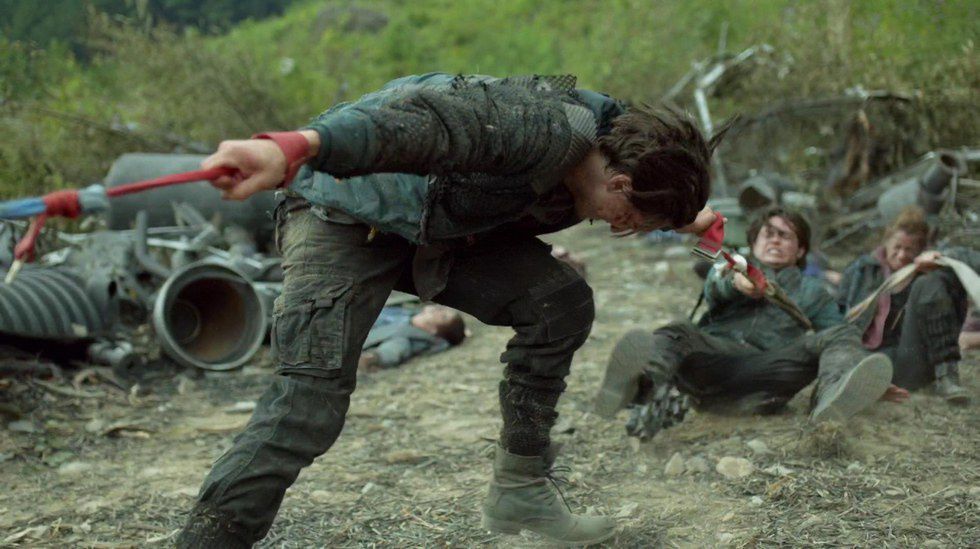
If you watch "The 100" from the beginning, you may notice something interesting. I've said enough, so far, that makes Bellamy seem like a protagonist. He is. After about the seventh episode of season 1. Before that, he actually spends quite a bit of his time as an antagonist, but in the traditional vein of "The 100," once his rationale makes an appearance, he becomes much more sympathetic.
10. Accurate depictions of teenagers just trying to survive.
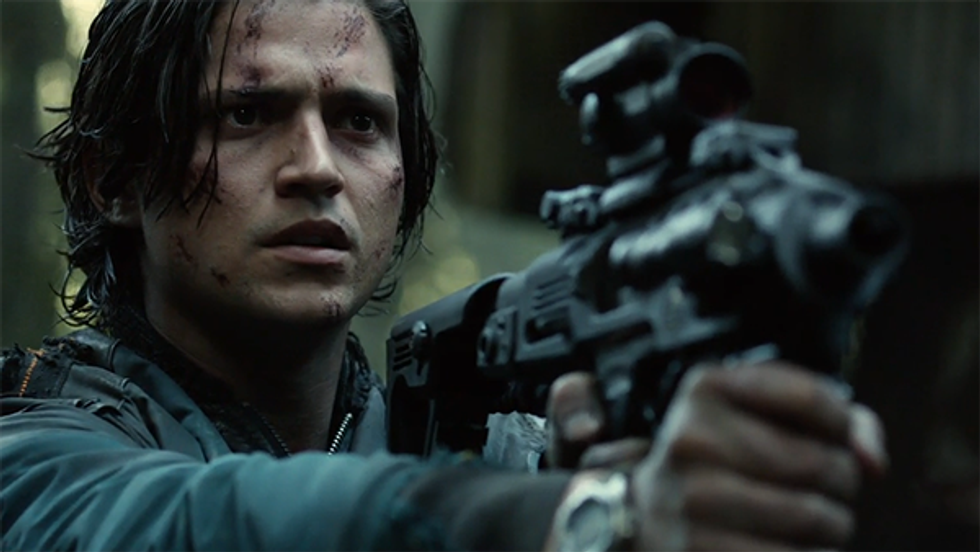
The entire premise of the show is that a generation after nuclear war laid waste to Earth, the people who had evacuated to space stations send 100 juvenile delinquents back to Earth to see if it is finally habitable again. 100 teenagers then discover that Earth is not only habitable but also inhabited by warring tribes and communities who do not want another group of people around.
11. It's unashamedly dark.
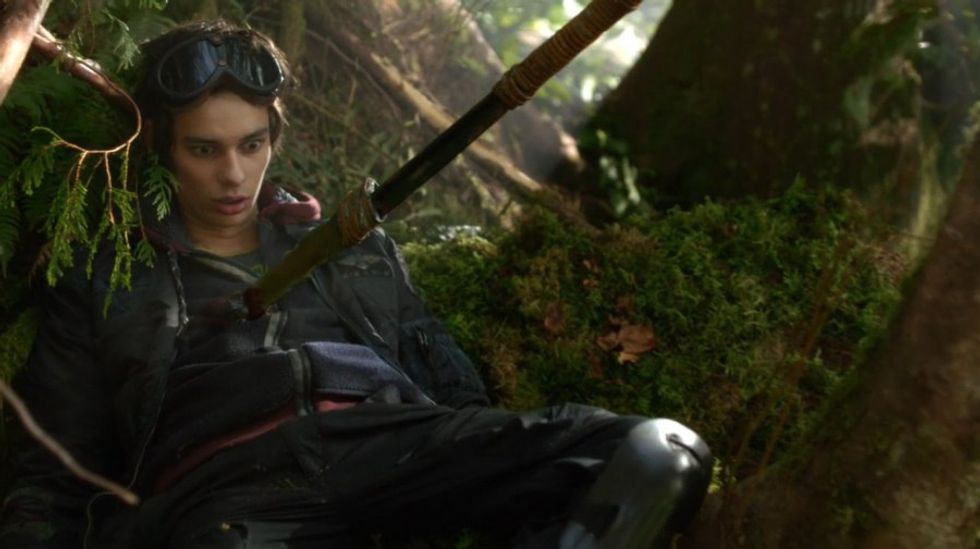
People die. A lot. For a show that appears on network television, it's shockingly graphic. At the same time, though, nothing is unnecessary. If violence happens, everyone feels the consequences. When genocide occurs - no exaggeration, two people commit genocide - the repercussions are shown in every character.