When I first began reading the Harry Potter series during the summer before 6th grade, I was merely following my older brothers’ recommendations. I soon realized that something about these books was magical in the most muggle way possible. With every book, J.K. Rowling brought more depth, complexity and wonder. Years later, I am still encountering new insights about the symbolism and deeply spiritual lessons that one can find in this epic series.
What saddens me is that, in some conservative Christian circles, adults and children alike are missing out on all that Harry Potter has to offer, due to the strict aversion to anything witchcraft-related. No offense to those who hold that view, but it doesn’t take long upon reading these books to see that witchcraft and wizardry are simply the means Rowling uses to teach us invaluable lessons and to tell one of the most beautiful stories of all time. And besides, spells and potions are pretty cool.
So, selecting just a few of the countless lessons taught in these books, here is why my (future) children will be reading (before watching) Harry Potter:
1. Friendship is all-important.
 https://www.pinterest.com/carfiori/potterlove/
From their first shenanigan together (taking down a troll) to their final endeavor in defeating Voldemort (hunting down Horcruxes), Harry, Ron and Hermione epitomized the value of friendship. No matter what life threw at them, they knew that the deep love and devotion they had for each other would be enough.
2. We cannot dwell on the past.

http://theyearofwritingdangerously.blogspot.com/20...
“It does not do to dwell on dreams and forget to live” - Albus Dumbledore.
Dumbledore helped Harry through his grief, teaching him that it is good to grieve, but that we cannot hold onto the past forever. We must not be defeated by our sorrow and hardship, but must keep living our lives resiliently.
3. Befriend the other.

https://www.theguardian.com/stage/2016/jul/27/harr...
"So show your love for the alien, for you were aliens..." Deuteronomy 10:19
The touching friendship of Albus Potter and Scorpius Malfoy in Rowling's newest addition to the Harry Potter world exemplifies the concept of love for the alien. Scorpius was ostracized by all of his peers and much of society, and Albus was an outcast amongst his own family. Based on their backgrounds, they should not have been friends. The way that they cherished each other and ignored the barriers that the world told them to put up is, to me, deeply biblical and political. We could all learn from their full acceptance of each other.
4. God uses the weak.
http://www.dallasobserver.com/arts/book-versus-fil...
“God chose the weak things of the world to shame the strong.” 1 Corinthians 1:27.
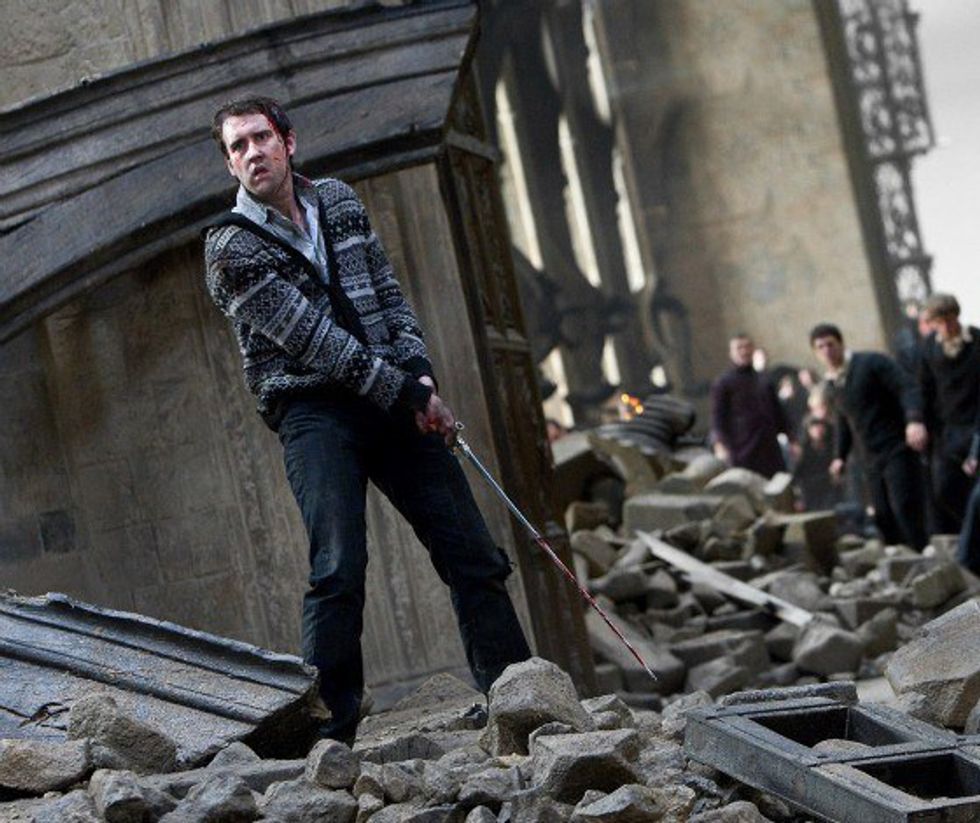
Neville Longbottom was the awkward, nervous boy who never seemed to be taken seriously. Besides his recognition for a courageous act in the first book, he was seen as, at most, a nice guy. But at the very end, when the battle was raging and Voldemort had to be destroyed, Neville showed up with a sword and destroyed Voldemort's last chance at immortality. It was perhaps the single bravest act in the series, and it came from someone completely unexpected. I like that.
5. People are often mean because they are hurt and lonely.

http://www.fanpop.com/clubs/draco-malfoy/answers/s...
“I always envied you them, you know—Weasley and Granger…You—the three of you—you shone, you know? You liked each other. You had fun. I envied you those friendships more than anything else...And being alone—that’s so hard. I was alone. And it sent me to a truly dark place.” - Draco Malfoy, speaking to Harry Potter.
Draco unexpectedly poured out his feelings about his childhood and adolescence in "Harry Potter and the Cursed Child." Draco Malfoy is one of the several characters whom Rowling tries to evoke some empathy for. Anyone could tell he was a jerk, but the story goes deeper to show that (almost always) mean people are just hurt and lonely people.
6. Don't let labels define people.
http://mobsa1.deviantart.com/favourites/48379619/O...
“You were named for two headmasters of Hogwarts. One of them was a Slytherin and he was probably the bravest man I ever knew.” - Harry Potter, speaking to his son, Albus Potter.
Harry's son, Albus, was afraid of what would happen if he obtained the "bad" label of Slytherin. In one of the most beautiful lines of the series, Harry bent down and reassured his son that names and categories placed upon people do not determine who they are. Different is not bad.
7. Learn someone's story before making judgments.
http://segunda-dosis.livejournal.com/63121.html
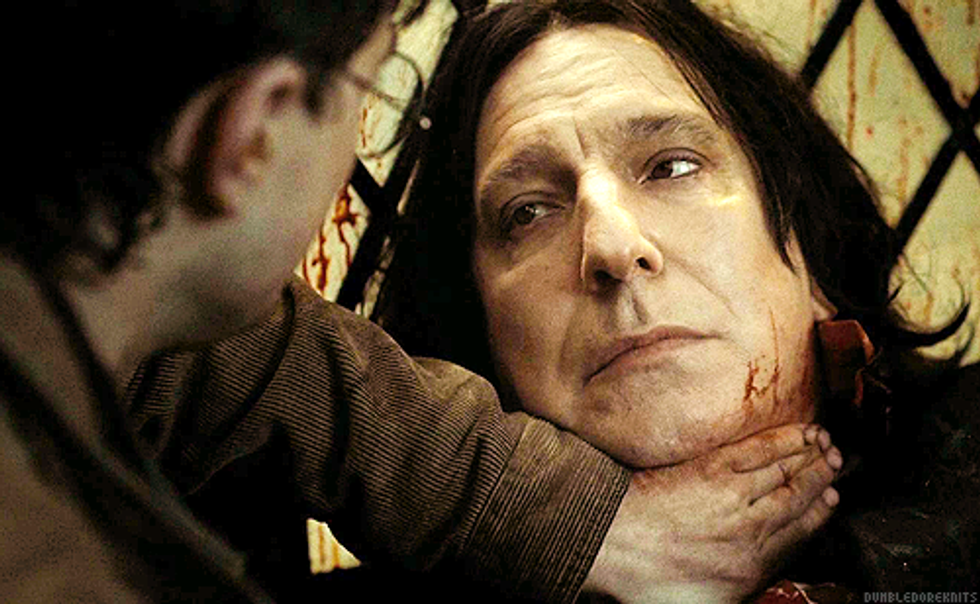
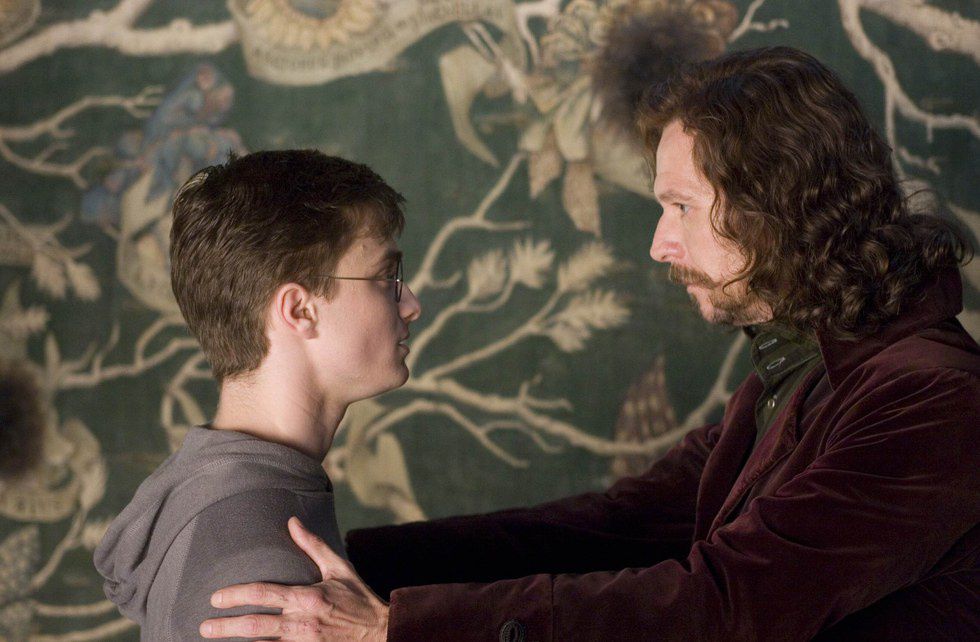
Sirius Black was not a crazy murderer; and Severus Snape turned out to be a heartbroken and extremely noble hero. How often do we make assumptions about people without learning their past?
8. Love your enemy

http://www.keysmashblog.com/fleet-week-harrydraco-harry-potter/
“Love your enemies, bless those who curse you, do good to those who hate you” (Matthew 5:44)
I can find no better illustration of this verse being put into practice than the moving scene in which Harry saw his nemesis, Draco Malfoy, struggling against the flames of a burning room, and decided to risk his own life to save Draco's. After all of the pain and anger that the two had caused each other, Harry still chose to do good to his enemy.
9. Be there for those who are there for you.

http://www.imdb.com/media/rm3685189376/rg40344064
Loyalty should never be a oneway street, and Rowling shows this most wonderfully with Hagrid and Harry's relationship. From the start, Hagrid was always looking out for and supporting Harry. Harry, of all people, could appreciate the idea of someone caring for him, since he had never experienced such a thing in his life. Whether it was going to Hagrid's hut for tea or protecting him from getting punished, Harry was loyal to Hagrid because Hagrid was always loyal to him.
10. Sometimes doing the right thing goes beyond the law.*
http://harrypotter.wikia.com/wiki/Cornelius_Fudge
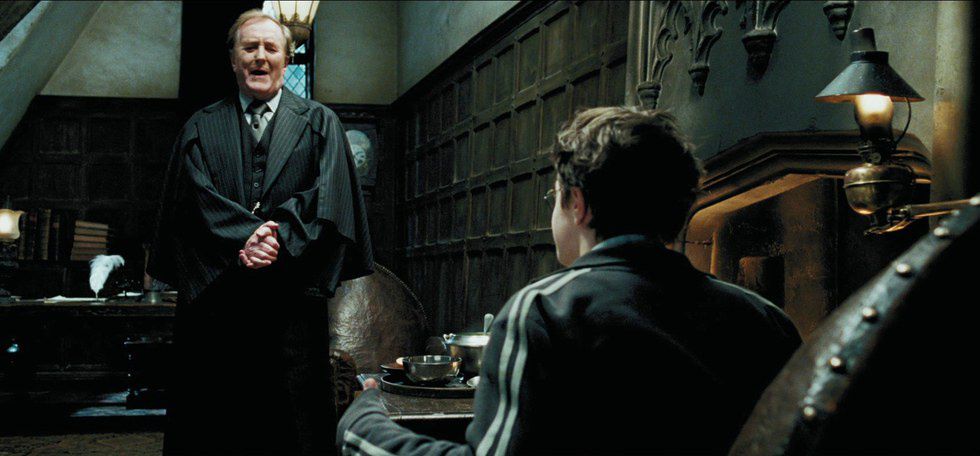
The cliche, “question authority” has some validity after all. Harry, Ron, and Hermione broke the rules countless times in order to work toward the greater good. In every book, the 3 of them took risks by breaking Hogwarts rules, and even a few Ministry of Magic laws. When the Prime Minister refused to acknowledge Voldemort's return, Harry and his comrades, instead of blindly submitting to the government, continued fighting against the dark side.
(Political/religious aside: There are times in which the governments and rules of this country or world may be contrary to the convictions of my heart and conscious. In those cases, I believe God's law trumps man's law.)
*Thanks to my good friend and fellow Harry Potter fanatic, Tessa Masula, for the general idea for this one.
11. Good triumphs over evil.
http://mngeekramblings.blogspot.com/2011/11/harry-...
“And we know that for those who love God all things work together for good, for those who are called according to his purpose” (Romans 8:28).
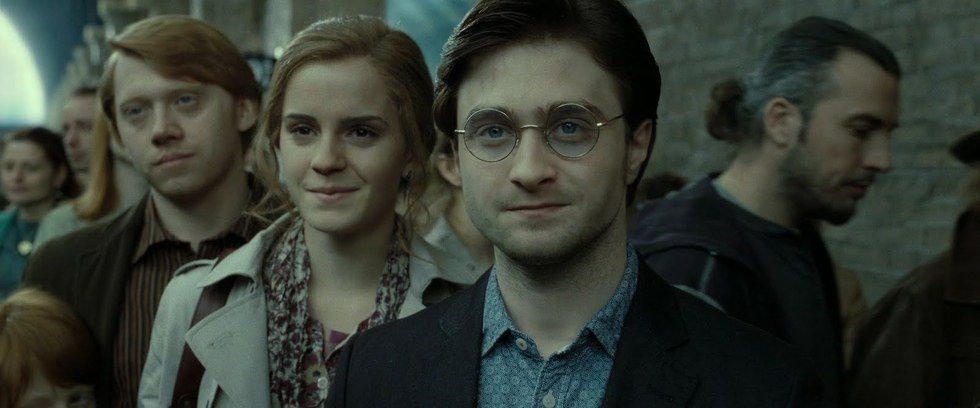
All of the people fighting against Voldemort loved goodness, and pursued it until the end, no matter what the cost. Many sacrificed their lives, knowing that what they were dying for was bigger than themselves. Much was lost in the struggle, people went through pain, and evil put up a strong fight. But in the end, good prevailed.
Thank you, J.K., for the gift of your lifework. Thank you, God, for J.K. Rowling.