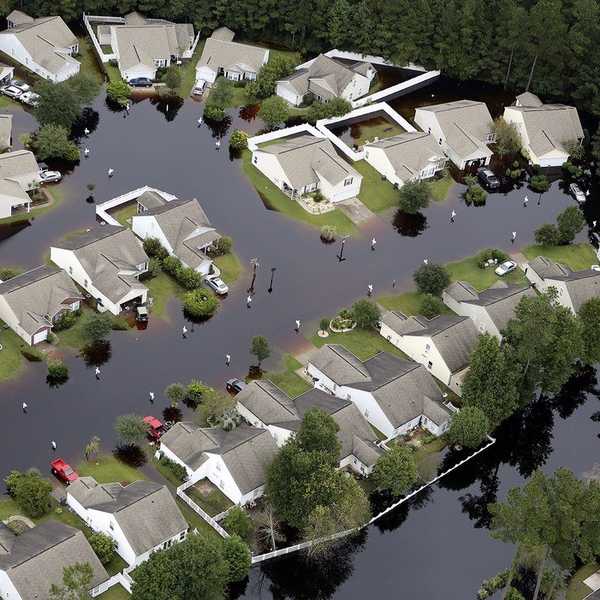
Ten years ago, on August 29th, Hurricane Katrina struck the Gulf Coast, earning the title of costliest disaster and one of the five deadliest hurricanes in United States’ history. I was starting my sixth grade year and excited to have a few days off from school because of the storm. I helped my mom move all of the beach stuff into the garage at our house on Mobile Bay, and watched my stepdad board up our windows.
When I woke up on the morning of the 29th, the power was already off. It was hot and still inside our boarded up house, but the winds were starting to howl and the bay was rising outside. My family and I spent the long day around the dining room table, alternating between playing Monopoly and checking the level of the tidal surge outside in our backyard.
After Katrina moved on, our power was out for about four days, many roofs had leaks and numerous trees were down. The remnants of what had formerly been our neighbors' piers and boathouses were piled high on our beach, left behind by the receding tides, but there was no real damage. We got lucky.
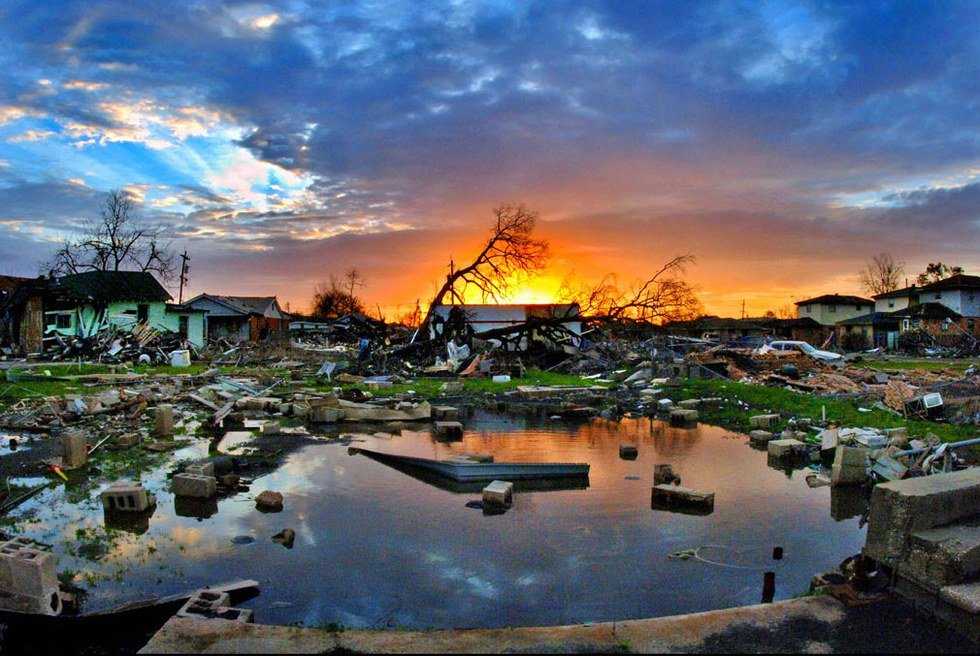
Instead of going right up Mobile Bay as had been earlier projected, the storm turned and went straight for New Orleans. When the power was finally restored, I was shocked and saddened at what I saw on the television. New Orleans, easily my second favorite city after my own, was completely transformed. Homes, shops, restaurants, everything was destroyed. I sat transfixed to the tube. Since we lived so close to New Orleans, my mother and I would take trips there several times a year. I struggled to recognize any landmark that was left standing, but failed. The city I knew and loved was mostly gone.
When school finally started back again, we had new kids joining us: refugees. Their homes and possessions had been flooded, demolished, or simply washed away. Some did not even know what happened to their homes because their family had not yet gone back to check. Everything was uncertain and their lives were completely changed.
Meeting these kids made me realize that none of us are invincible. Just like them, my life could be changed in a second. We were asked to donate our clothes, toys and school supplies for them and I did. But how could my old hoodies and jeans replace what had been their own, just a week before? How do you start all over again? How could these kids rebuild their lives in a new place? The kids who were refugees at my school were definitely some of the bravest people I have ever met. They never questioned, cried, or complained.
There are many lessons we can learn, looking back on Hurricane Katrina. We need to understand the fragility of the material possessions that we have, because they can all disappear in a minute. We need to appreciate what we have while we have it. Even more importantly, we need to realize what really matters, when and if all of the “stuff” is gone.
In the face of disaster, it becomes obvious that the truly valuable parts of our lives are our family, friends and our health. As long as you still have these three, you have the ability to start over and build a new life that is good again, even in a new place.