

Globalization is making our world a much smaller place; the fastest way to cross the ocean used to be in an airplane, and now, it’s in your computer. But with this increased connectivity comes an increased need for intercultural communication. The era of the isolationist America that doesn’t need to learn any language other than English is over; it’s been a long time coming, but now, being able to speak at least two languages is almost non-negotiable. And we’re not talking about our “refined” skills from four years of goofing off in high school Spanish, we’re talking real bilingualism.
Maybe you want to learn a second or third language but you don’t have enough time in your schedule to add any more classes, not to mention the money it would cost. Never fear! With the crazy amount of online resources we have access to today, you are extremely capable of teaching yourself another language cheaply and easily. Here are the 10 best ways to learn a new language:
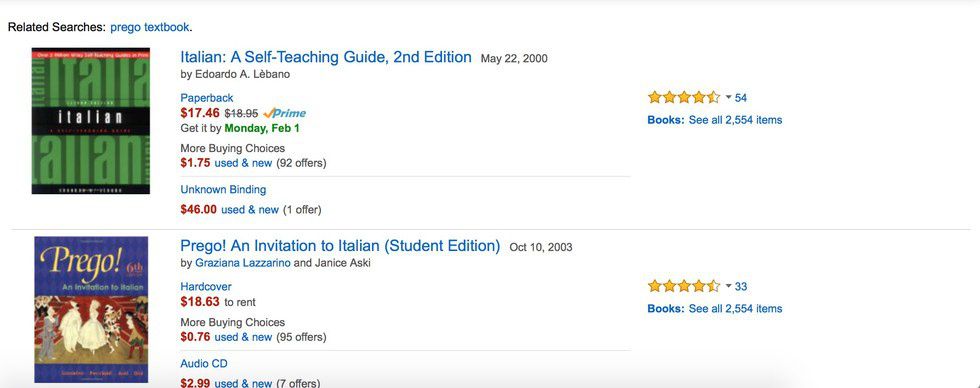
1. Buy a beginner textbook
You can't run before you walk, and you can't walk before you crawl. Starting
to learn the grammar and pronunciation of a new language is probably the most difficult part; a textbook will get you started crawling with the basic knowledge so that you can eventually get running with your
immersion. You can find plenty of relatively cheap ones on Amazon.
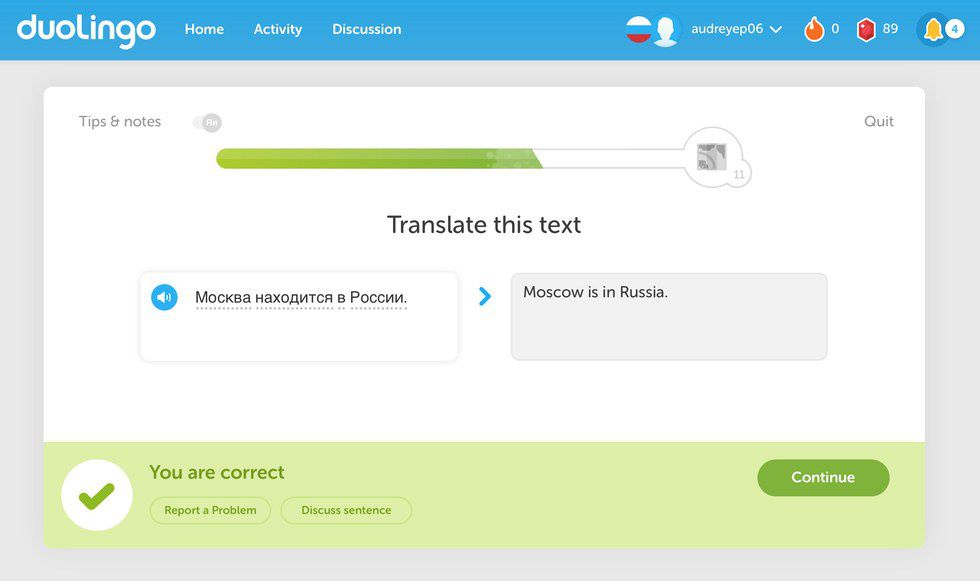
![]() 2. Duolingo
Duolingo is an amazing website and phone app that takes you all the way from basic phrases to the really complicated stuff in a wonderfully user-friendly and aesthetically pleasing program. You practice everything, including reading, listening, writing, and speaking, without even realizing that you’re putting in effort, because it’s that fun. Although it’s not the best at giving you conversational immersion, it is still by far the best way to become proficient, AND IT’S FREE.
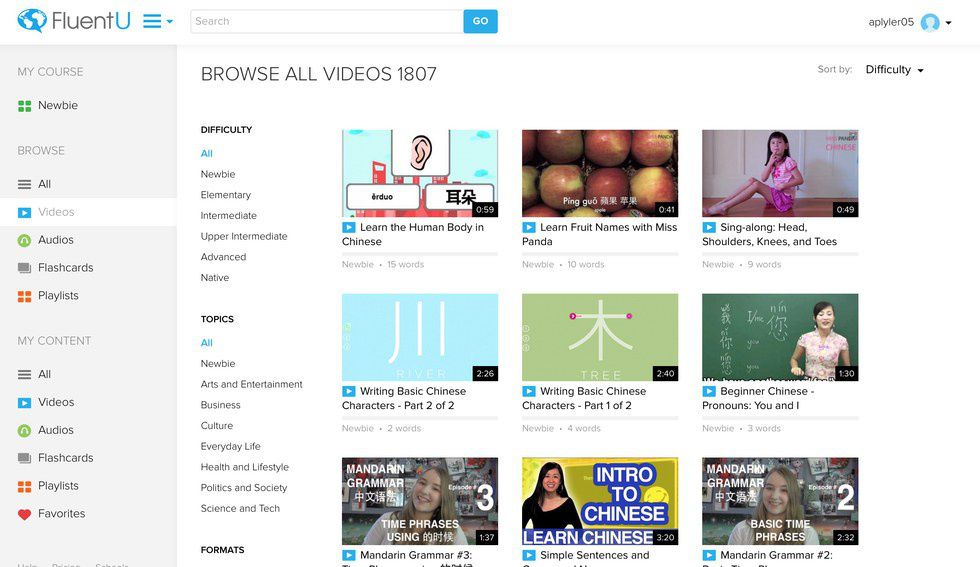
3. FluentU
Fluentu is a website like Duolingo, but it’s more focused on teaching you conversation skills and colloquialisms; it does this by giving you unlimited access to short videos on all sorts of topics which you can watch to improve your comprehension. The only downside is that the free version doesn’t have access to the word-for-word translations of the videos nor the online flash cards, so you’re kind of on your own as far as spelling and grammar are concerned. In my opinion, it’s not worth the purchase for a subscription; I would just use the free version to supplement the cheaper options.
4. YouTube
Surprisingly, YouTube is a great place to learn a language. There is no limit to the videos you can find in your chosen language. No matter if it’s Gaelic or Swahili, someone has made a video about it. My favorite thing to do is find comedy channels from the country (or countries) that speak the language, because they usually have short videos that can teach you slang, idioms, and unique things about their culture, all the while making you laugh.
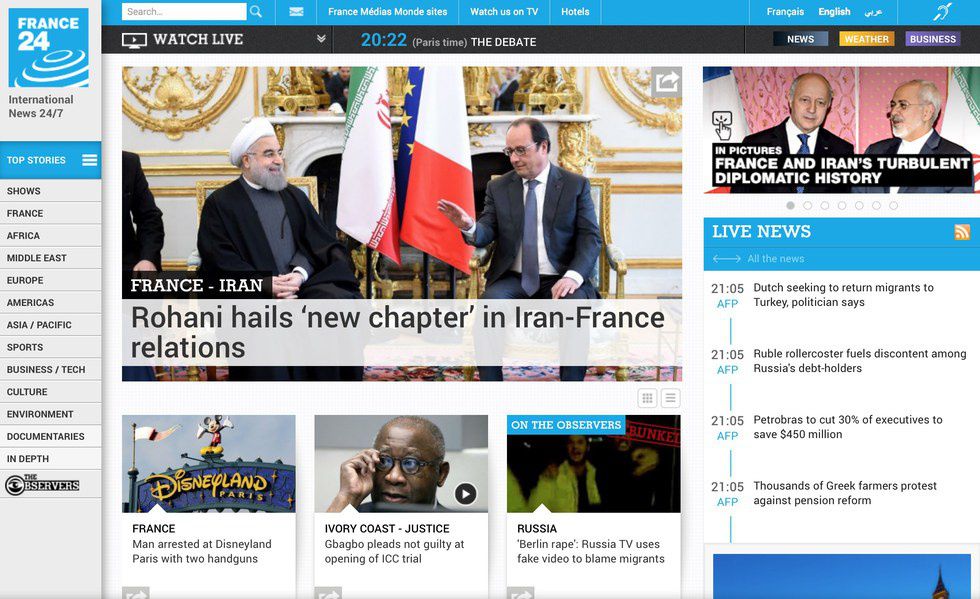
5. The News
Every country has a news channel, no surprise there, but you can utilize almost all of them online to either read articles or watch video clips of their updates, if available. It’s an amazing way to stay informed and practice your comprehension at the same time.
6. Netflix
While Netflix doesn’t always have the best selection of movies, it usually doesn’t disappoint with international films. Just go to the International category, find the subgenre that fits your language, pick a movie, sit back, and relax. Subtitles are not encouraged, but can be helpful to boost your confidence when you're just starting off.
7. Good ol' fashioned pages
Don’t underestimate old-school learning. Just reading a book in a different language can really reinforce your comprehension and improve your vocabulary. I suggest finding a book that was originally published in that language, because translations are not always trustworthy. Although, If you would rather read something more familiar, you can find the entire "Harry Potter" series in almost any language on Kindle and Amazon and it is always just as good as it is in English.

8. Podcasts
Sometimes a quality podcast is hard to find, given the fact that everyone is at a uniquely different level in their language learning process and what may be good for others might not be good for all. However, sometimes you get lucky and find a podcast that really helps. You can listen to them in your car and get your practice in while driving to work or just doing errands.
9. Rosetta Stone or Babbel
Rosetta Stone and Babbel are probably the two most renowned programs for language learning; they are also the most expensive (Rosetta Stone by far). I have tried both of these methods, and while you can be sure that you will thoroughly learn the language by dropping $500 on Rosetta Stone or paying $12.95 a month for Babbel, I promise that it doesn’t take that much more effort to do it for free on your own. There’s no arguing it, these are great resources, but I would only recommend using them if all else fails.