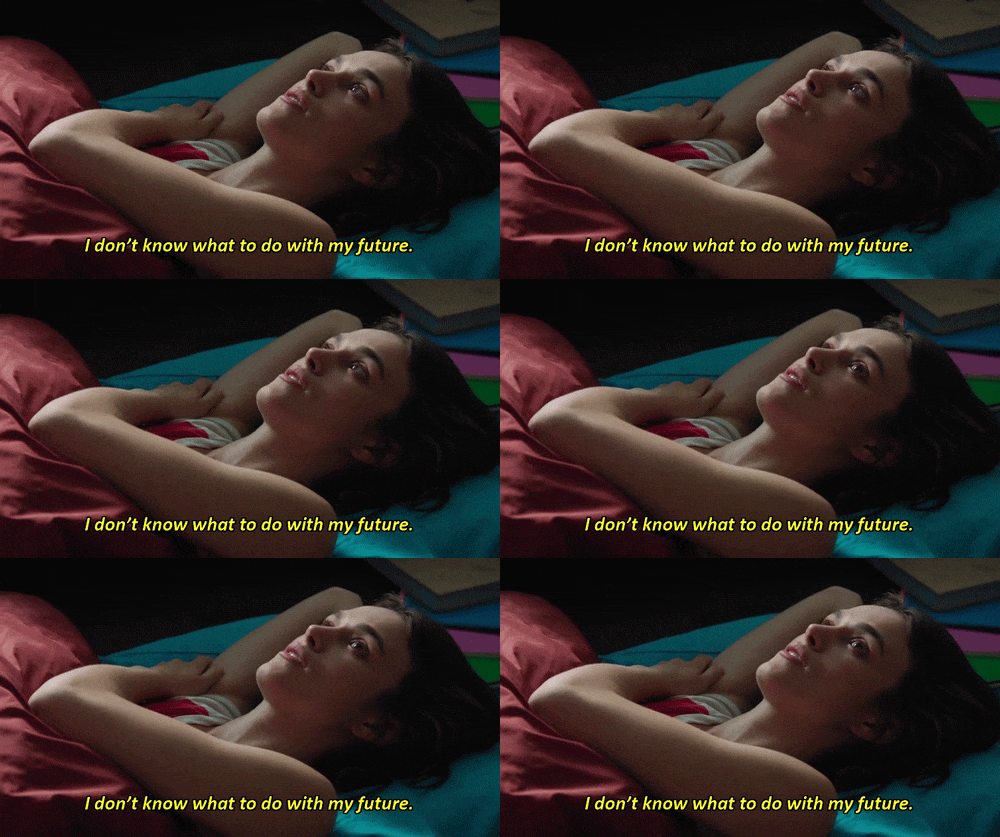
What is it about 20? I've been here about six months and already it feels like the pressure is on. I'm not a teenager anymore, yet not quite an adult. I've started having these conversations with my friends about how when we were younger, we envisioned 20 much differently. It sounded so grown up, SO adult. It sounded like, I buy my own stuff and make my own decisions. Yet when we go to describe ourselves, "adult" just doesn't seem like a fitting term.
While I do enjoy reaping some of the benefits that growing up has to offer, (namely that adults actually listen to what I have to say), it's still so bittersweet. We're no longer at the kiddie table, but can't play in the big leagues just yet. I think the scary part is that we're crossing over into uncharted territory, and with that comes the fear of the unknown. There's this impending doom looming over the life-changing decisions we're obligated to make in coming years. Okay, not doom, but doom-esque. It's all been preparation up until this point, and soon enough we'll be released into the real world. A world in which we're bound to have encounters with such massively foreign concepts such as career, marriage, children and stability. So as we prepare to embark upon a new journey, we find ourselves looking in the rear-view mirror of the lives and decisions we are so comfortable leading.
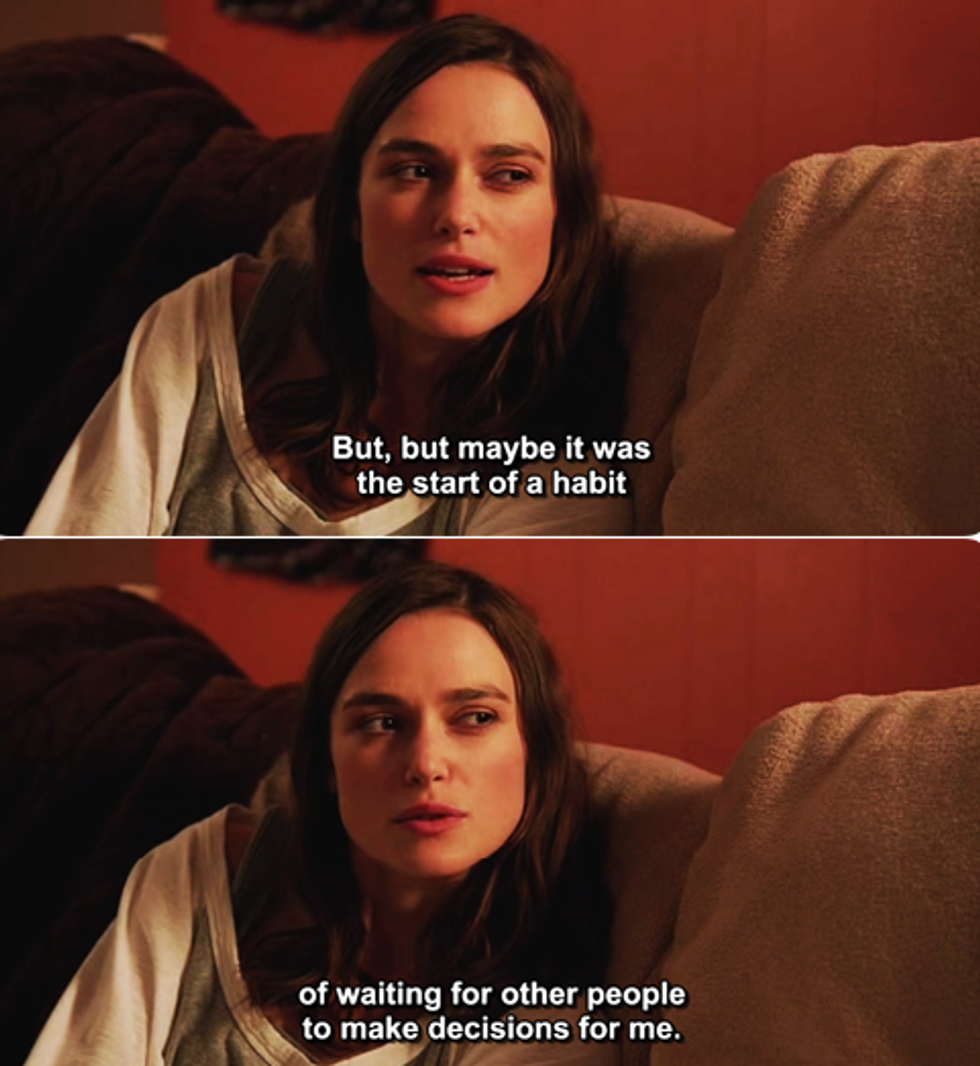
The film "Laggies" perfectly chronicles this phenomenon. Keira Knightly stars as Megan Burch, a woman in her late 20s, who is overeducated and overqualified, yet lagging behind. While her friends are out getting married and having kids, she just can't seem to commit or conform to society's conventional aging agenda. She meets and befriends 16 year old Annika (Chloe Grace Moretz), who triggers her regress into a state of adolescence.
In avoiding her own life, Megan imparts some pretty good lessons about being lost in your 20s.
1. It's natural to grow apart.
There's this quote, "growing apart doesn't change the fact that for a long time we grew side by side; our roots will always be tangled. I'm glad for that."
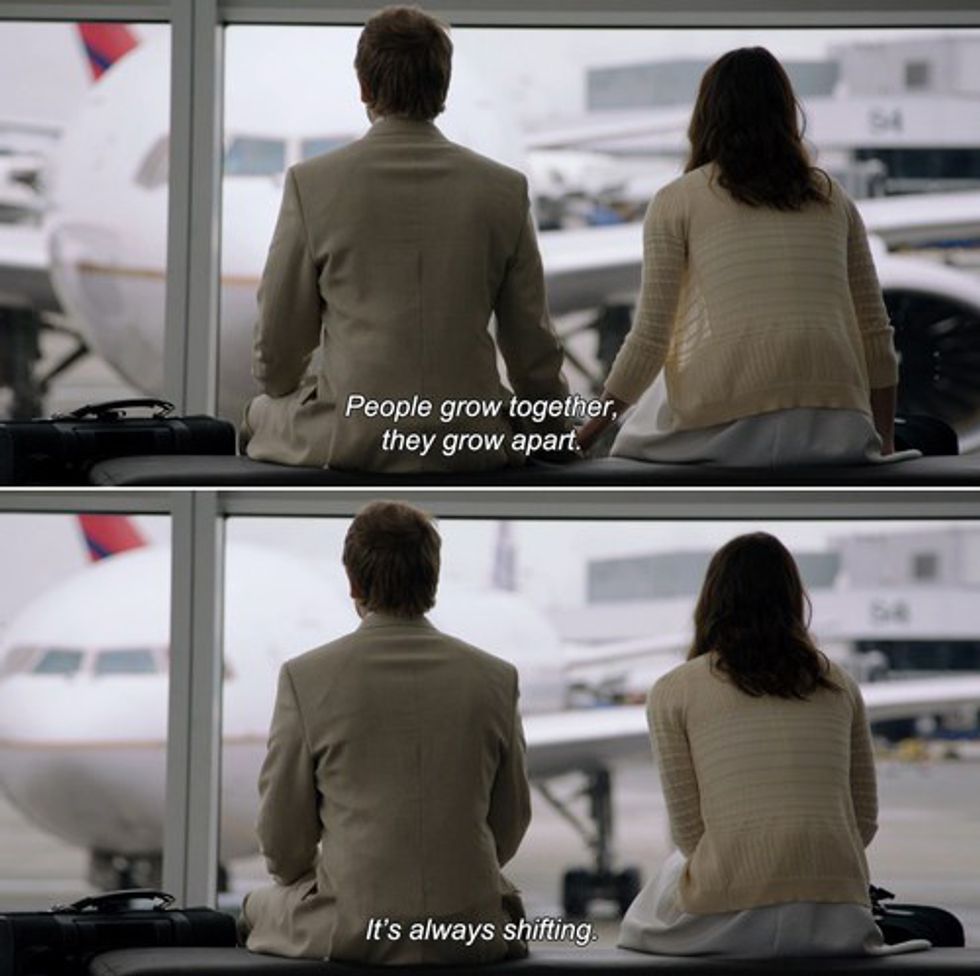
The people I grew up with will always take up a special place in my heart. They are irreplaceable, simply because for so many years, we took on life together. We have seen each other at our worst, our best, and know each other in ways that new friends just can't and never will.
But it's hard to accept and tough to admit that to an extent, we've grown apart. Even though when we congregate in one place our teenage selves come out to play, it's just not the same. Not because we like each other any less, but because we're growing up and becoming who we're going to be. Sometimes it's hard to swallow that who we may have been and who we are now aren't always mirror images. We'll still sit around making new memories and reminiscing about old ones, talking about high school and driving to all the places we used to go. It's going to feel different and that's okay.
2. The fun must go on.
I was wandering around a party supply store with my mom the other day. I'm not sure if being with my mother brought out the little kid in me, but I found myself trying on all the goofy hats and playing with the novelty toys, having a grand old time.

There were so many nostalgic things that brought me back to my childhood. Things I had forgotten existed, along with the happiness that they once brought me. Mid-laughter, I caught a little kid out of the corner of my eye, taking it all in. He looked bewildered as to why an "adult" was acting like a kid. It got me thinking. Have I past the point of no return in my maturity? Where reverting to childlike tendencies is completely unacceptable?

When you're a kid, I think we equate adulthood with seriousness. Therefore, it's easy to understand the emergence of it as grounds for abandoning our goofy sides. But that simply isn't true. The silliness doesn't have to end. Maturity doesn't mean we forfeit our right to have fun once in a while. I might be older and wiser, but inside a fun-loving five-year lives on, and I simply can't deny myself the fun of riding shopping carts in the grocery store or craving something from the candy aisle.
3. The hardest truths to accept are the ones we don't even tell ourselves.
We know when we're in a bad way. We see the signs and turn a blind eye to them. We find it easier to just wait around until someone else notices and calls us out on our crap.
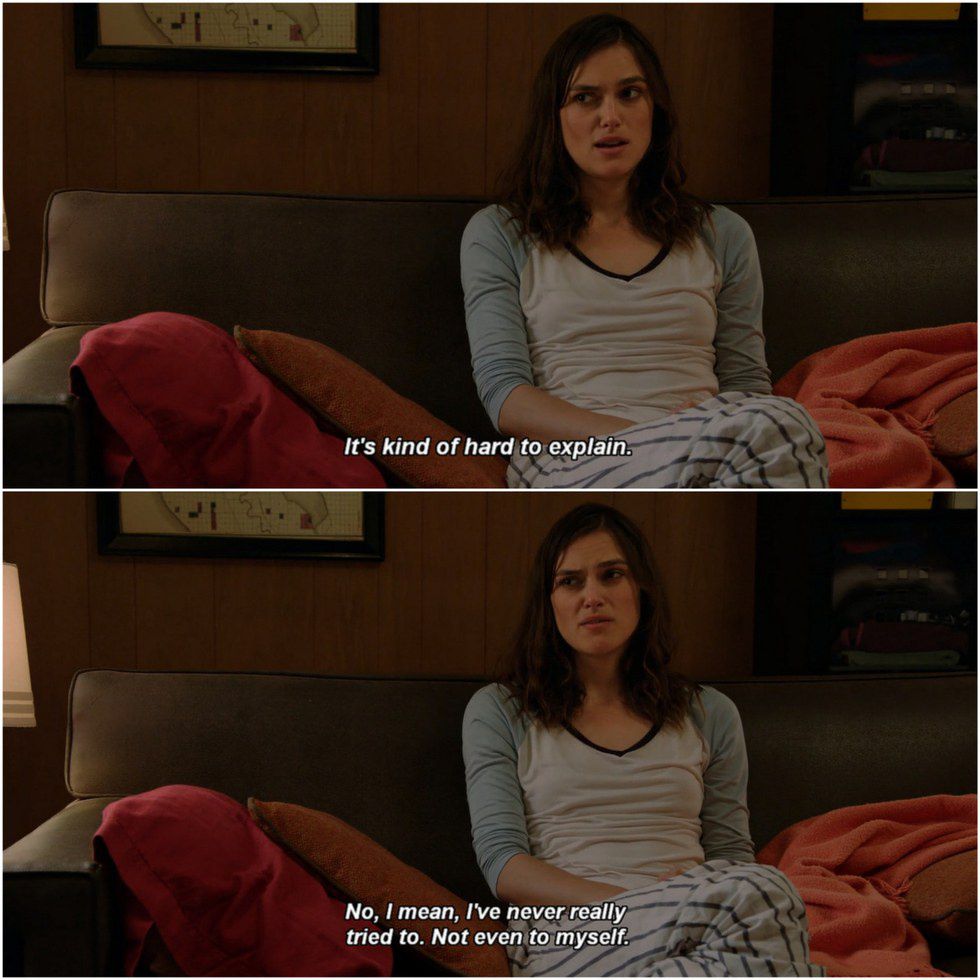
The hardest part isn't explaining it to someone else, but rather making sense of the truth ourselves, and why exactly we were hiding from it.
4. Breakups don't have to be angry to be awful.
Breakups hardly ever end amicably, and even when they do, they can only be so civil, given the nature of a breakup to begin with.
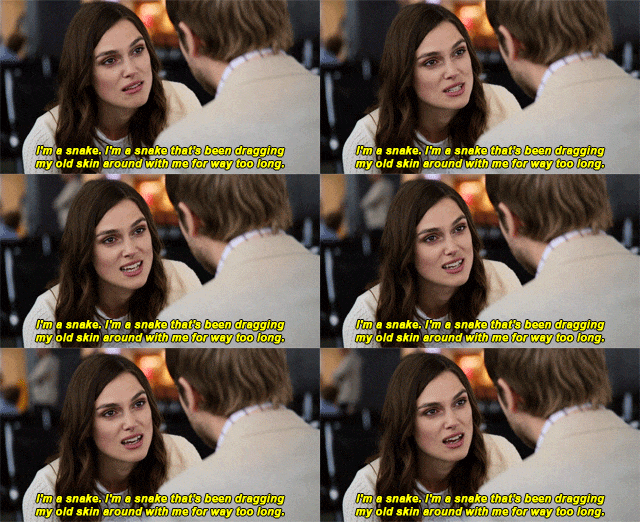
But it's a large misconception that the criteria for a breakup is that one person must vehemently loathe the other in order to want to break it off in the first place. Some might say, "if it ain't broke, don't fix it," but in reality, sometimes you can love someone and still know that you're not right together. It doesn't always have to be such a lousy set of circumstances in order to want out, but a feeling in your gut that says it's not the circumstance for you anymore. They are just as painful and valid as those bad breakups, and perhaps even more so when you don't hate someone, because you're constantly questioning why you felt it was necessary in the first place.
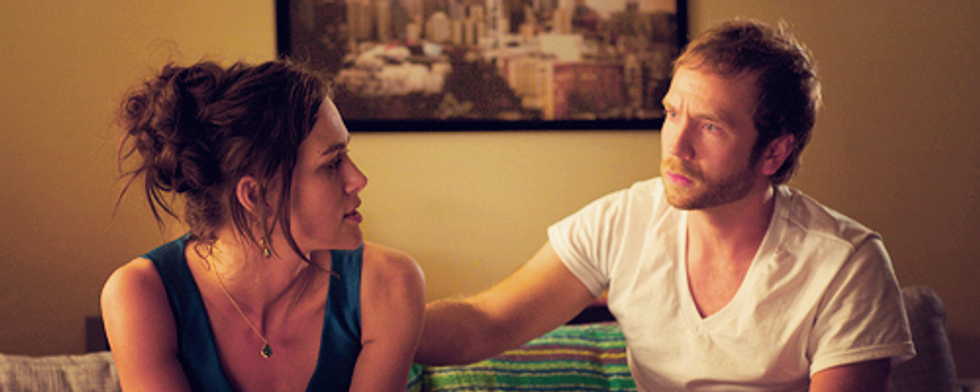
From the outside looking in, it's hard to find a problem in these types of relationships, which leads us to scorn the person that ended it. We innately feel bad for the other person left behind, because they didn't do anything wrong to deserve this pain. It feels personal. The problem is that culturally, we believe that breakups only behoove us when two people are at odds with one another; when in truth, a breakup has less to say about the person being broken up with, and more about the person doing the breaking up. Contrary to popular belief, it's normal to have doubts and it's okay to act on them. It's not selfish to be sincere by living your truth, even if that involves hurting someone temporarily. It's more detrimental to stay and not be entirely honest with your partner.
5. Find the good in the bad.
People aren't always what we imagine them to be, and often don't live up to our expectations of the role we thought they would play. But at some point, we must leave behind our ideas about a person, and take them for who and what they are. This might mean deciding to concentrate on the one positive in an abundance of negatives, but it's all about what you make of it.
6. Stop throwing yourself to the wayside.
You're allowed to want things, and you don't get them by being a spectator in your own life. You get them by acting on your intuition and making sh*t happen. You deserve happiness just as much as the next person, and are worthy enough to receive it.
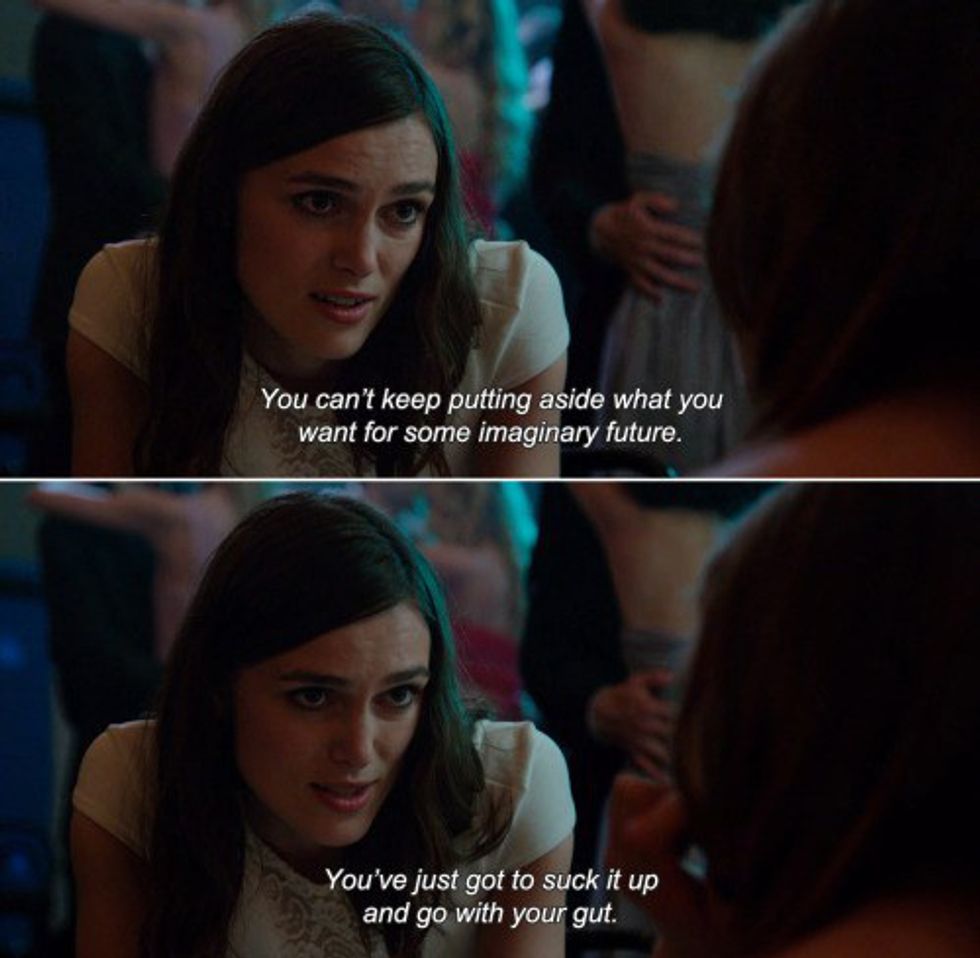
7. Pay attention to what makes you happy.
Sometimes, we get so caught up in making a plan and making sure we're on the "right" path (whatever that means) that we forget to stop and remind ourselves what makes us happy.

8. You call the shots.
We're in this weird place, stuck at a crossroads. Our parents don't exactly pave the wave anymore yet still stay on as advisors. Still, we aren't entirely on our own yet. For so long, you're given a set of options and some liberty to choose, but not full reign of your life.
9. Thank God that's over.
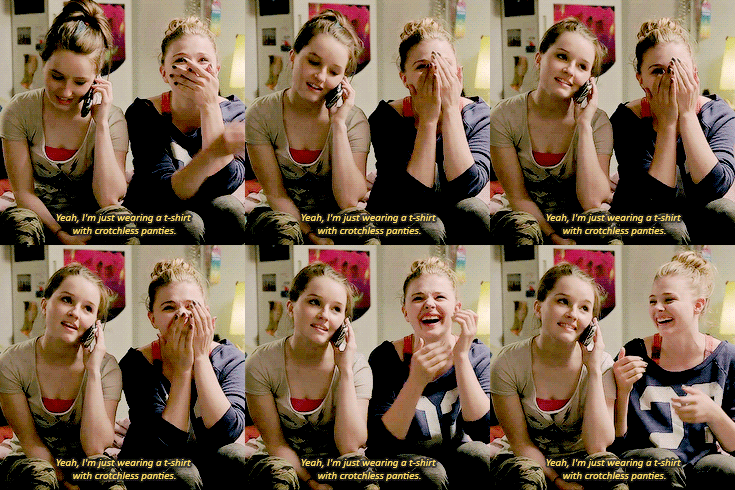 High school was fun, and sometimes it's fun to revisit the memories. But it's only fun briefly, until a situation comes along that evokes all the bad memories that has you rejoicing, thank God that sh*t is over and done with. It's nice to get nostalgic once in a while, but I wouldn't frequent it. Going through it once was enough.
10. No one knows what they're doing.
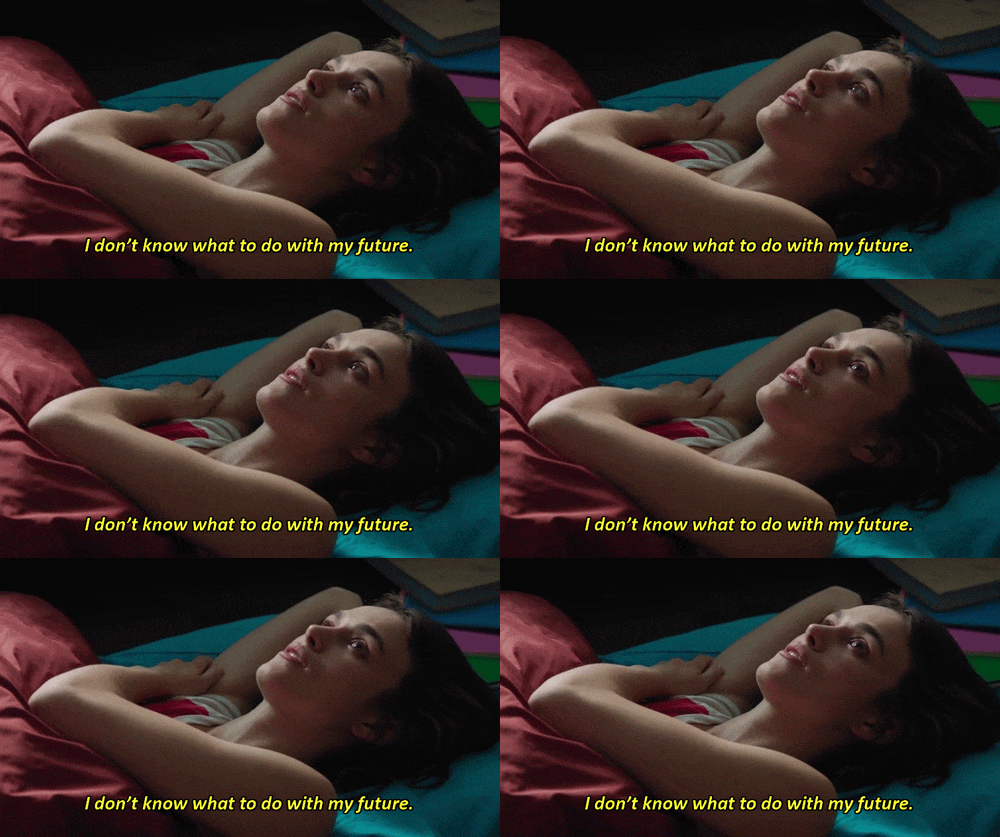
It's going to feel like everyone but you has their sh*t together. But the truth is, we're all just trying to muddle through the best that we can. No one really knows what the hell they're doing either.