
Too often, romance movies get a bad reputation for being "chick flicks." Due to the patriarchal society we live in, many people jump to the conclusion that these chick flicks are shallow, pointless, and without any substance. However, the opposite is often true. Most of the movies that have changed the way I see the world have been films in which the plot was centered around romance. This Valentine's day, whether you're in love, out of love, or looking for love, these 10 thought-provoking romance movies will make you laugh, cry, and ponder the meanings of love, relationships, and human nature—and they're all chick flicks!
1. Eternal Sunshine of the Spotless Mind
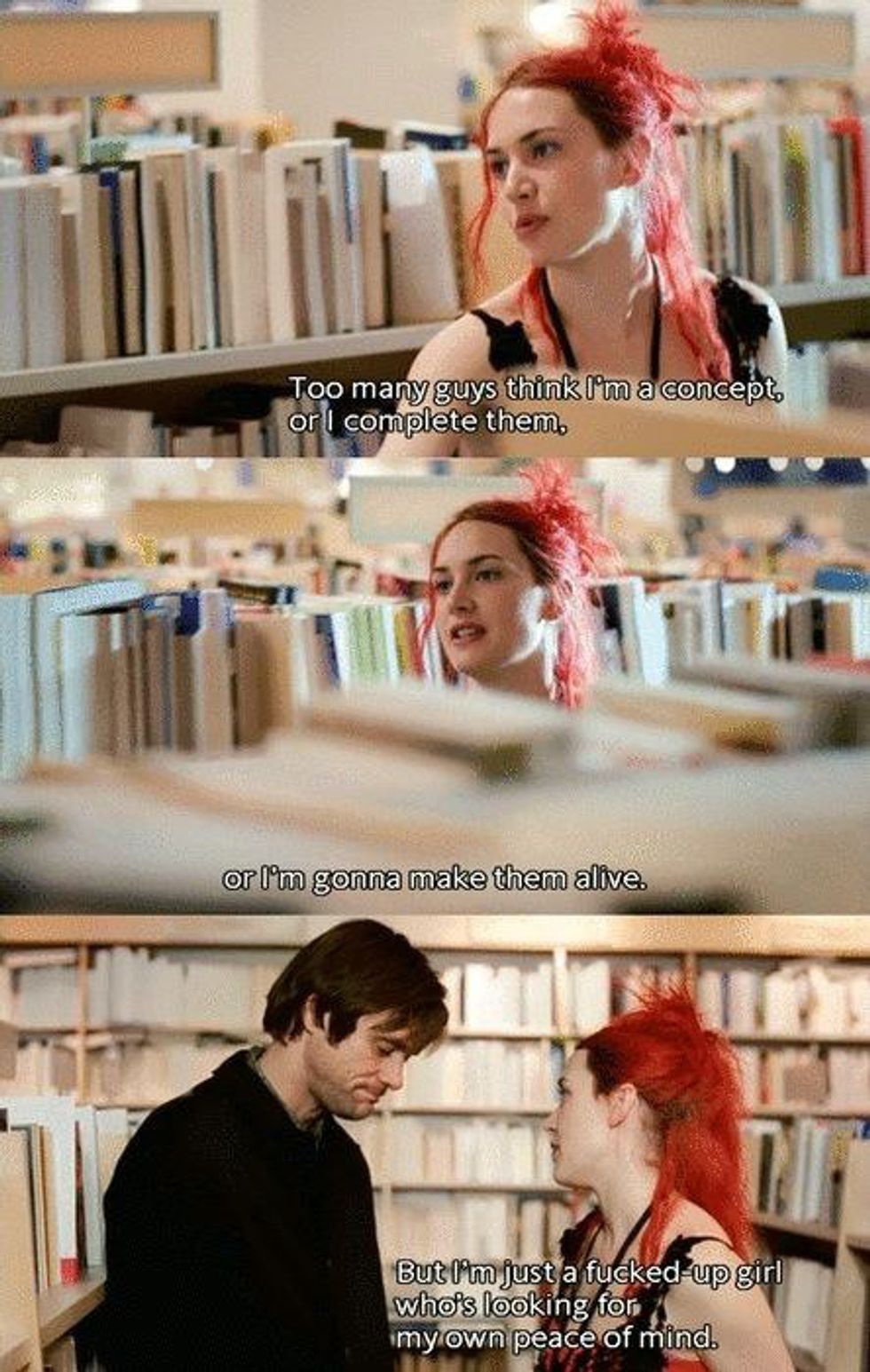
In "Eternal Sunshine of the Spotless Mind," soft-spoken Joel (Jim Carey) finds a company that will erase any evidence in his brain of his relationship with eccentric, exciting Clementine (Kate Winslet). In this trippy journey through loss of love and brain alteration, we question the significance of memories, the human tendency to repress difficult memories, and the idea of destined soulmates. It also puts forth the idea that a "manic pixie dream girl" like Clementine is a real, emotional being who shouldn't be constantly idealized.
2. (500) Days Of Summer

"(500) Days of Summer" actually demonstrates some important themes about the idealization of women, existence, true love, and not to mention has an incredible soundtrack.
3. Blue Valentine

Blue Valentine explores ups and downs of a marriage that started out sweet and eventually fell into a downward spiral. It artfully depicts the fleeting nature of love due to growth and stagnancy, and won several awards.
4. Juno
5. Chocolat

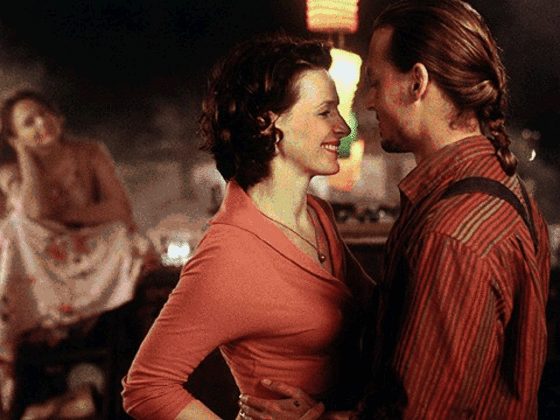
In Chocolat, an unmarried mother comes to a subdued, pious french town during lent and brightens it with her chocolate shop. Along the way, she falls in love with an extremely handsome pirate played by Johnny Depp. Although it seems light and fun at first, Chocolat makes important points about conformity, happiness, and religion; conforming to the restrictive and dogmatic parts of religion is counteractive and it is much better to be a pious person in the context of joy and humanity.
6. Brokeback Mountain

Although many jokes have been made about this film, Brokeback Mountain is an epic love story between two cowboys in 1960's and the discrimination they undergo as a result of their love. Nominated for eight academy awards, Brokeback Mountain critiques society's injustice towards homosexuality through the struggle and love of Ennis and Jack.
7. Benny & Joon
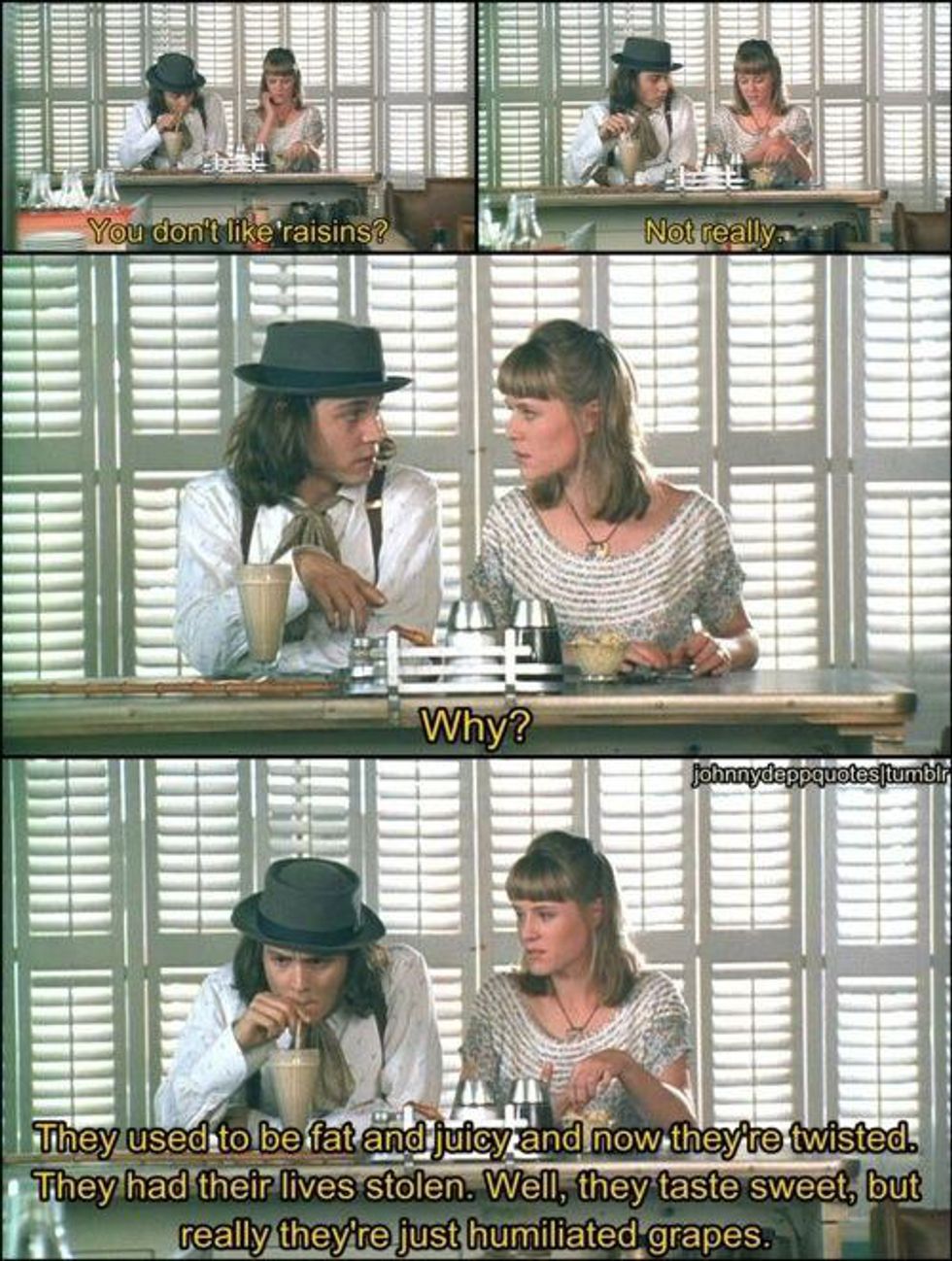
Benny and Joon is an untraditional love story between a mentally ill woman played by Mary Stuart Masterson and an eccentric, socially awkward, Buster Keaton impersonator played by Johnny Depp. Although it was sweet and unique romance, the film demonstrates through Joon's hospitalization and panic attacks how hard it is for differently-abled people to maintain a romantic relationship, but how important and beautiful it is when someone is there for them.
8. Take This Waltz
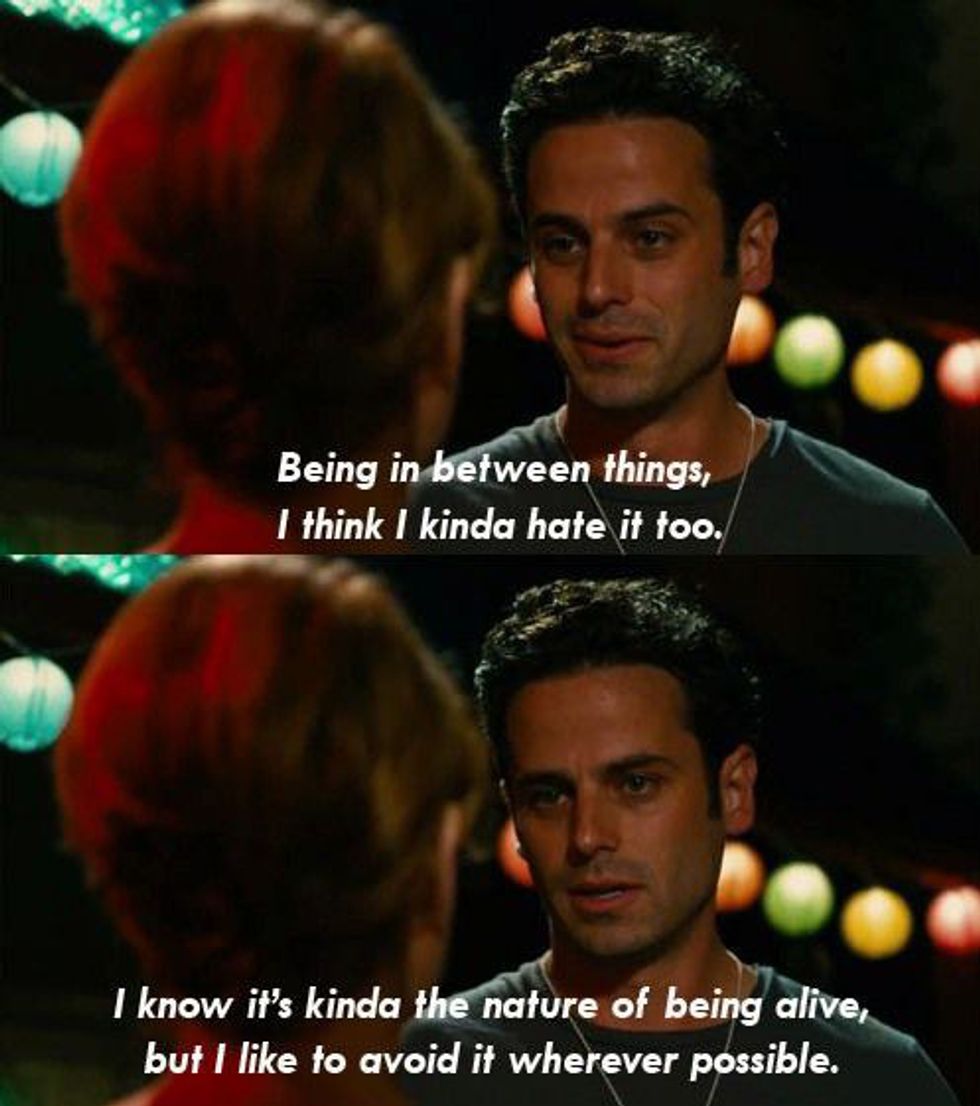
With beautiful art direction and frequent philosophical conversations, this film truly is a piece of art. In fact, the New Yorker published an article about how the film actually had many Nietzchean elements. When a happily married woman has a secretive, passionate relationship with the man living across the street, she becomes extremely conflicted. The film says a lot about how every aspect of life will eventually begin to seem dull and commonplace.
9. Submarine
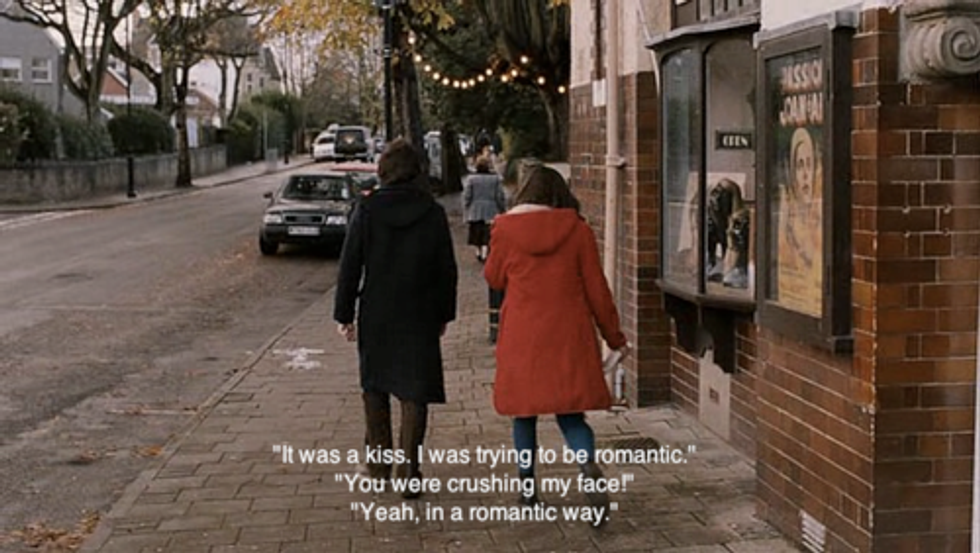
A quirky coming of age story, teens Jordana and Oliver are in the midst of innocent, young romance that is accompanied by mature occurrences in their family lives such as divorce, sickness, and depression. Like Juno, it jars a certain part of us that understands how a first young love help us maintain our childlike selves while simultaneously helping us grow up and deal with difficult events.
10. Fried Green Tomatoes 

Fried Green Tomatoes is an empowering film that follows two different storylines. Bored housewife Evelyn meets an old woman named Ninny Threadgood in a nursing home. They become friends when Ninny tells her tales of a feisty tomboy named Idgie that she used to know during the 1930s in the South. Idgie and her friend Ruth end up falling in love, raising a child together, and opening up a restaurant. Incidentally, their strong bond and personalties inspire Evelyn to take control of her life both physically and economically. With a very feminist message, this film ends up dealing with topics like racial discrimination, domestic abuse, and problems with the justice system. And, although it isn't overtly homosexual, it's clear that Idgie and Ruth love each other and are breaking societal norms by opening a restaurant and raising a child together.