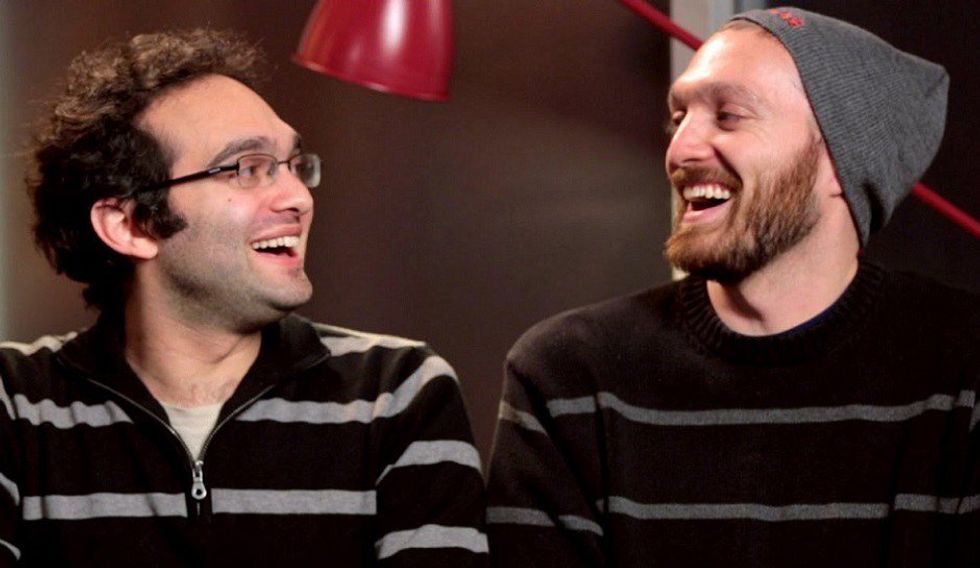
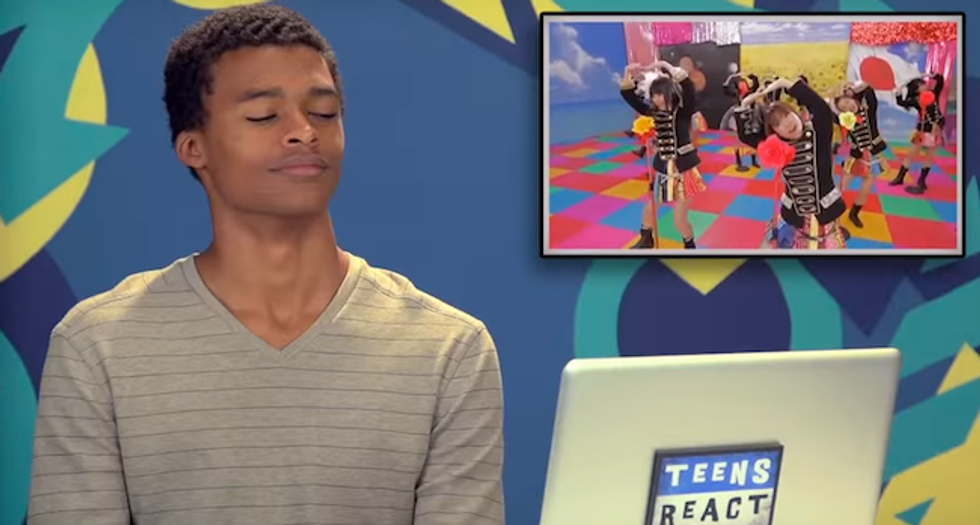
News broke this weekend that the Fine Bros — the same guys who prompt those cute kids and funny grandparents to react to viral videos and other relevant internet content — are attempting to copyright the word “react” on YouTube.
It may seem a bit far-fetched that they intend to copyright a word and follow through on coming after every person who uses it as a keyword for their video, but that’s pretty much exactly what they intend to do. Their true plan, as brothers Benny and Rafi Fine announced in a video on their YouTube channel last week, is to essentially create a licensing template that anyone who wishes to make anything resembling a Fine Bros style video can use, provided that they follow the brothers' specific instructions and give up a cut of any money they make from that video.
They also plan to take any video agreeing to these terms and put it on their “React World” channel, on one hand promoting all “react” content for a higher view count, but on the other, creating a middleman with complete control over another user’s content.
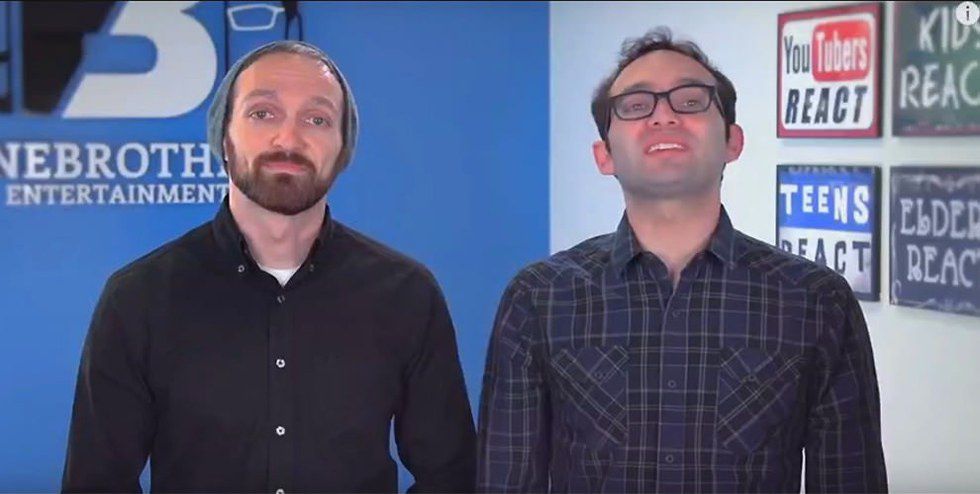
It’s not a stretch to see that the YouTube community — a place that since its creation has been about freedom and creativity, as well as yes, following popular trends — didn’t react so well to the news that they would soon have to stifle or relinquish control of their content. This places a limitation on YouTubers who are just creating content that their viewers request, especially because the Fine Bros plan on copyrighting all their video formats beyond just their react videos.
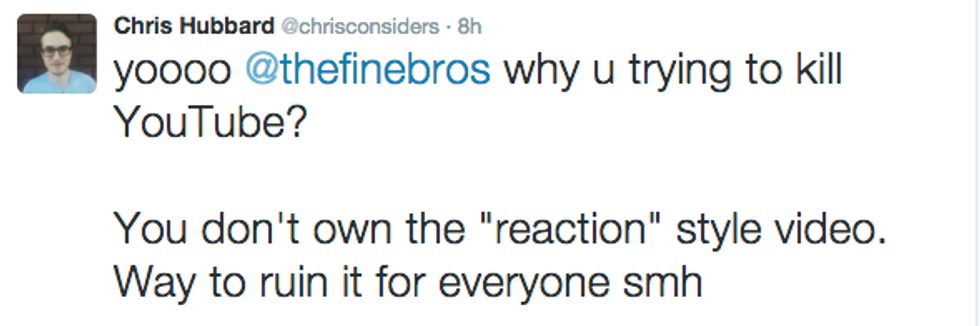
Many YouTubers are accusing the brothers of putting business and money above their allegiance to YouTube as a creative space and their position as leaders of the community as one of the more popular and well known channels. Many YouTubers and fans are calling them out via social media and they are losing subscribers by the second.
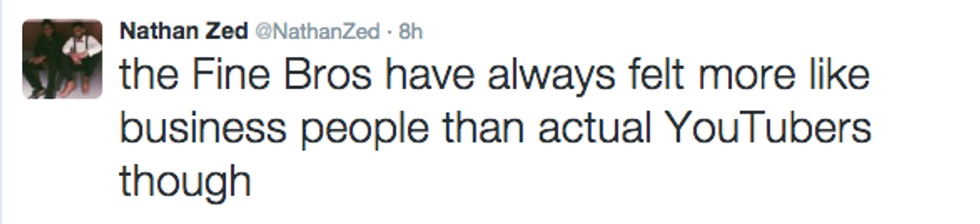
The high financial prospects that have come as a result of YouTube’s popularity over the past few years create a strange environment for content creators that’s only been highlighted in this situation. YouTube wants to be a free and innovative space, one whose promise lies in the fact that anyone can gain a following from being themselves, but the fact is that it is increasingly constrained by the fact that it is the way many people make their living. Now the average — or even above-average — YouTuber isn’t making Fine Bros level money, but enough people have become millionaires on the financial gains of YouTube that there are people ready to forsake content and culture for incentives that are purely about business. It’s a change that’s becoming more and more common on YouTube.
However, the difference between the odd promoted or sponsored video and attempting the total control of a keyword or style of video is huge in both financial gain and implication for the community as a whole. And it seems like the community is pushing back. This conflict between content and compensation in the world of digital content is one to watch as more and more people try to strike the balance between digital innovation for employment and entertainment.