

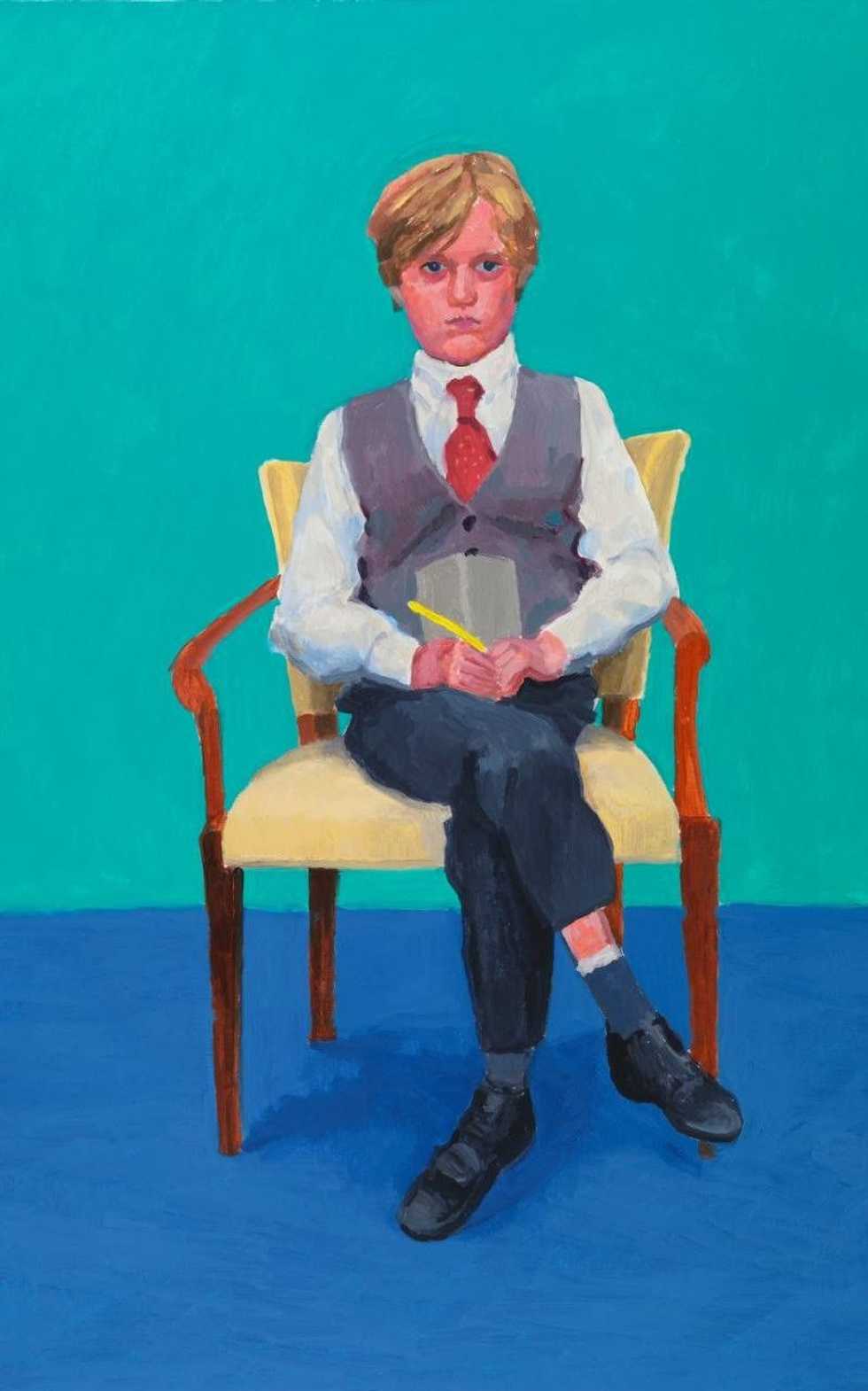
At David Hockney’s recent exhibition “82 portraits and 1 Still-life” at the Royal Academy of Arts in London, I was struck by the artist’s concerted focus on the depiction of the self. 82 people sat for the artist in the same chair, as he scrupulously recorded the sinews of their face, the angle of their feet, and the depth of their expression in pencil and paint over 3 days. Each felt like a psychological study. As you stood before the man-sized canvases, you felt as though you were catching a voyeuristic glimpse into an intimate conversation between artist and sitter. 11-year-old Rufus Hale composes himself comfortably and self-assuredly, unfazed and perhaps unaware of the celebrity of his scrutinizer, while Celia Birtwell of the infamous “Mr and Mrs Clark and Percy” appears proud and at ease in front of her old friend and painter. I left the exhibition, and my informative 45-minute audio-guide, feeling as though I had met 83 people (the 82 sitters, and Hockney himself).
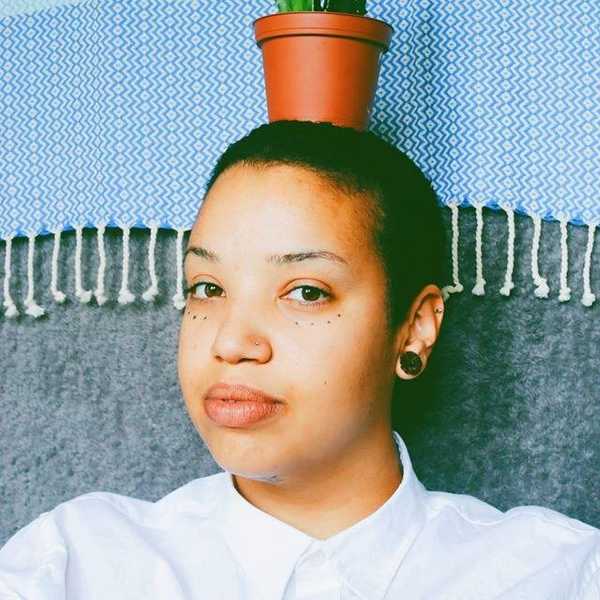
After the exhibition, I swerved a group of girls posing for a selfie, selfie-stick swinging awkwardly in the air, and the irony struck me. Today we live in an age of digital self-portraiture. We construct a carefully manicured version of the self we want others to see, and we circulate it widely through various online platforms – Snapchat, Instagram, Facebook, Twitter. Selfies are no longer unadulterated portrait snapshots from your Mac Photobooth App. Today, led by the likes of the Kardashian clan, they rest on the angle of the camera, the filter applied, and in some cases, the apps used to augment undesired details. Hockney’s visual diagnosis of his subject was so fresh and innovative for robbing the sitter of this right to augment, to control the image produced. The image may not have been aesthetically pleasing to the sitter, but it was real.
A friend of mine recently commented that as with recent politics, art is a swinging pendulum. In the prodigy of unreal, augmented portraiture, perhaps we will see a move away from the 2-dimensional self-controlled image, towards mediums that give a more accurate, and holistic picture – portraiture, biographies, and biopics. Either way, do yourself a favor and close your “Selfish” book and get down to the Royal Academy. Trust me – you won’t regret it.

















