When I was younger, people always told me how important it is to turn something off when I wasn’t using it — but no one ever explained why, so I did some research. It turns out every year, the United States uses more energy than it did the year before. Every 20 years, our nation doubles its energy consumption. Usually the people paying the energy bill pay the most attention to how much energy is being used, but not always. Even if you don’t pay the bill, you should still care about how much energy you are consuming. It’s not only wasting money: it’s wasting resources.
We get our energy from materials such as coal and natural gas, but those won’t last forever. Although new cleaner ways to get energy are being created, it's still important to use what's left of our current sources sparingly, since that's all there is. Once it’s gone, it’s gone forever. Our nation is also very dependent because we rely on other countries to supply us with oil.
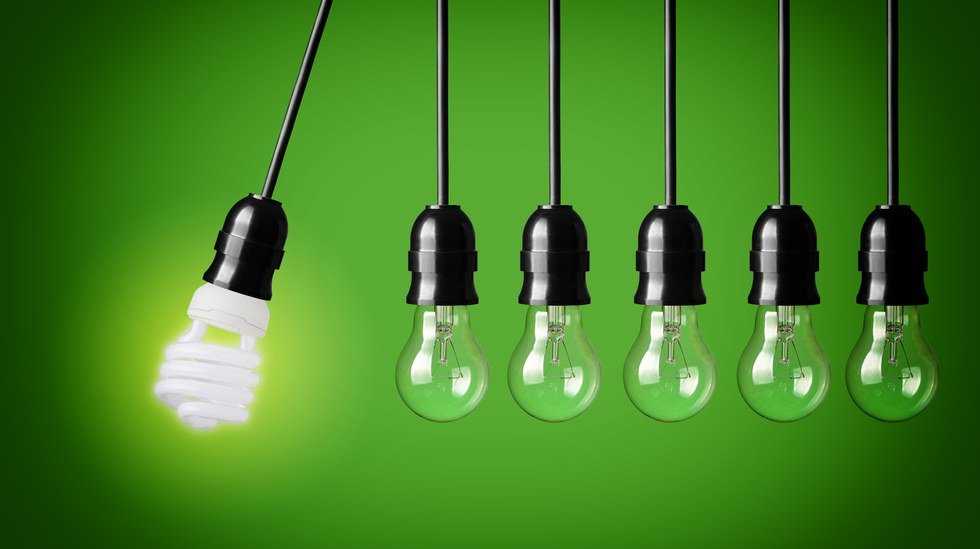
Saving energy is as simple as turning off a TV no one is watching or a light that doesn’t need to be on. If you happen to live somewhere where you can control the thermostat, turning it down when you leave the house makes a difference. You can save energy by washing your laundry on cold (use the brights setting if there is no cold option) and by taking shorter showers. Turning off power strips or unplugging things from them (like a laptop, speakers, Keurig, etc.) that you aren't using or are done charging, adds up too. Also, overcharging your laptop and other electronics can cause overheating in the laptop or the cord and can destroy their batteries.
By becoming more energy efficient now, you are preparing yourself for whenever you have to pay for your own energy use, if you aren’t doing so already. Conserving energy can save you money, improve the economy, improve the environment, and lessen the nation's dependency on other countries resources like oil.