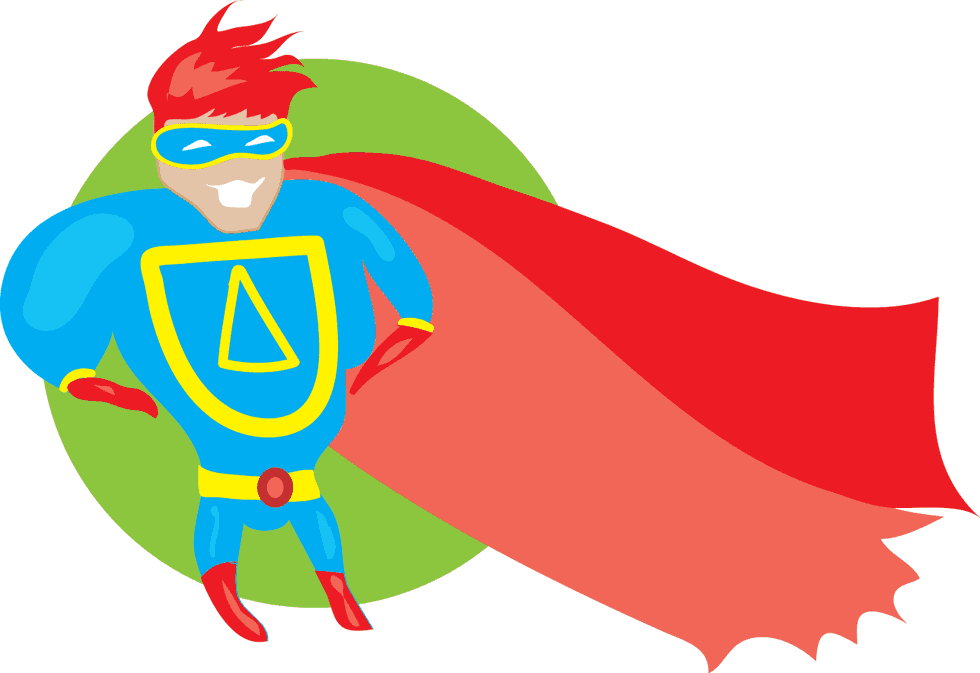
I’m sure that by now pretty much everyone has seen or heard about the proliferation of the so-called superhero culture. These masked marauders are everywhere-from TV shows to blockbuster movies, to merchandise and even kids shows. Yes, we’re all familiar with Batman, Superman, Spiderman, ad their respective gangs, and the stunning fights they partake in. Popular TV shows, from Flash to Arrow to Gotham, even shows meant for children, like Wordgirl or Superwhy, dominate the airwaves.
But why?
What is it that makes us worship these masked and caped characters?
Perhaps it’s the intrigue, the excitement, the gripping action and storytelling.
Or maybe it’s the somber backstories, the heroism and undying devotion to family member and star-crossed lovers.
But I tend to think it’s something much more simple.
They aren’t real.
We get so caught up in fantasy worlds that we don’t realize how unlikely those worlds really are. They’re more popular now than ever because they would never be able to exist in our time. How can a superhero expect to keep his secret identity secret when facial recognition, tracking technology, and stubborn journalists swarm the media? No secret would be able to be kept for very long, let alone long enough to stop even one crime. And I’m sure that the government or police force wouldn’t be too happy about masked vigilantes, no matter how good their intentions might be.
But if we did have superheroes, by some unforeseen stroke of logic (or lack thereof), would there also be tights-clad villains, dressed characteristically (and counterintuitively) thematically, in bright, garish costumes and evil laughs in tow? Would they proceed to perpetuate the villain stereotype, harmless civilian turned rogue by some outlandish freak accident, only for them so wrongly place blame on proud vigilantism and forever swear revenge? I’d like to think that they wouldn’t, if only for the sake of collateral damage done to the city that, despite reenactments, does not magically repair itself after giant robots, aliens, or metahumans attack.
Besides, it’s quite unlikely to think that there are regular civilians living out their daily lives in Gotham, Central City, or any other place that is often inhabited by an asylum with a poor reputation of keeping its inmates inside, gangs of sentient apes, or even the seemingly less tame government-issue robot suits. It’s safe to say that those cities would be perpetually empty, no matter how confident in their abilities the vigilantes might seem.
Maybe we watch because instead of worrying about taxes, the crippled economy, or when World War Three will start, it’s nice to think of a world where the biggest problem might be guy in a meat costume trying to rob a poorly-guarded jewelry store.
Maybe it’s looking at a different reality. Much like in Harry Potter where we dream of having magic, we realize that they face problems, too, just like us. Because, as the Minister so rightly put it, when asked about why they couldn’t stop Voldemort, he replied along the lines of “the other side has magic, too.”
So superheroes swarm to protect the earth, but it turns out supervillains have powers, as well. But, like the good guys in Harry Potter, they prevail. The Death Eaters are defeated. Supervillains, too. And that’s what we want to see: good over evil, no matter the circumstances.
They even face seemingly pedantic problems. Love lives, kids, struggling with school and being a superhero, for the younger vigilantes.
So we suspend our disbelief in favor of these characters. We idolize and worship them, and all their wacky sidekicks, foes, and villains alike, because it something that we can never realize. It’s a fantasy.
But they’re also just like us.