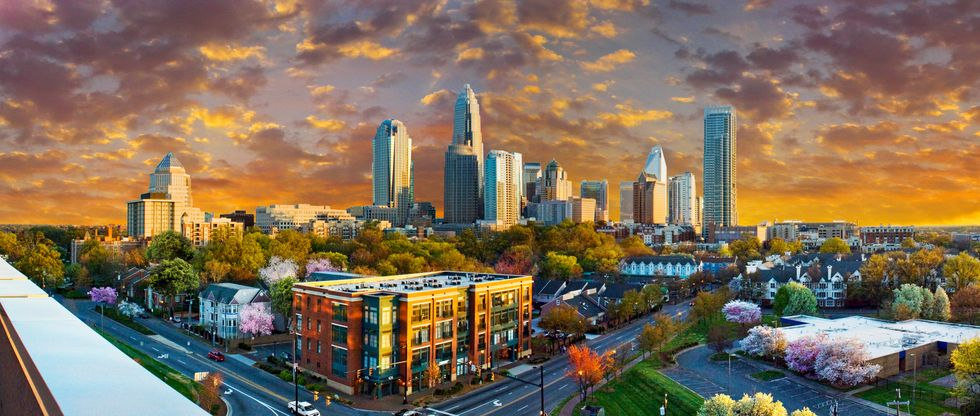
A couple of weeks ago I came across an article that said that if you're not from Dallas, you shouldn't call yourself a Dallasite or claim that you’re from Dallas, Texas. At first, I agreed with the author. I’m from Charlotte, North Carolina, and I used to believe it was nonsense when someone from Hickory, which is about 50 miles away from uptown Charlotte, said they were from Charlotte, too. If you live more than 50 miles away from uptown Charlotte, the heart of the city, how does that constitute as “being from Charlotte?"
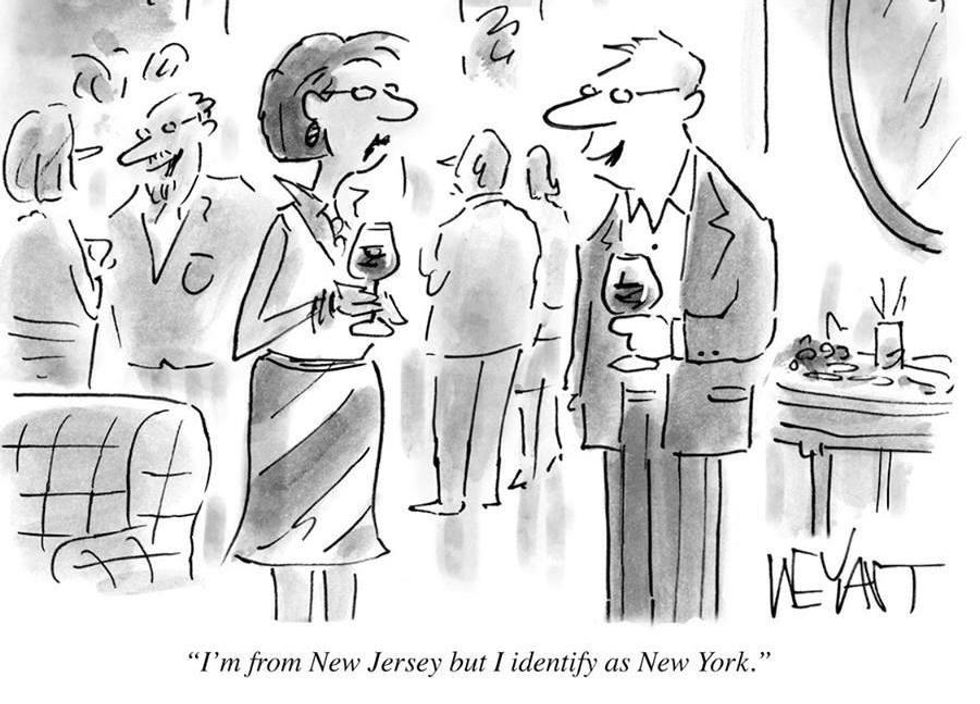
Then I met friends from suburban New Jersey, California and Ontario, Canada. When I met them, they didn't introduce themselves by telling me the small towns where they actually live. Instead, they said they were from Philadelphia, San Francisco and Toronto because whether one is from Camden or Marlton, New Jersey (both Philadelphia suburbs), that does not matter to someone who knows nothing about Philadelphia, such as myself at the time. Thus, it makes sense, for the sake of simplicity to say “I’m from Philly” instead of “I’m from Marlton.”
Large cities like Philadelphia, San Francisco and Toronto thrive thanks to the many workers, entrepreneurs, and consumers that not only live within those city limits, but also thanks to those who cross county or state lines everyday when they shop, work, and eat in those cities. Some of the most beautiful pictures of the Philadelphia skyline can be taken across the Delaware river from the town of Camden, New Jersey, a Philly suburb.
Some of these large cities’ international airports aren't even within city limits, probably because taxes are too high or other zoning laws. Toronto’s Pearson International Airport is in the Toronto suburb of Mississauga, but we still call it “Toronto Pearson International” not “Mississauga International,” because a foreign tourist would probably have zero idea of where Mississauga is. The New York Giants’ stadium, similarly is in Rutherford, New Jersey. But they’re not called “Rutherford Giants.” While people from Camden, New Jersey, or Palo Alto, California, obviously do not live in Philadelphia or San Francisco, their identities are entrenched and derived from those large cities to which they are adjacent. While south Jersey cheers for the Eagles, north Jersey roots for the Giants. Telling people from Rutherford, New Jersey, that they're not New Yorkers is insulting, especially when the town is the home of the New York Giants!

In essence, if you work in Philly, shop in Philly, go out in Philly and root for Philadelphia’s teams— the Eagles, the Flyers, and the Phillies—Philadelphia is your home, Philadelphia is YOUR city. While your address may not end in “Philadelphia, Pennsylvania,” you're contributing to the city in many ways. Those ‘suburbanites’ from Camden and Palo Alto boost Philadelphia and San Francisco’s economy by working, shopping, and going out in the city. The U.S. Census Bureau estimates that 10.8 million people or about 8 percent of U.S. workers commute longer than hour to get to work. Undoubtedly, commuters and the residents of America’s suburbia are large factors to the economic success of large cities.

Aside from learning that there is a “substantial” difference between north New Jersey and south New Jersey, I learned that to identify with a city’s culture one shouldn't be limited by geography. Sure, Huntersville is definitely not in Charlotte. But if your culture is entrenched in Charlotte, and you spend a significant amount of your time in Charlotte, and you contribute to the city, be it by shopping in SouthPark, going out in South End, or working on S. Tryon St or Ballantyne Corporate Park, Charlotte is your home. You’re a Charlottean.