


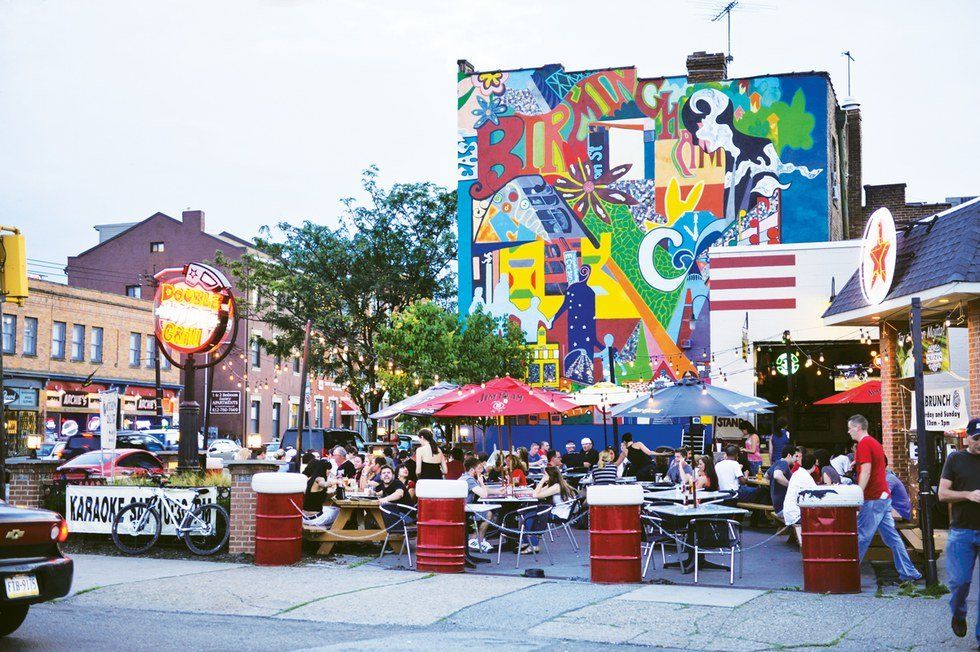
A local Pittsburgher once said, “Pittsburgh is like an old blues record. It’s scratchy but it has so much soul.” The more I return home from college, the more I begin to see the value in a city that hasn’t changed.
If you’re not from here, Pittsburgh probably isn’t the first destination that comes to mind when you think of “paradise”. As an industrial city, Pittsburgh was producing half the country’s steel and a great majority of its soot during the postwar years. Because of this, the rest of the city suffered deeply, to the point that the city had to turn on the streetlights in the middle of the day just so that people could see where they were going. Even today, the occasional vacationer will tear up during the fall and winter months due to the exposure in the air.
Today, Pittsburgh has come far in its transformation from a steel city. As an economy that was once run by ancient steel and coal companies, it is now making incredible strides with more efficient and technologically advanced companies at the reigns. Political and civic groups have also taken strong measures to control air pollution, which has been a major contribution to the city’s aesthetic appeal today. According to Forbes, “Pittsburgh’s art scene, job prospects, safety and affordability make it the most livable city in the country, according to measures studied. The city has rebounded from its manufacturing past.”
While this may not entirely entice west coasters to give up their sunny beaches and palm trees for a sore throat and more or less beach-less scenery, there is something worth recognizing about the city’s transformation from its postwar days. What were once abandoned buildings of overlooked neighborhoods are now hip, multicultural neighborhoods now known as “go-to” destinations; Pittsburgh’s food specialties, which first found popularity among the blue-collared, steel workers are now gaining national attention for their current bustling reviews; and many of Pittsburgh’s former industrial eyesores are now transformed into world renown art and cultural districts.
The following are a couple of charms that show Pittsburgh’s rich and historical past:
1. The Strip District
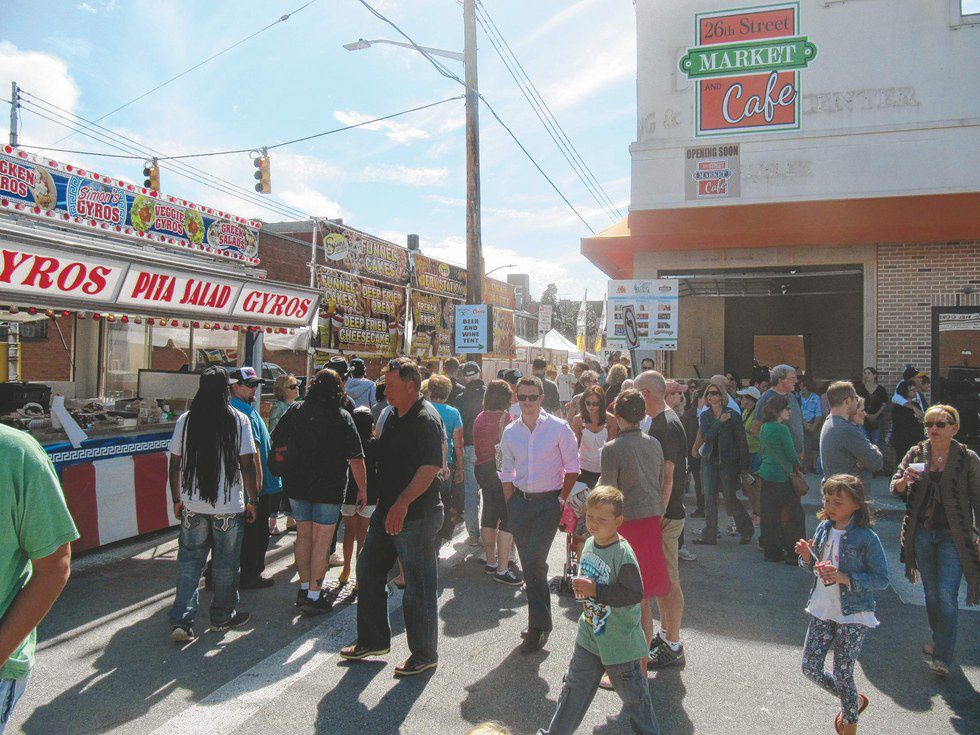
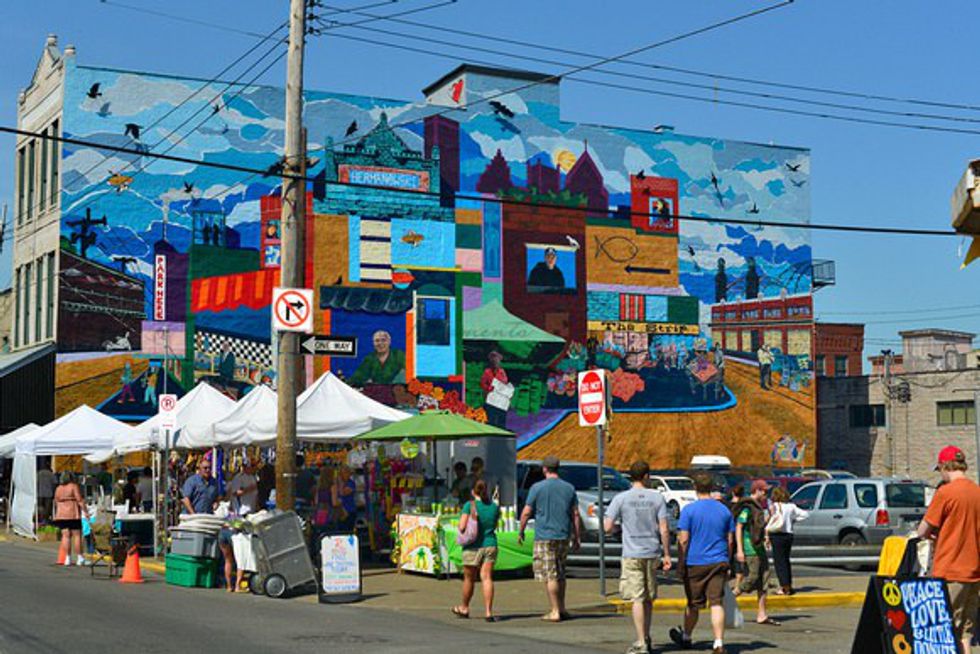
During the postwar era, The Strip District was home to many iron mills, foundries, and glass factories. Later, the scene was known as the industrial “first” where Andrew Carnegie first began his endeavors in the iron and steel industries. Today, this district has become an international destination not only to Italians, Greeks, and Europeans, but also Asian, Middle Eastern, African, Mexican, Caribbean, Central American, and South American businesses.
2. Pittsburgh's Love Affair With Pierogies
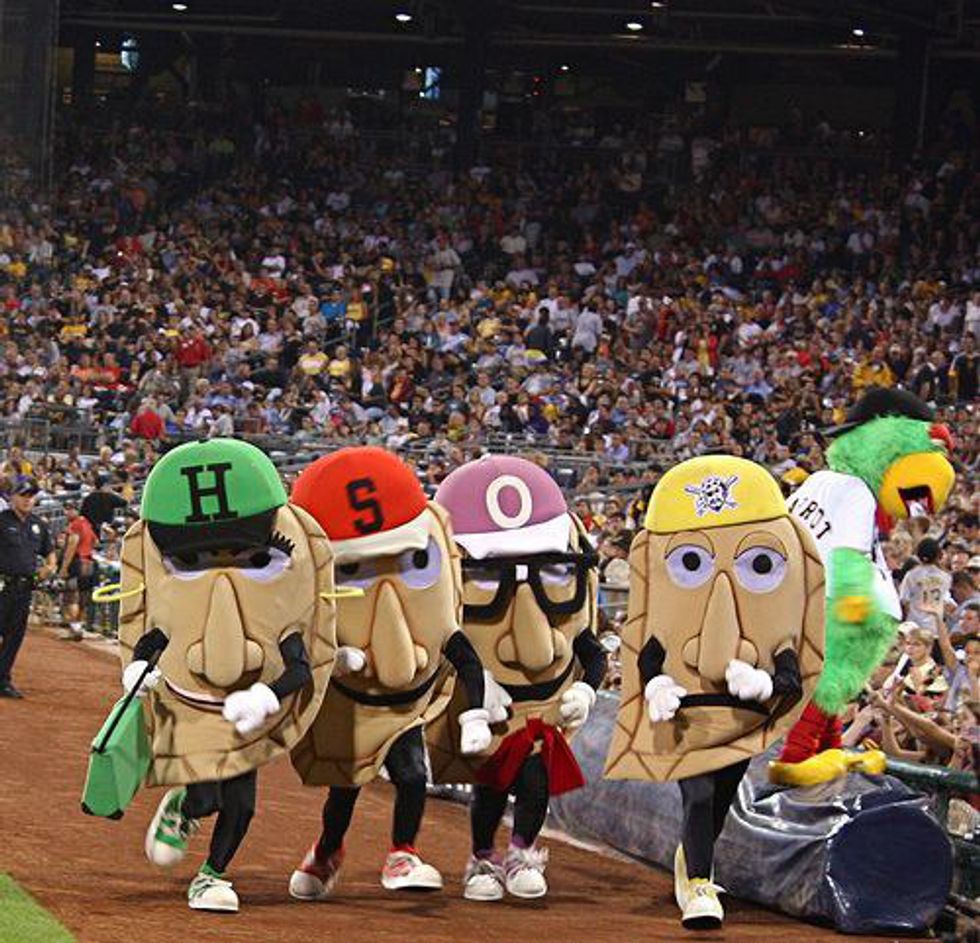
If you’ve ever been to a Pirates Game, come prepared to see a bunch of pierogies running at full-force. Because of the city’s strong Eastern European influence, the pierogie is celebrated everywhere- pirates games, authentic eastern European restaurants, church basements, and even my grandma’s house…
3. Primanti Bros. 

In the 1930s, Joe Primanti opened up a cart in the Pittsburgh’s Strip District selling Primanti Bros. sandwiches to hungry truckers and shift workers who were coming and going at all times in the night during the Great Depression. Ever since, the sandwich with French fries and Cole Slaw between two pieces of Italian bread has been a signature Pittsburgh food.
4. South Side Works
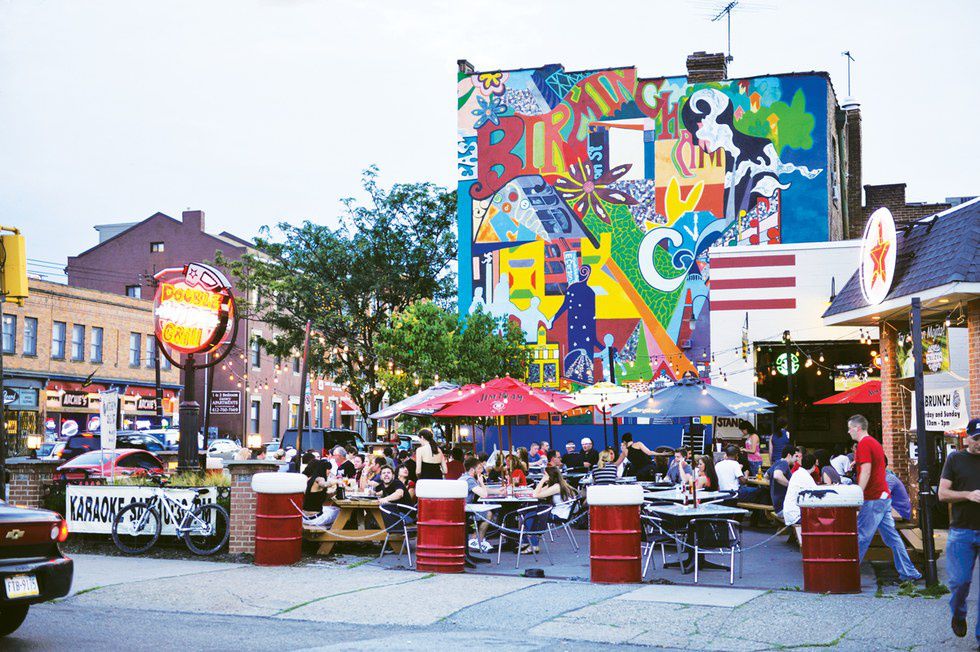
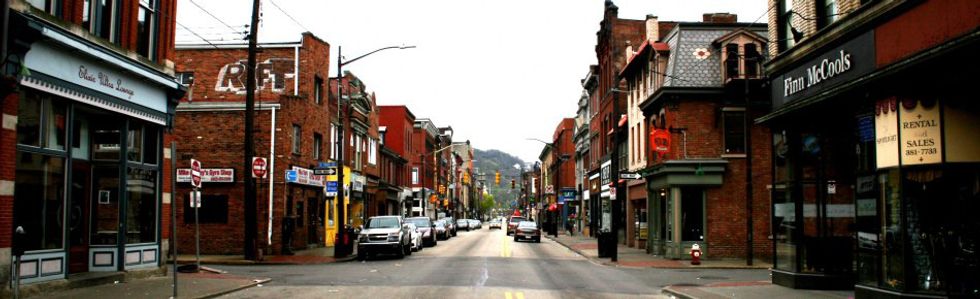
Apart from the Steel City taking the lead in the country with the most bars per person at 12 per 10,000 residents, it also is known as the Historic District for its exceptional architecture including Romanesque, Italianesque, and Classical Victorian style buildings.
5. City Of Bridges
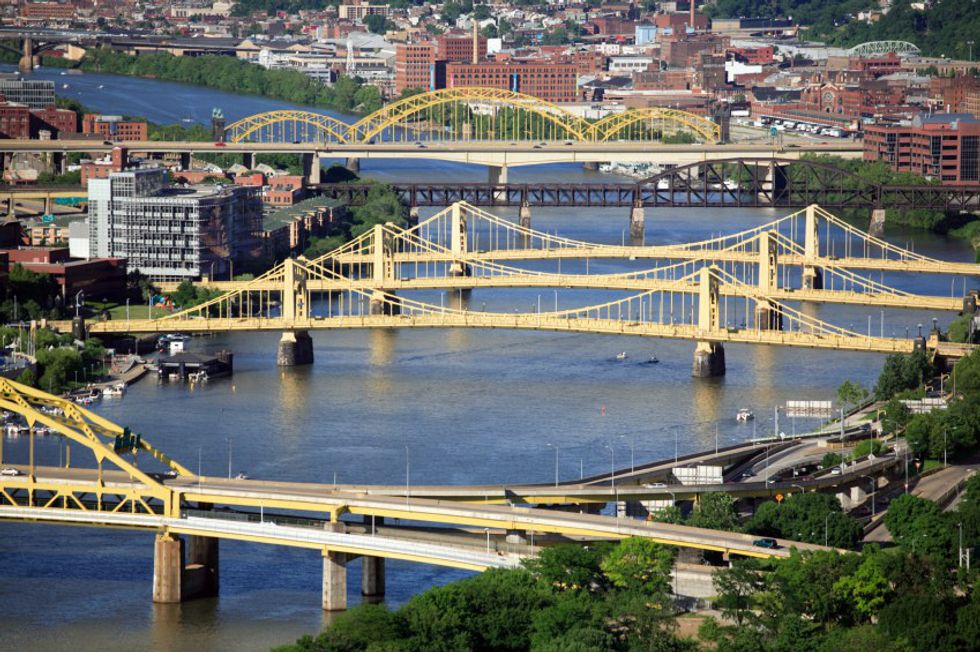
All together, there are a total of 446 bridges in Pittsburgh, which officially marks the city with the largest number bridges in the world – that is, beating Venice. Apart from this, however, bridges have brought together Pittsburgh’s fragmented valleys, its river plains, and hillsides.
When you live in a city that holds on so tightly to its historical roots, you foster a community of passionate people who show their appreciation of that history through their work ethic, their food, their passion for sports, and their beliefs. Put simply, Pittsburgh’s underdeveloped and less-than-pristine condition has made me think a lot more—more than I would in any overcrowded, expensive city. For those reasons, I’m proud to be a Pittsburgher.
















