On November 1st (but starting earlier each year), the Halloween decorations disappear, and shops deck out in red and green. Some stores even display their Halloween and Christmas decorations side by side (I’m looking at you, Michael’s). While Halloween lovers shrug their shoulders and think, “At least they’ve represented Halloween at all,” many stores have still neglected another holiday: Thanksgiving.
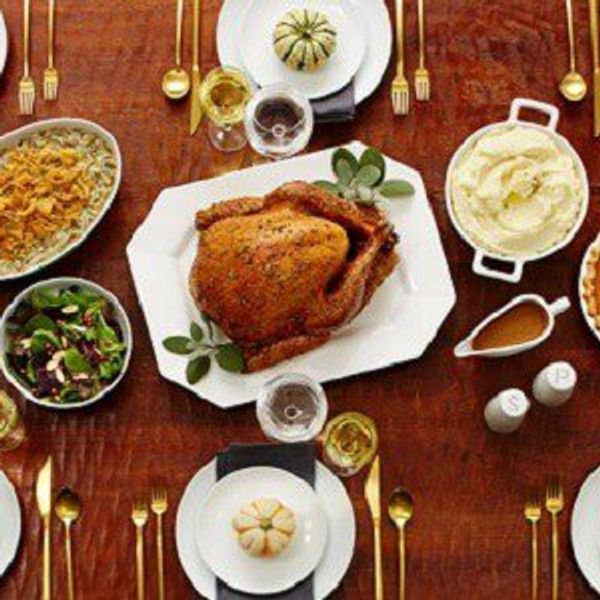
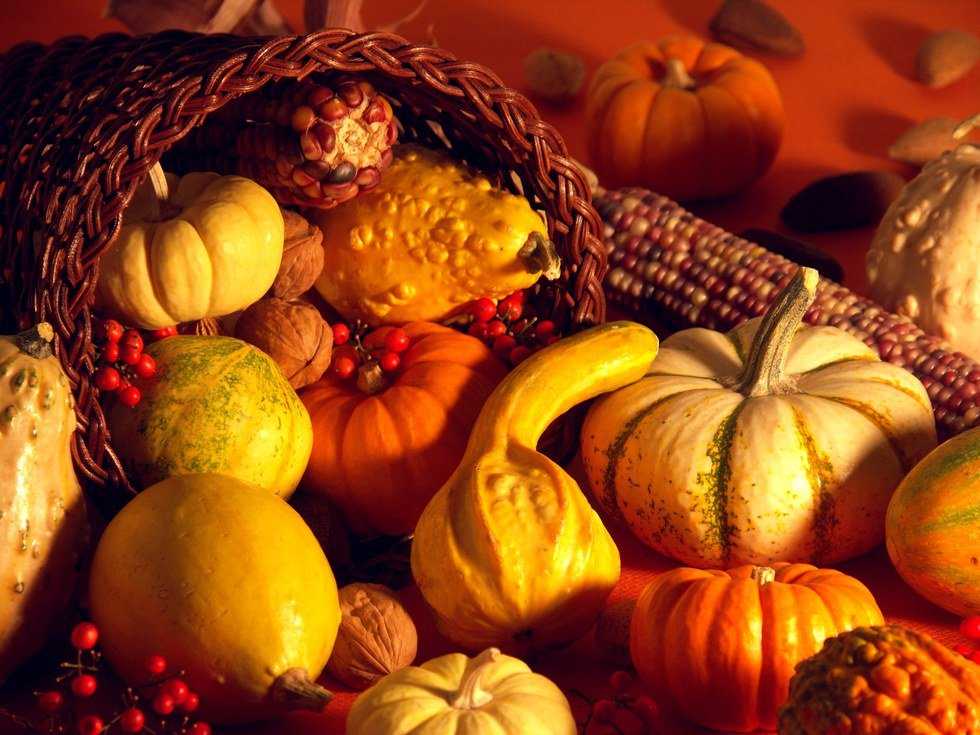
Sure, grocery stores leave an aisle with the occasional cornucopia, or a party store will stock a few turkey posters, but these decorations are often overlooked in favor of string lights and animatronic Santas. People celebrate Thanksgiving more as a pre-Christmas dinner—a practice run to prepare their stomachs for the Christmas feast—than for its actual purpose to bring people together as a family or community.
History buffs could argue that Thanksgiving is an empty holiday, formed under false pretenses, and should thus be done away with, but those events don’t reflect what the holiday has developed into today. Elementary schools may still recreate the First Thanksgiving, fashioning construction paper Pilgrim hats and Native American headpieces, but once at home, kids leave the crafts at the bottom of their backpacks and sit at the dinner table with their families. This is the side of Thanksgiving people should consider more often.
Unfortunately, people automatically jump from Halloween (if they even care to celebrate that holiday—everyone has seen a pitch-black house while trick-or-treating) to Christmas, ignoring Thanksgiving until it’s time to eat turkey. With full bellies, people return to their normal day lounging around, or they wait impatiently for Black Friday sales to begin, eager to get their Christmas shopping done when online sales activate or department stores unlock their doors.
Television certainly doesn’t help, either. People are instilled with the Christmas spirit by commercials featuring snowstorms when the leaves are still changing and the temperature wavers between the seventies and thirties each day. During the 13 Nights of Halloween, ABC Family begins to advertise the Countdown to the 25 Days of Christmas. A Charlie Brown Thanksgiving is maybe played once, on one channel, after little advertisement.
How does this rush to Christmas actually benefit us? Truth be told, it might not benefit us as much as we think. The so-called sales that stores offer may seem so good that we buy more gifts and spend more money than we intended. Maybe we have a bunch of great presents for our family, but January becomes a bear after seeing the credit card bill. Though they’re a great way to get into the holiday season, the overload of Christmas movies may provide us with a Christmas standard we can’t meet—December is the most popular month to get engaged, and the plethora of Hallmark movies set the bar high.
If people just slowed down and waited for Christmas, they’d find joy in being around their friends and family—they wouldn’t stress as much about finding the best gift to cause that joy. When so few people stop and enjoy Thanksgiving, a sense of family and community can’t develop, which is frustrating for those of us who enjoy Thanksgiving—anticipate it even.
Of all the autumn/winter holidays, Thanksgiving may be the one people should appreciate most. People claim Christmas is the best because it brings people together and is a time of sharing. True, gift giving is such a happy and fulfilling experience. Who doesn’t enjoy seeing a person they love smile after opening a heartfelt gift?
Many people, though, must admit that in the back of their minds they think, “Now, when do I get my gift?” This generation is fixated on payment and balance—when we give something, we expect something in return. Thanksgiving, however, does not encourage this mentality. While the turkey cooks in the oven, grandparents can take that time to catch up with their grandkids, mothers with their siblings and in-laws without the extra incentive of giving gifts. The only motive to get together is to sit down and eat with the family you haven’t spoken to in months.
This certainly isn’t to say that Christmas is a horrible holiday—far from it. However, it has become more and more customary to view Thanksgiving as a bridge holiday rather than a meaningful gathering. In ignoring Thanksgiving, we lose a pure opportunity to spend time with family and reconnect. We’ve become so absorbed in the corporate idea of happiness that we miss the chance to experience joy. Stores will be stocked for another month—we can spend a day at the dining room table and leave the shopping for later.