TVTropes.org has a very short article called “True Art is Incomprehensible.” At the beginning of that article, there’s a quote by an anonymous source that reads: “I shudder if the majority of people look at my brush work and say it is pretty, for then I know it is ordinary and I have failed. If they say they do not understand it, or even that it is ugly, I am happy, for I have succeeded.” This is one of my biggest pet peeves when it comes to creating art. This pseudo-intellectual, condescending, anti-thought approach to creating—or more commonly, interpreting—art really makes my skin crawl, and here’s why.
Creating something with the specific intent for it to mean anything at all renders that work meaningless. If your strategy for writing a book or a television show is to write complete nonsense on the page or throw random colors and props on the screen and have your audience interpret it for you, I’ve got news for you: You haven’t accomplished anything, you haven’t written anything worth thinking about, and you have certainly not created art. To suggest this is an achievement is also harmful to the creation of actual art, as now people with talent, who actually construct stories and paintings and works with substance to them, are being snubbed in favor of the artist who puts things on the page just to get the mind spinning.
I should mention that I am not advocating that there be nothing for the viewer or reader to think about when they’re done digesting the work. On the contrary, leaving the viewer’s mind running long after they have seen the work is often the mark of great achievement by the artist. But if that’s all that the piece of art is doing, leaving you thinking about anything at all under the tangential broad heading of the piece of art you just saw, then where’s the genius in that? Similarly, a work of art should engage audiences in discussion and inevitable disagreement and argument, but again, simply presenting ideas for people to talk about without any slant to them is counterproductive. If I present you with an image of a lamp sitting on a desk and say, “discuss this,” you would probably be at a loss for what to say, because I have given you nothing to discuss beyond the obvious fact that there is a picture of a lamp on a desk in front of you.
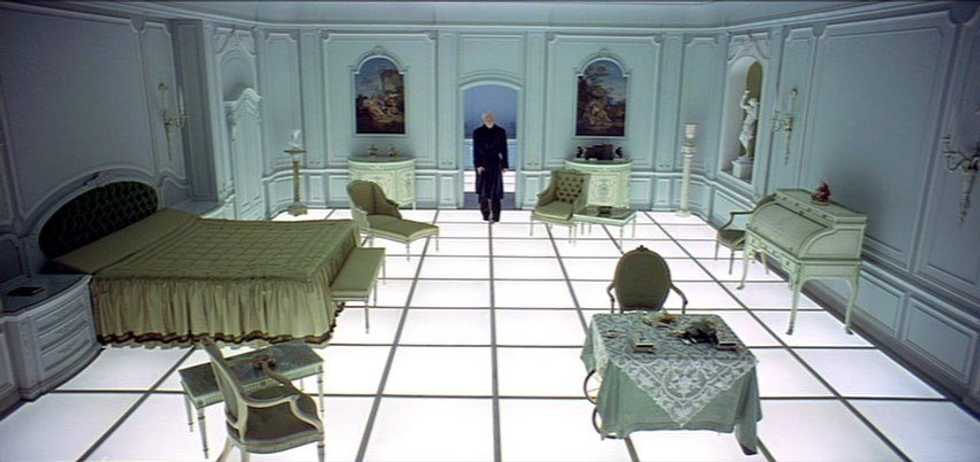
A piece of art should make you think about something. Not about anything, mind you, but about a specific subject. To pick one example of how to do this poorly, "2001: A Space Odyssey" has several broad themes and subjects in it (human existence, science versus faith, humanity versus the universe, and so on), but rarely are any of those discussed or analyzed by the movie; they’re just present in the movie and then when the film is over, we have neither gained nor lost anything regarding our thoughts on these themes, in relation to what the film itself had to say about them.
Where’s the higher art? In the fact it dumped a bunch of special effects on screen and left everyone baffled? In the fact it did not attempt to explain its ending at all? In the fact that the writers of the film admitted they had little to no interest in giving audiences a coherent film to latch onto? That isn’t art. That’s a failure in storytelling, and a strategy that displays laziness on the part of the artist and an assumption about the audience that borders on insult. To assume that we as consumers of your work will sit down and lap up anything without first being given parameters by which to guide us tells me that you think so little of your audience that you won’t even give them a hint as to what it is you’re trying to say with your piece of art.
Finally, to those who consider "2001" and other films and shows and books like it to be representative of something you like, good for you, and I mean that sincerely. But to suggest that you, yourselves, are somehow more intelligent or eclectic than those of us who don’t like these things, to imply, by extension, the things we enjoy are somehow not of value, that’s not intelligence. That’s arrogance and it speaks volumes about the material you do hold in such high regard.
Further Reading
"2001: A Space Odyssey: the best sci-fi and fantasy film of all time"- The Guardian