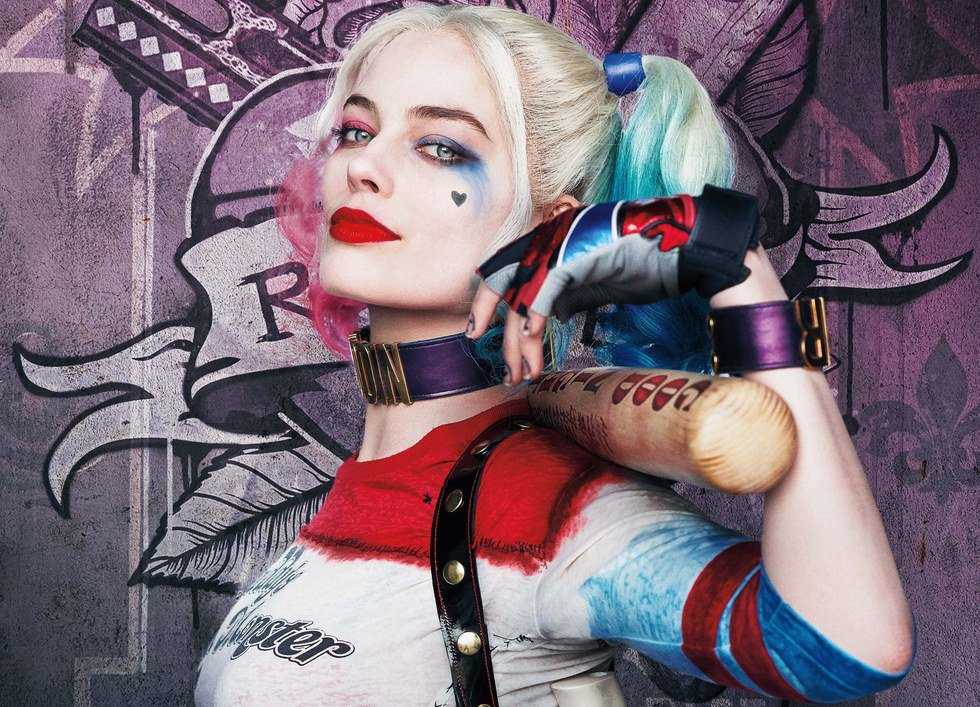
She strutted onto the big screen on August 5, 2016.
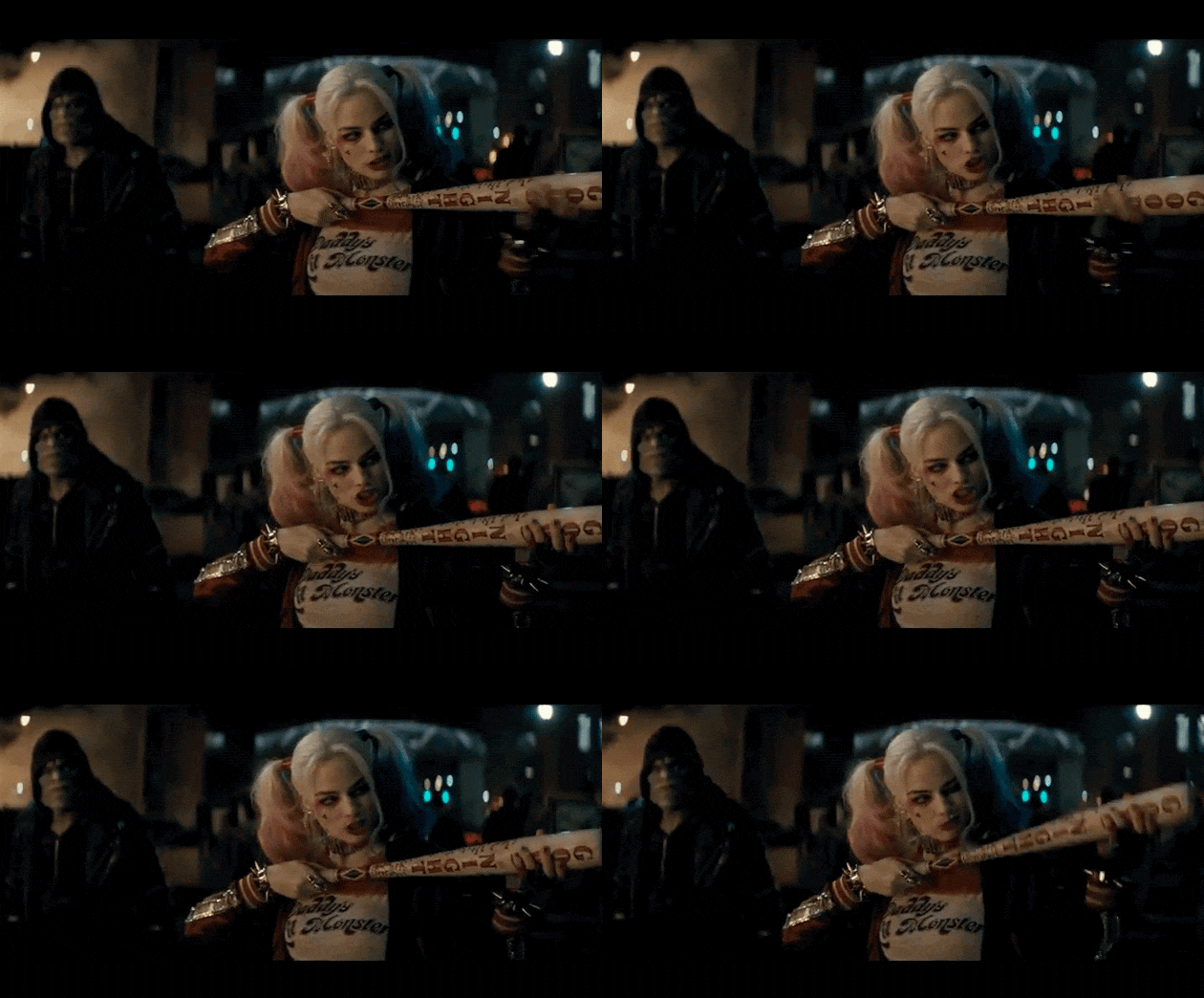
With a personalized baseball bat, a pair of two-tone booty shorts, and a charmingly devious smile, psychiatrist-turned-supervillain Harley Quinn claimed the hearts of fans both new and old with her modernized debut in the anticipated film, Suicide Squad. Alongside a team of newly recruited villainous heroes, the Maid of Mischief battles a mysterious individual known as the Enchantress in an all-out clash to save the world.
Receiving abundant attention for her scandalous refashioning, featuring colorful pigtails, bubblegum-chewing propensities, and a shirt that shears more intensely with each scene, Harley Quinn, despite her popularity, has been dubbed by some as a pre-teen boy’s fetish. This title that has contributed to her relegation as a static, over-sexualized, and useless character.

Before tossing Harley Quinn into the pile of forgotten personalities, however, we must briefly recognize the role of women in modern film. According to The Huffington Post, as compared to men, women are more than twice as likely to be partially or fully naked, they are more than twice as likely to be skinny, and five times more likely to receive comments on their appearance. And, in appeasement of the longtime film tradition of objectifying female characters, the creators of Suicide Squad subjected their model of Harley Quinn to these same parameters. What sets this villain apart however, is a discreet rebellion. Apart from her provocative appearance, the creators graced her character with a quality rare to women in film: independence.
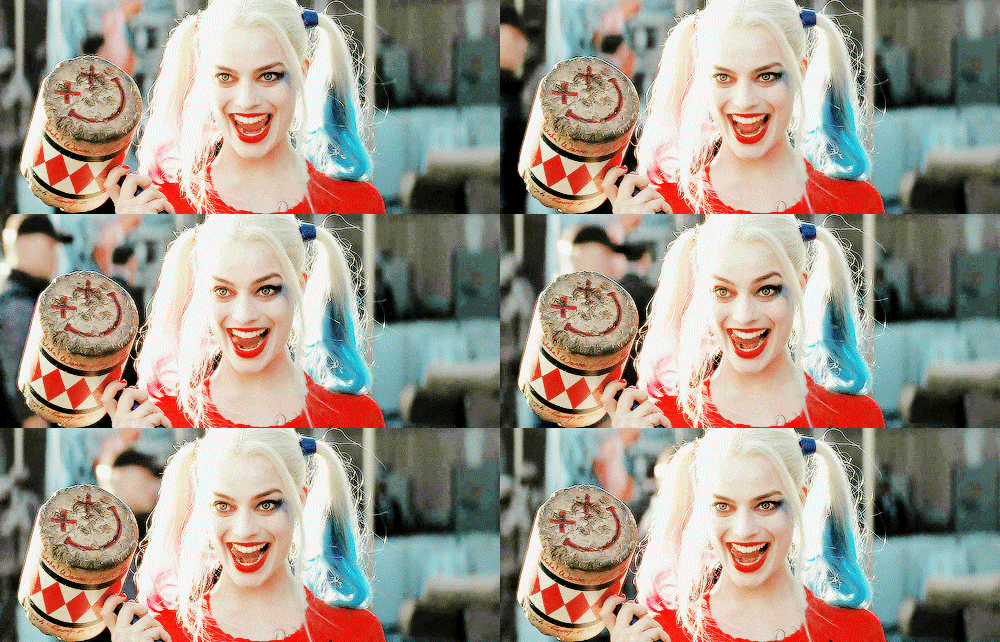
You need look no further than the Queen of Gotham's love life to see this value come into effect.
As the squad embarks on a mission leaving the safety of the world in the balance, infamous partner of Harley Quinn, the Joker, makes a striking appearance, fighting life and limb to retrieve his beloved from the clutches of intelligence officer, Amanda Waller. Although historically defined by the Joker’s abusive nature, the relationship of Harley and the Clown Prince of Crime manages to pull away from its former depiction, instead maintaining the appearance of a mostly loving connection. This quality only begins to define Harley’s new self-rule. In fact, not only is she now separated from the Joker’s abusive clutches, but she also manages to have an independent character plot, with her lover’s every action revolving entirely around her.
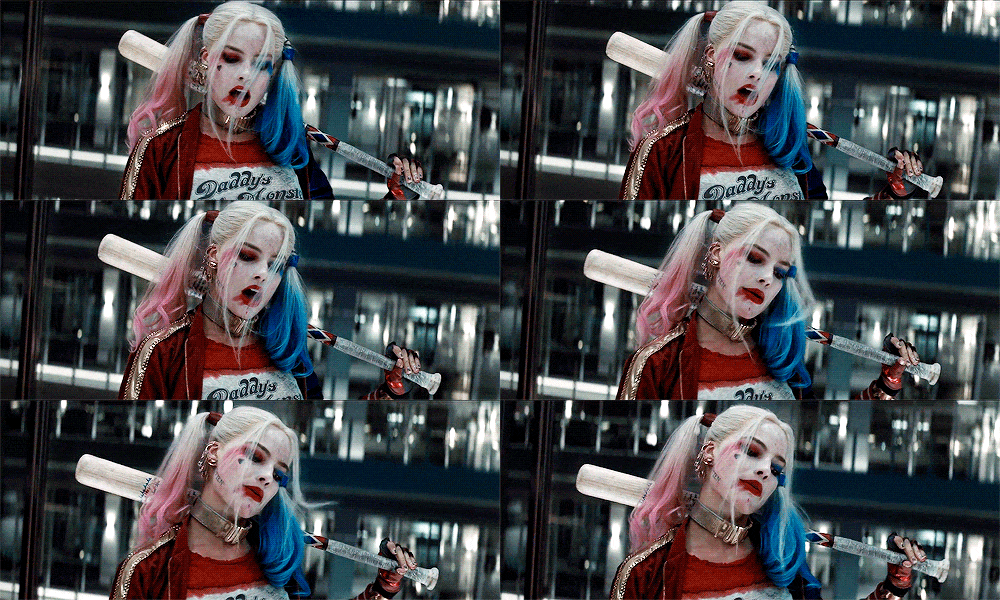
Suicide Squad liberates Harley from the men around her, while still allowing her to be accepted by her peers as the lovable sparkplug she is. Fighting alongside her newfound team, she flaunts her femininity as she takes down all who stand in her path, whether that means scaling walls in high heels, or tightening her pigtails after plowing through an elevator littered with disfigured monsters. From beneath her scandalous attire, Harley’s good nature often shines through. When faced with the opportunity to reunite with her beloved Puddin’, the Maid of Mischief turns down the chance, opting instead to save her new friends and the world that had once casted her out; qualities of a true, dynamic character.

Resulting from a eclectic mix of old ideals and modern movements is a personality entirely new to popular culture. Although adhering on a surface level to the expectations of women in film, Harley Quinn manages to pull past the boundaries placed on her by society, and proudly display a reputation all her own. This Maid of Mischief is pulling women into the modern world of film, and she isn't letting a pair of high heels stop her.