



I was walking down the street with a male friend a few nights ago, not far from campus. We passed a man who was probably about 50 years old. My friend nodded and mumbled a “Hey, how’s it goin,’” and we kept walking. Until that moment, I had never even considered it: he wasn’t afraid to make eye contact with people on the street.
A few days later, I figured I’d ask. “Have you ever hesitated to look at someone when you pass them?” He looked confused at first, then laughed a bit and said of course not, why should he? What’s he gonna do, just keep his head down and avert his eyes? Yeah, right.
Well actually, yeah, that’s right.
Another time, during my senior year of high school, I was discussing gender inequalities with a different male friend. He got frustrated and asked me when I had ever been disadvantaged because I was a woman. This time, it was my turn to laugh. My first response was that I often didn’t feel safe walking by myself.
“Yeah, when I’m walking in the ghetto in the middle of the night, I feel uneasy too,” he shot back.
But I didn’t mean that -- I meant walking the hallways of my high school. During school hours. And I told him so. He looked shocked, although not disgusted, and tried to call me on my bluff. When I told him I had good reason to feel that fear, he stuttered for a few seconds and managed to spit out a, “Yeah, well, that was just one time and one guy. That doesn’t count.” And so the conversation ended.
Many of my female friends had similar experiences growing up as I did: enduring “get back in the kitchen” jokes, boys thinking it was funny to try to throw things down my shirt, and being talked over (a lot). We were all given the same advice: don’t walk alone at night, don’t wear short skirts, don’t get too drunk. These are things that, unfortunately, a lot of girls go through and hear, while few boys do.
I’m only just realizing, however, that there are some things that I was never explicitly told; I just kind of knew.

Don’t make eye contact with strange men on the street. They’re probably harmless, probably nice people, but if you look at them, they might see that as an invitation to try to follow you, talk to you, or worse. Just to be safe, don’t open that door -- keep your eyes down.
Don’t walk around with headphones in, day or night. It’s basically yelling to everyone else on the street, “Hey, I’m not paying attention to my surroundings! Look at me! I’m way more worried about Childish Gambino’s new album than I am about anything else! I’m an easy target!”
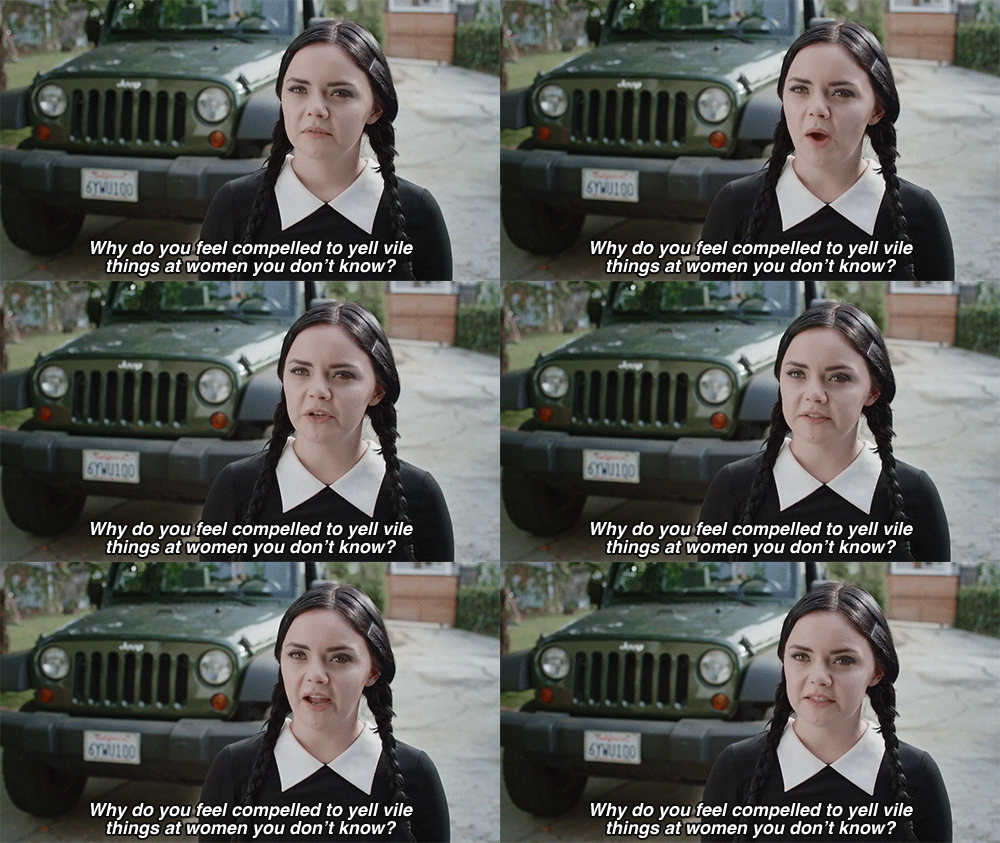
Don’t talk back to catcalls. Don’t react. When a man yells, “Damn baby, you look good,” he doesn’t mean anything by it -- he’s just messing around. Don’t yell back, turn around, or give him a glare; just keep your head down, like always. Sometimes when this topic came up I was told “not to give him the satisfaction of knowing he upset me” by responding. It was pretty clear, though, that I really just wasn’t supposed to mind the leers. Even if they did bother me, I was overreacting if I did something about it, so come on, just brush it off and get over it. Whether we acknowledged the real reasons behind it or not, the sentiment was the same: don’t bother defending your dignity when you could just keep walking instead.
Like I said, I know these experiences were not unique to me. Most of my female friends and I share these subconscious habits, whether we want to or not. What’s beginning to bother me now is what my male friends know -- or, more accurately, don’t know -- about the things girls learn from such a young age.
The “yeah, right” and the “that doesn’t count” I got from my friends are each too typical a response for me to be comfortable with. Not only do men usually not know about these little precautions we girls are told to take, they often think they’re absurd.
“Why in the world wouldn’t you walk with headphones in?”
“It’s kind of rude to just ignore people who look at you, don’t you think?”
And, my personal favorite: “You’re just being paranoid.”
I often hear people talking about the phrase “boys will be boys” and how it creates a mentality of victim blaming, how boys need to be held accountable for their actions just like girls are. I couldn’t agree more. Equally as important, however, is putting an end to this culture of telling girls to make themselves invisible in order to be protected. Why was I taught to keep my head down, but that man was never taught to keep his eyes to himself? Why can’t I listen to music, but some pervy guy and his friends were never told that a distracted woman is a human being, not an easy target?
Of all the disparities between men and women, and all the social norms that widen the gap between them, this may be one of the most destructive. Kids start to pick up on these behaviors and expectations a lot younger than most people realize -- even a toddler may recognize it when she gets in trouble for things that her brother doesn’t. We must teach girls how to defend themselves, not tell them to make themselves disappear. We must remind them that it’s not their responsibility to hide, just so men don’t have the responsibility of respect.