Race issues are still prevalent in today’s society, but certain racist acts are justified by their intent being “innocent” or the person being unaware of its nature.
Just this year, a Kansas State University student and her friend posed in black face for a Snapchat photo using the racial slur, “Feels good to finally be a n**ga”. 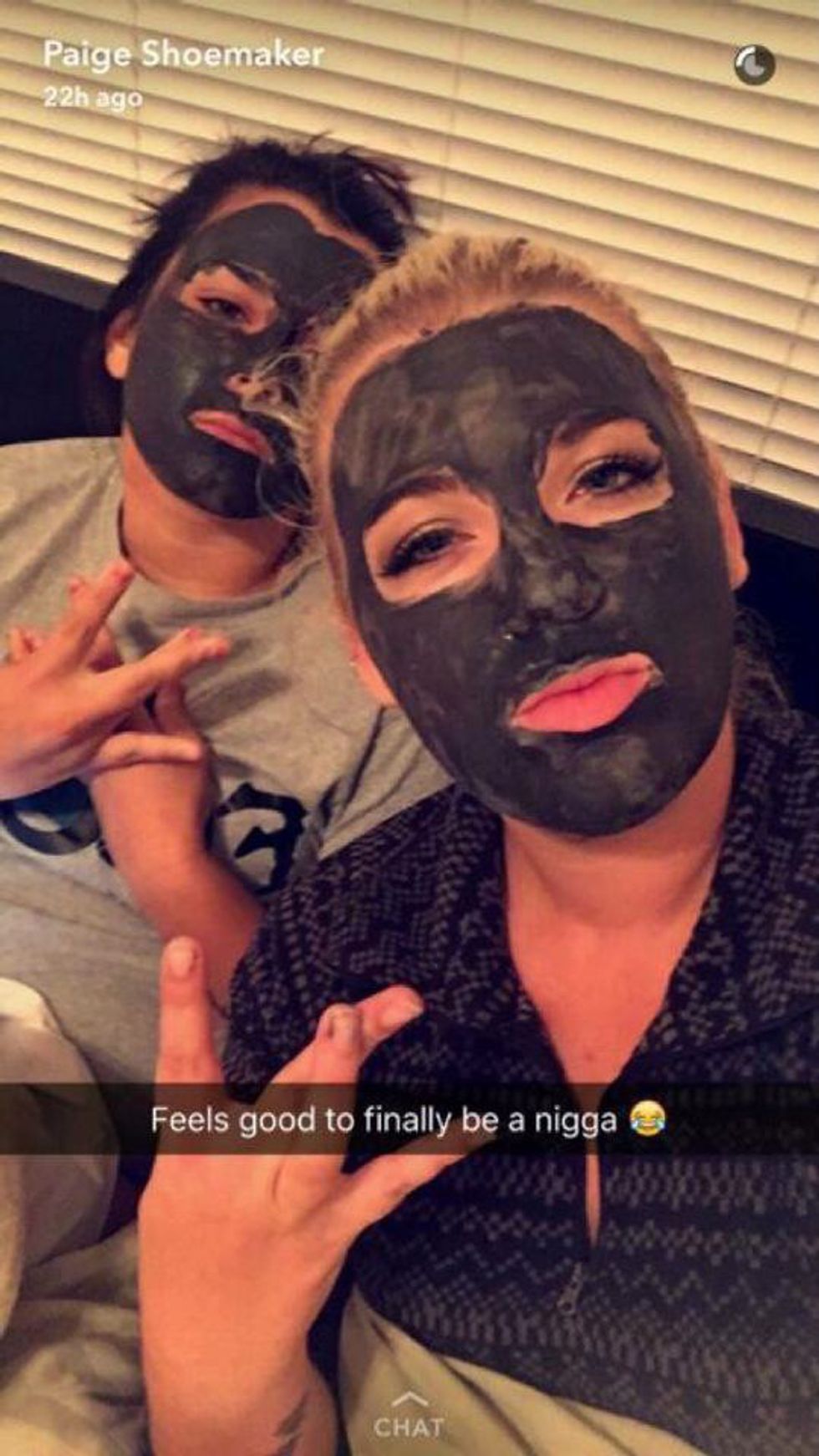
The two girls stated their face was not painted “intentionally," but the derogatory comment underneath the photo suggests otherwise. There was an obvious intent to posting the photo.
A racial one.
Sadly, this isn’t the first incident exploited on social media. In 2015, a caucasian student attending a Historically Black College and University stuck black tape across her face with a caption stating, “When you just tryna fit in at your HBCU”.
So why is black face offensive?
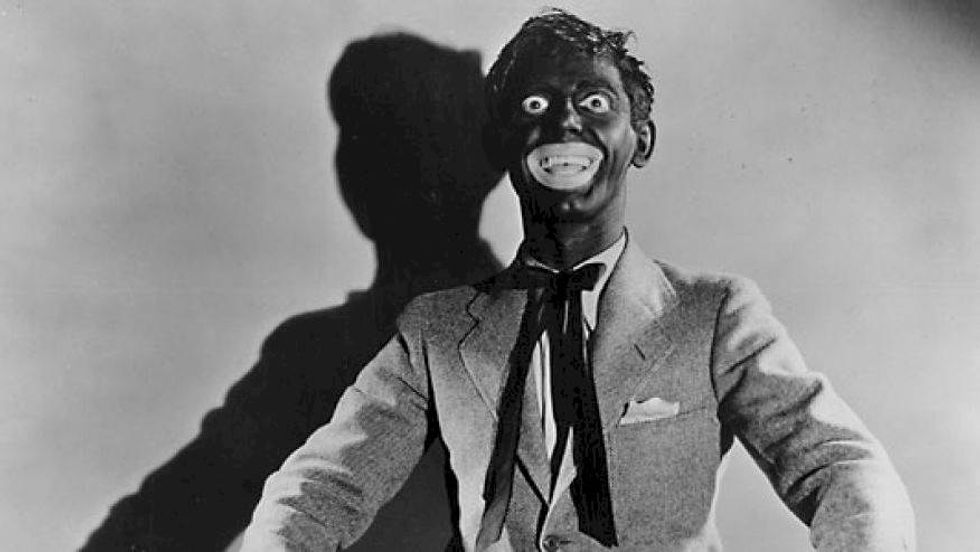
Black face originated in the white man’s characterizations of plantation slaves and free blacks in the North during the 1830s to 1890s. It played a vital role in history by distributing racial images, ideas, and perceptions globally. The caricatures had such an affect on the American audience, that any individual with dark skin was categorized into the different stereotypes acted out by performers. Performers often used burnt cork or grease paint to spread on their face, symbolizing their idea of a black person. It was meant as a joke, but no one’s laughing and certainly not now.
The recent situations of students depicting blackface makes it apparent that it’s still considered as a joke, and that the African American community is stuck in these stereotypical ideas. In the Snapchat picture above, Paige and her friend hold up gangs signs, as if being black means you're most definitely in a gang or dangerous. Where do these ideas come from and when do we start associating certain characteristics with race?
Well, once we see certain images of a certain group over and over again, that soon becomes our “schema”. To view an entire group or community as a certain idea based on things we’ve seen.
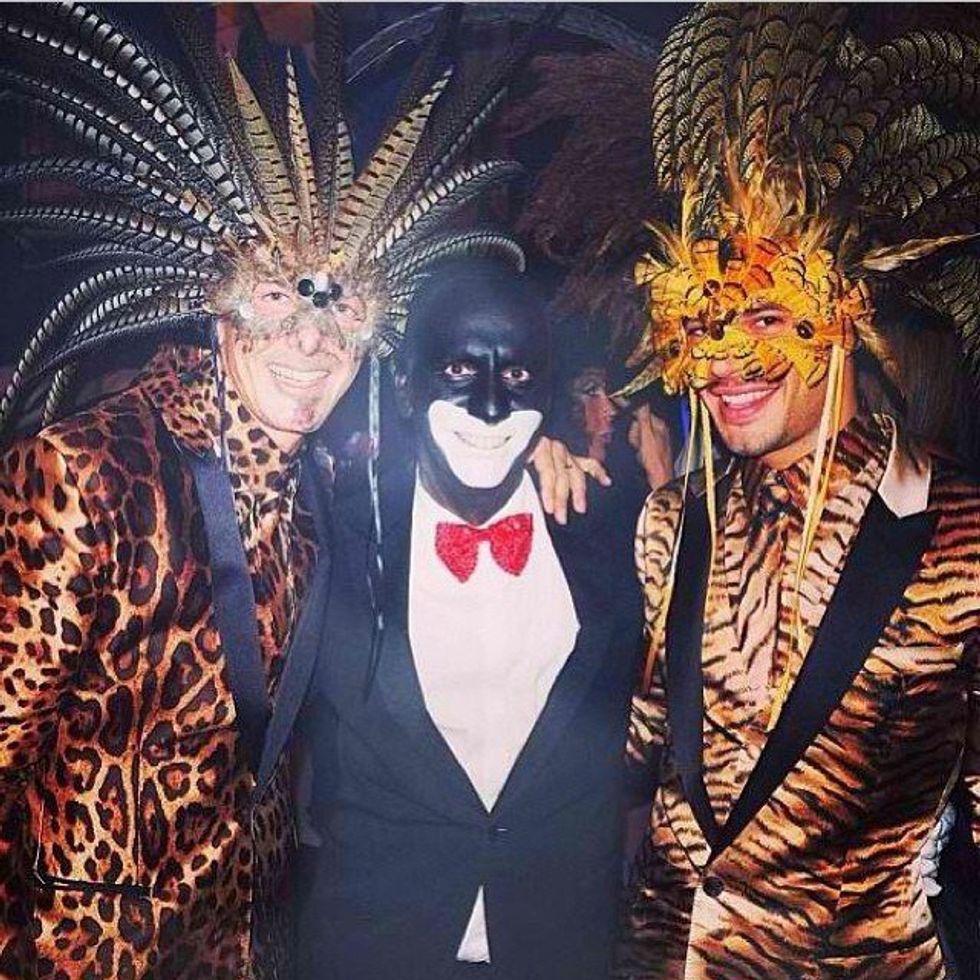
Blackface is more than a visual appearance, it is deeply rooted in racial and degrading notions regarding African Americans. With this historic information present, it’s surprising that people still find it acceptable to participate in this behavior.
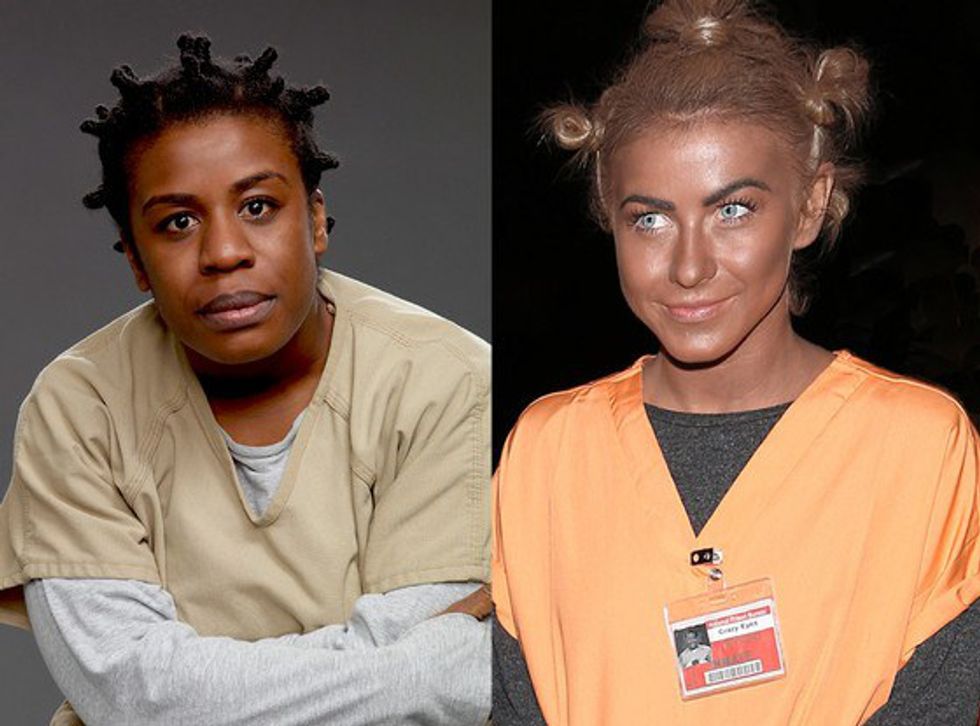
Even celebrities like Julianne Hough wore black face to a halloween event, dressed as her favorite Orange Is the New Black character, Crazy Eyes., Hughes arrived to the party in her dark bronze skin. I believe most can agree that stars have a major influence on their fans and the public on what is acceptable, cool, or “in”. With a big figure such as Hough publicizing black face, I’m sure there were others who viewed the photo and felt that must make it okay. Well, it’s not. She later apologized, saying,“It certainly was never my intention to be disrespectful or demeaning to anyone in any way. I realize my costume hurt and offended people and I truly apologize.”
Playful or not, the “intention” of blackface is never good. Anyone who dares to post photos in blackface must prepare themselves for ridicule from the internet. Social media helps bring to light that racial ignorance and discrimination still exists today. It would be false for America to claim that racial stereotypes are abolished.
However, I cannot completely blame people for their racial ignorance. We would think that something so historically offensive would be more known, but unfortunately some are unaware of the intensity behind the meaning of black face. Some may view dressing in black face as “an honor” to the black community, but they are highly mistaken. It does nothing more but make African Americans appear as a joke or a character, not normal human beings.