
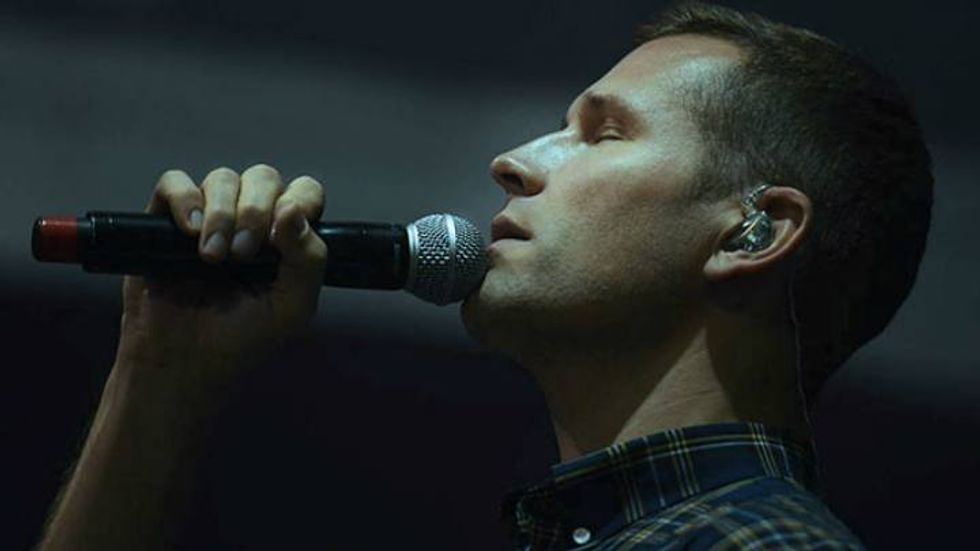
The mainstream explosion of electronic dance music (EDM) earlier this decade has led to a number of frequently used, recognizable vocalists in the genre. Singers such as Matthew Koma, Jonathan Mendelsohn, Julia Michaels, and Melanie Fontana are also prolific songwriters who have their own significant following in the electronic community. However, not all EDM vocalists get to bask in the glory of performing live or even being recognized for their work. In fact, many of them suffer through the politics of the music industry and have to fight to receive credit, if they ever do. In recent years, some of my favorite EDM groups and producers, such as Tritonal, Project 46, Spor, and Zedd, have left their vocalists uncredited several times throughout their careers. While some vocalists can be found through meticulous online research, some vocalists' identities never become public.
This idea of dance vocalists not receiving credit for their work has actually been low-key rampant since the 1990s. For instance, Martha Wash, the vocalist for "Gonna Make You Sweat (Everybody Dance Now)" by C+C Music Factory, had to sue to be credited on the track and other songs which she had recorded. Similarly, vocalists Sue Brice and Kirsty Hawkshaw have expressed their frustration with the German dance group Fragma. Fragma used Brice's vocals for "Toca's Miracle," a 2000 bootlegged mashup of Brice's 1996 song "I Need A Miracle" with Fragma's "Toca Me." The bootlegged track was a massive hit throughout Europe, but Brice never received any profit from the mashup. Similarly, Hawkshaw never received any profit from the song she recorded with Fragma, "Radio Waves," also adding that the German group never negotiated a contract with her. Elsewhere, Long Island vocalist Anna Yvette has vented about how one of her producers, MitiS, has never paid her for any of her recordings for him. These instances are just some in sadly too many cases where vocalists are neglected and exploited.
In an effort to prevent such issues in the future, vocalist Antonia Lucas has created a Facebook page called Vocalists Songwriters Alliance, which now has 600 members. Many of these musicians have described similar nightmarish stories experienced by the aforementioned vocalists. By creating discussion and spreading awareness, reforms in royalties and contracts can happen much quicker in the music industry.
As a vocalist myself who is also a composer and producer, I love hearing EDM vocalists because lyrics build a deeper connection for a song's listeners. Just as producers create the melodies and basslines necessary for great tracks, the electronic community needs to recognize that vocalists' work has value to it. That being said, artists should never work for free, since mere exposure does not pay. Negotiate written contracts that include payment clauses, and if one party falls through, the victimized party has the option of suing. Even when one's living depends on music, they should not lose their passion for the craft. It's important to love music more than hating industry politics.
















