How is it possible for one person to bring so much destruction, suffering and death to millions of innocent people? Power can be wielded for good or for bad and when the wrong person assumes power, the consequences can be devastating. The following are individuals who left behind a world far worse than the one they were born into, and should serve as examples of how, as John Acton once said, power “tends to corrupt, and absolute power corrupts absolutely.”
1. Joseph Stalin.
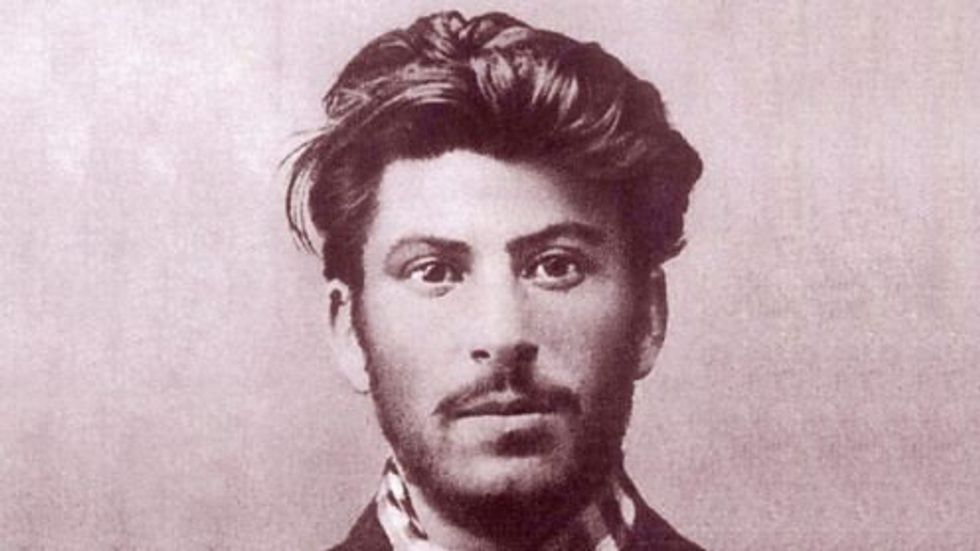
It is estimated that Stalin, successor of Vladimir Lenin, and leader of the Soviet Union during World War II, killed over 20 million of his own people during the course of his 31-year reign (some reports put those figures over twice as high). Born into extreme poverty in Georgia, and severely abused by his father during his youth, Stalin made it his mission to always be the toughest person, whether that be in school, in a prison camp in Siberia (from which he escaped on three separate occasions), or in politics. He killed anyone who disagreed with him, like most tyrants, but that alone wasn’t enough; later in his rule he became increasingly paranoid and had even his closest friends and family sent to prison or killed, suspicious of all and everything in the world.
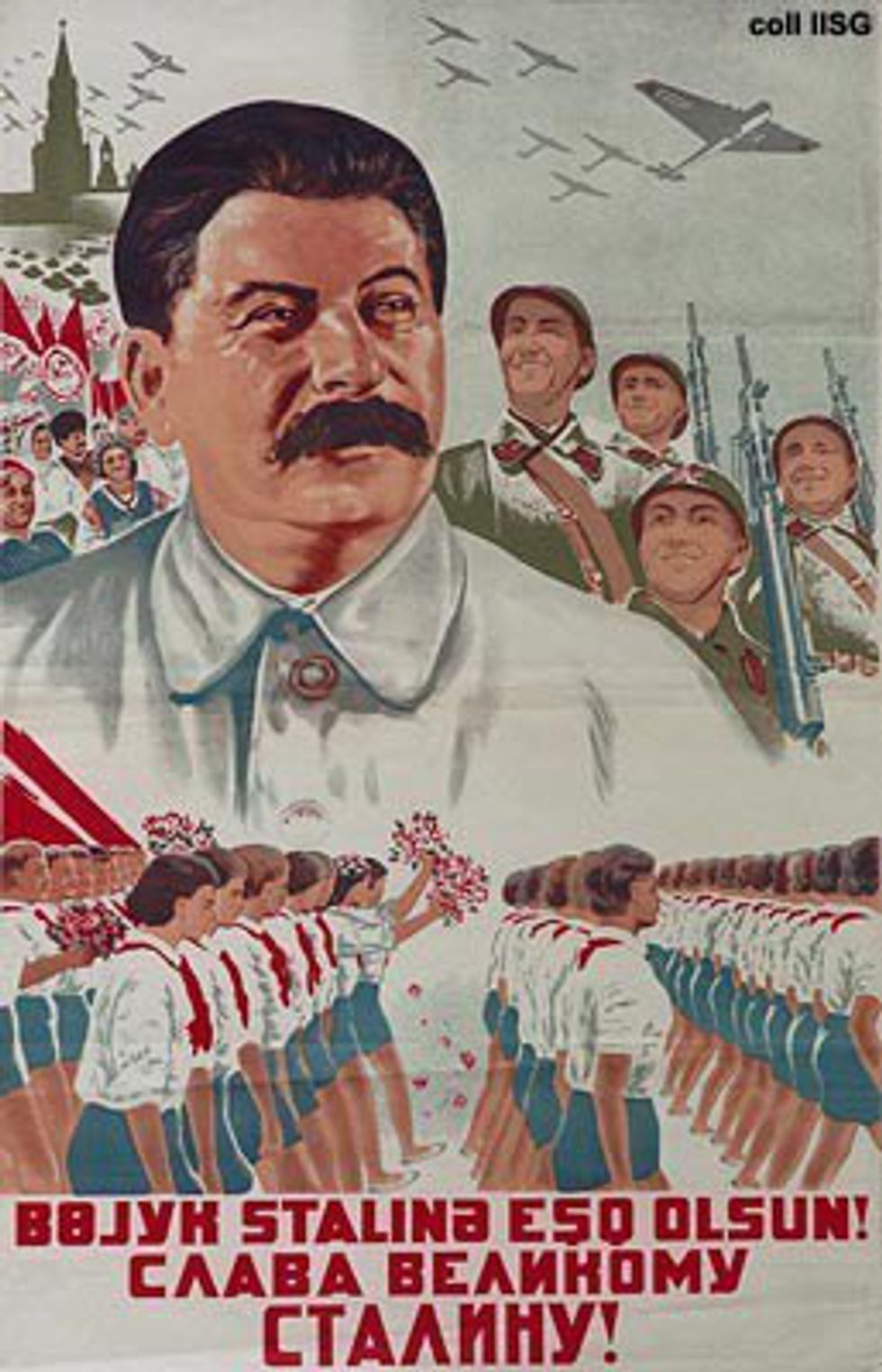
One of the few people close to him whom he spared was his mother, who had hoped her son would have become a priest (and, in fact, Stalin had gone to seminary school for a time, but quit to become a revolutionary). On her deathbed, saddened by the path her son had chosen, she told him, “You’d have done better to have become a priest.”
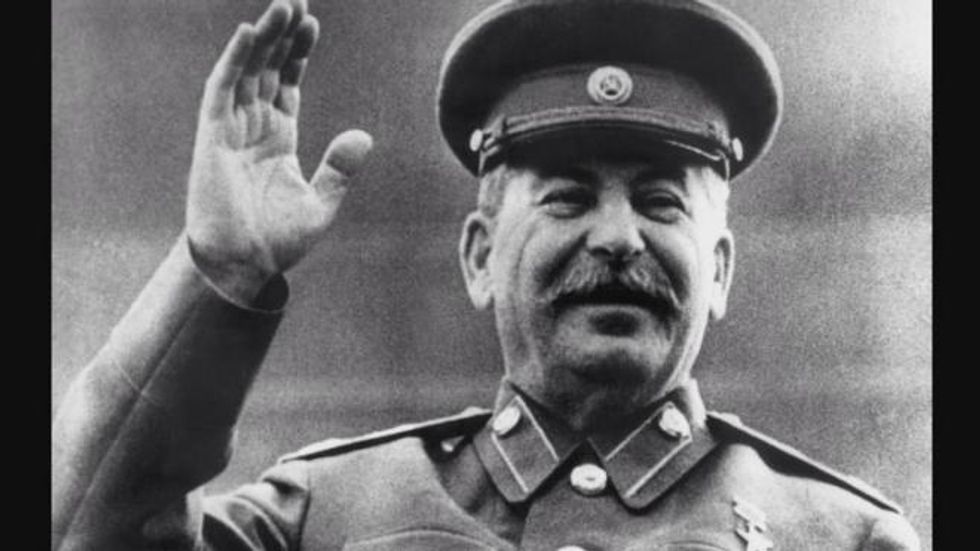
Stalin’s brutality ultimately came back to haunt him in his final hours; after suffering a stroke, he lay helplessly on the floor of his bedroom for hours while his guards did nothing. It was strictly forbidden to enter Stalin’s bedroom without his permission, and Stalin had executed guards before when they had burst into his room after hearing him scream for help, only to find that he was not in any danger and was testing their ability to follow his commands. As a result, the dying Stalin wasn’t discovered until almost an entire day later, when he was far beyond saving. He died shortly afterwards, putting an end to one of the most infamously tyrannical reigns in all of history.
2. Kim Il-Sung.
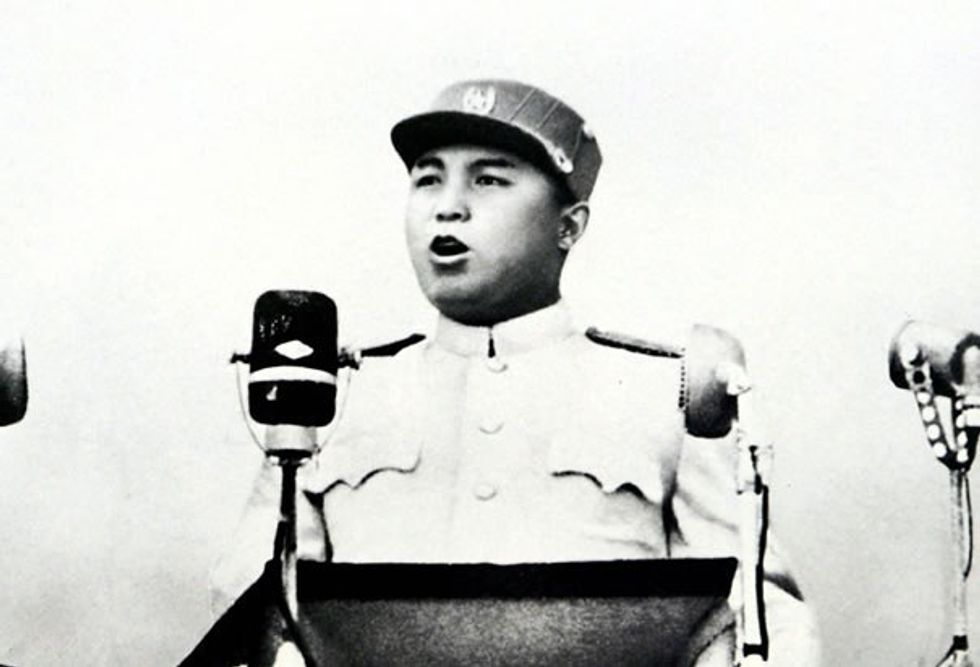
The late founder of North Korea, Kim Il-Sung, was born on April 15, 1912, the day the infamous “Titanic” disaster occurred. A guerrilla fighter in Northern China who fought against the Japanese in the 1930s, Kim Il-Sung was handpicked by the Soviet Union to become the leader of the Communist Party of North Korea. Soon thereafter, he invaded South Korea to attempt to unify the two countries. What transpired next was the Korean War and, ultimately, Kim’s wish to rule the whole of Korea was not granted. Though the fighting ended with an armistice, no peace treaty was ever signed, meaning that North and South Korea are still today considered to be at war.
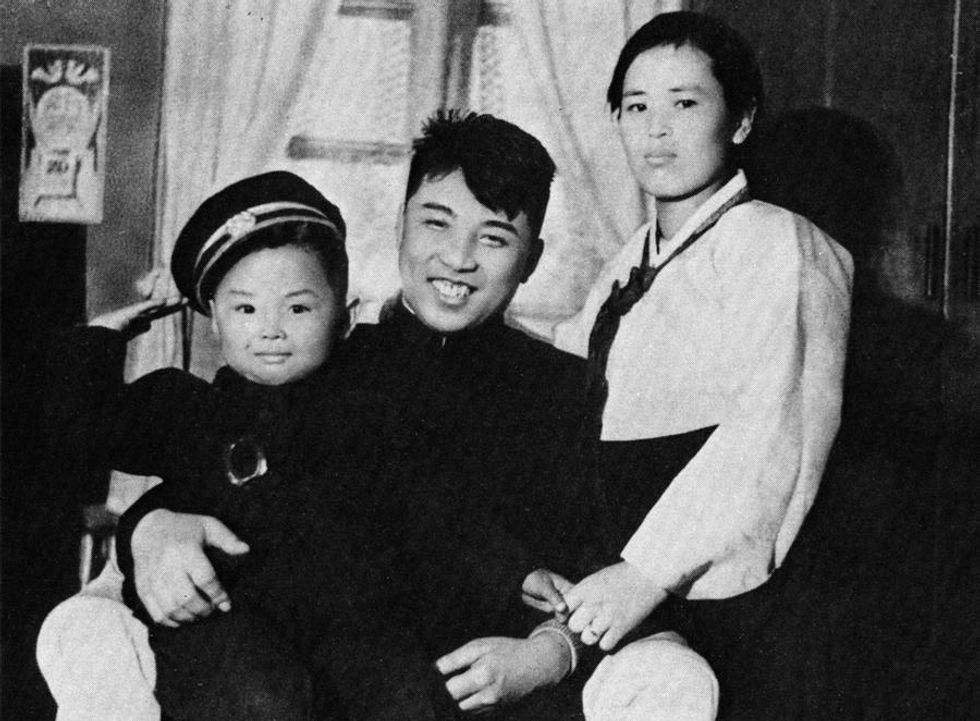 Kim Jong-Il, Kim Il-Sung's successor, is seen in this picture saluting on the left.
Though North Korea is one of the most impoverished nations in the world, today, and South Korea one of the richest, at the end of the Korean War the roles were reversed. Kim used his country’s superior economic status to build a cult of personality around himself; since North Korea was prospering, it took little effort on his part to lead North Koreans to believe that he was a great leader who could take care of them.
By the time Kim had closed the country’s borders to the outside world, and forced any political dissidents into gulags hidden throughout the country, it was too late. Kim had consolidated his power and, backed by the Soviet Union, built a powerful regime that controlled everything about every citizen’s life, from where they live to where they are allowed to work and travel. Speaking out against the regime in any form was strictly forbidden; simply forgetting to clean the portrait of the leader in one’s house could lead to imprisonment and ruin for the entire family.
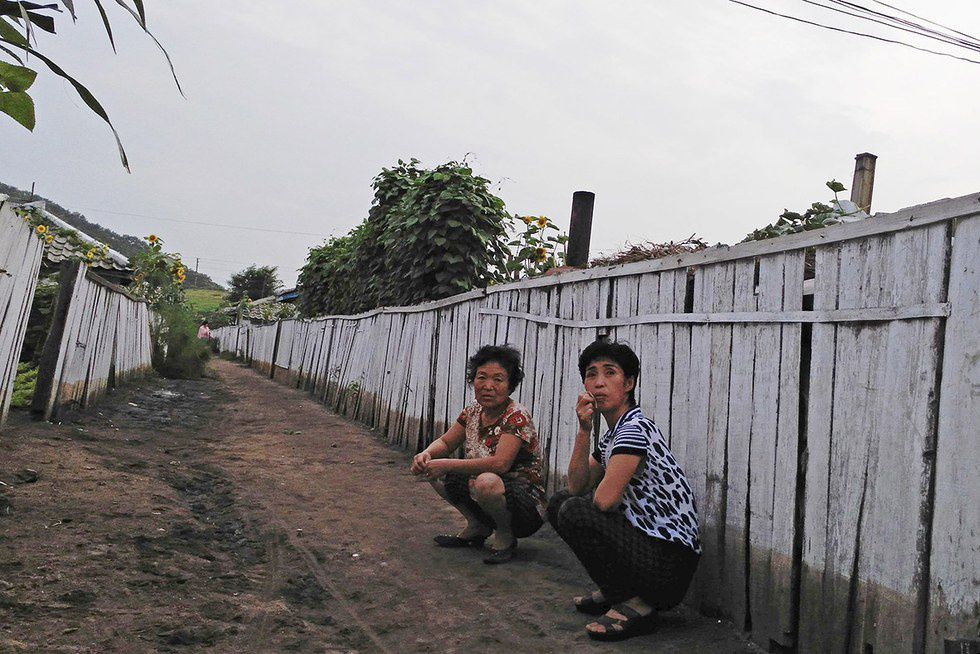
Today, there are 25 million people living in North Korea. An estimated one million died of starvation during a famine that hit the country during the 1990s, and millions more continue to be malnourished. Most grow up, however, believing that they are living in paradise built by the eternal leader Kim Il-Sung, and are taught from birth that it is the South Koreans and Americans who live in filth and poverty. Even those who are forced to escape out of sheer desperation are stunned when they learn that Kim Il-Sung was not a God who could control the weather and read people’s minds.
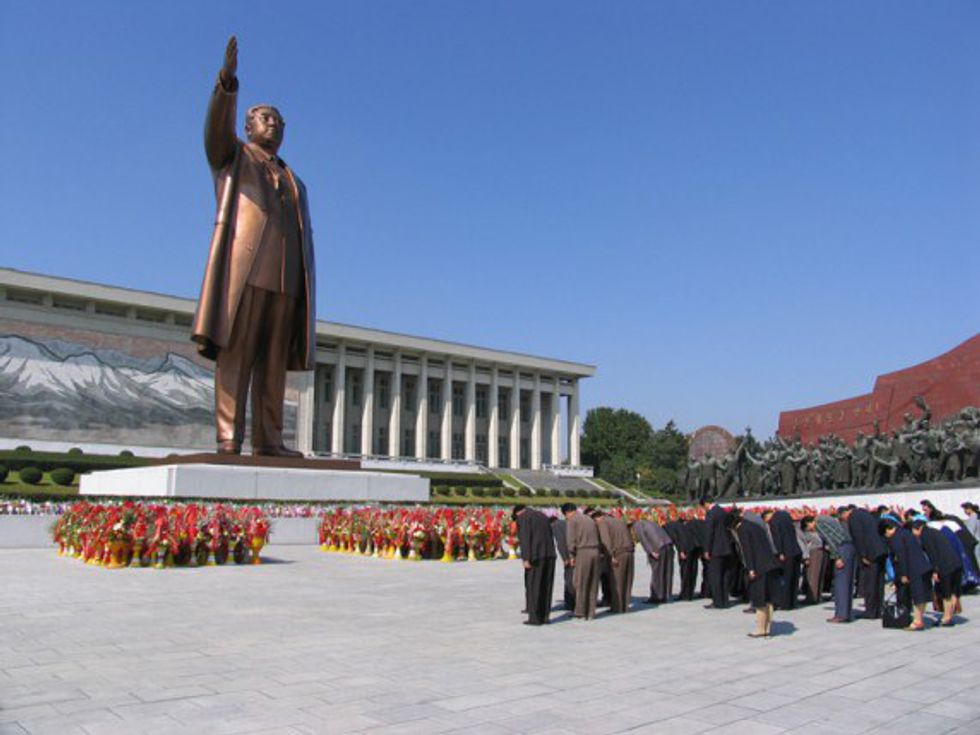
Because of one man’s abuse of power, millions live in constant fear and hunger. Kim Il-Sung’s influence on his people has not abated since his death in 1994, and will likely continue to persist indefinitely; so long as the regime remains in power, 25 million people will continue to clean Kim Il-Sung’s portrait every day.
3. Mao Zedong.
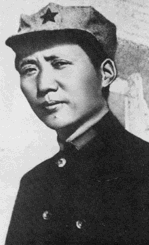
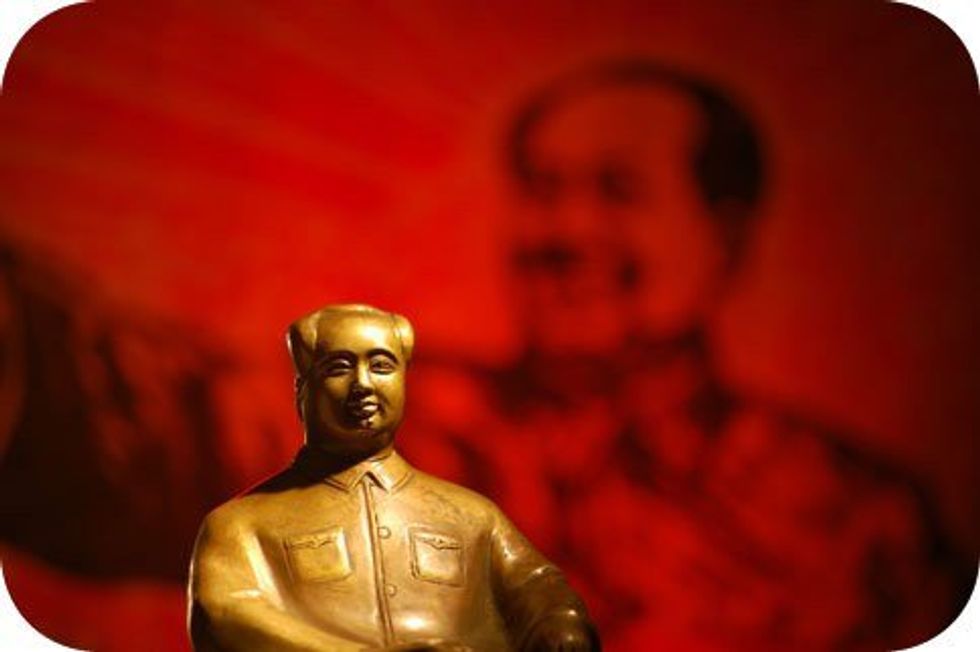
Personally responsible for the greatest famine in world history, Mao Zedong starved over 45 million Chinese during the so-called Great Leap Forward in China during the 1960s. Unfortunately, that was only a fraction of the amount of people he killed during his 25 years as leader of China; it has been estimated that Mao killed up to 70 million of his own people through the Long March, countless mass executions and the infamous Cultural Revolution.
Born into a peasant family, Mao was well educated and became interested in Communist works by Karl Marx during his college years. After the Communist Party of China was established in 1921, Mao made it his mission to make the Party the authority in China. After decades of working his way up through the Party ranks (mostly by discreetly killing or displacing other members) he found himself in a position to take over China. The “Long March” is an infamous example of Mao’s indifference towards the suffering of his own people; leading an army of thousands against the then-Chinese ruler Chiang Kai-shek, Mao purposefully gave another Communist general (who was Mao’s superior) false instructions to wipe out the general’s forces and assume greater power in the Party.
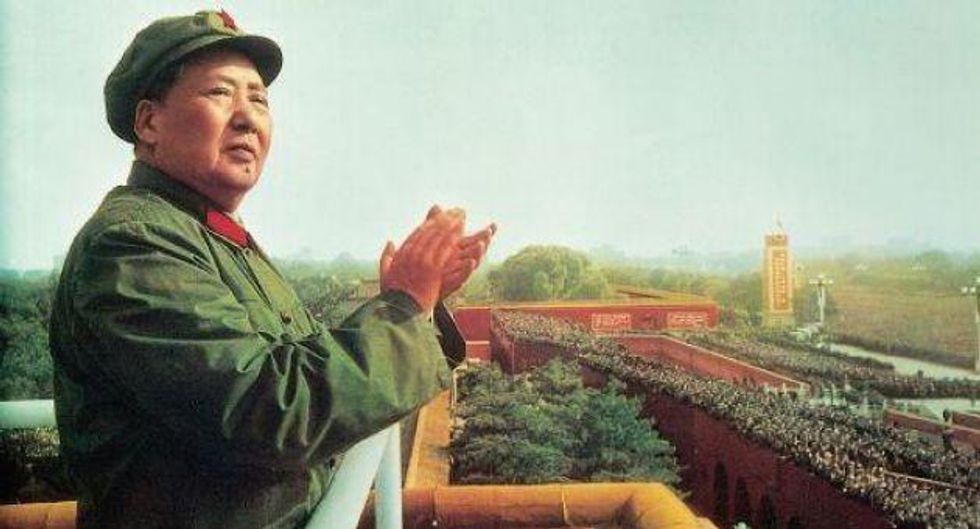
By 1949, Mao had gained complete control of China, and thus began one of the greatest periods of suffering humanity has ever witnessed. With an unfathomable degree of callousness, Mao openly spoke to his advisors about how millions of Chinese had to die in order to make the country an industrial power. He ordered wasteful infrastructure projects which decimated crops and led to the Great Chinese Famine mentioned earlier. Amazingly, however, millions of tons of rice were being exported out of the country during this time; starving peasants were forced to produce the rice for others outside of China without any hope of eating it.
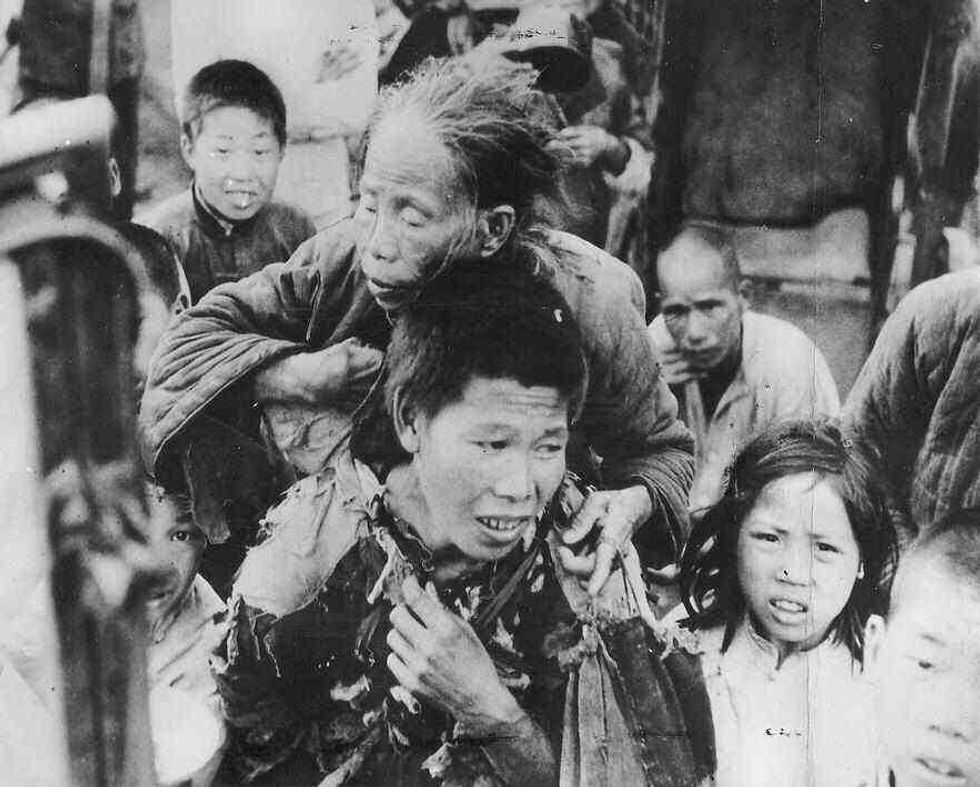
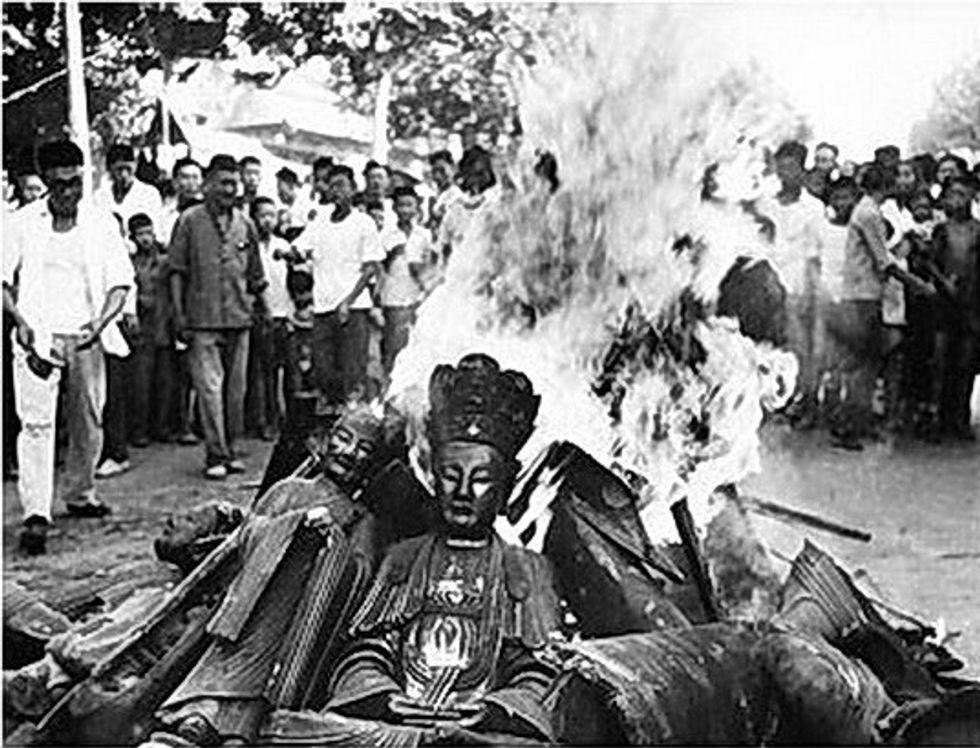
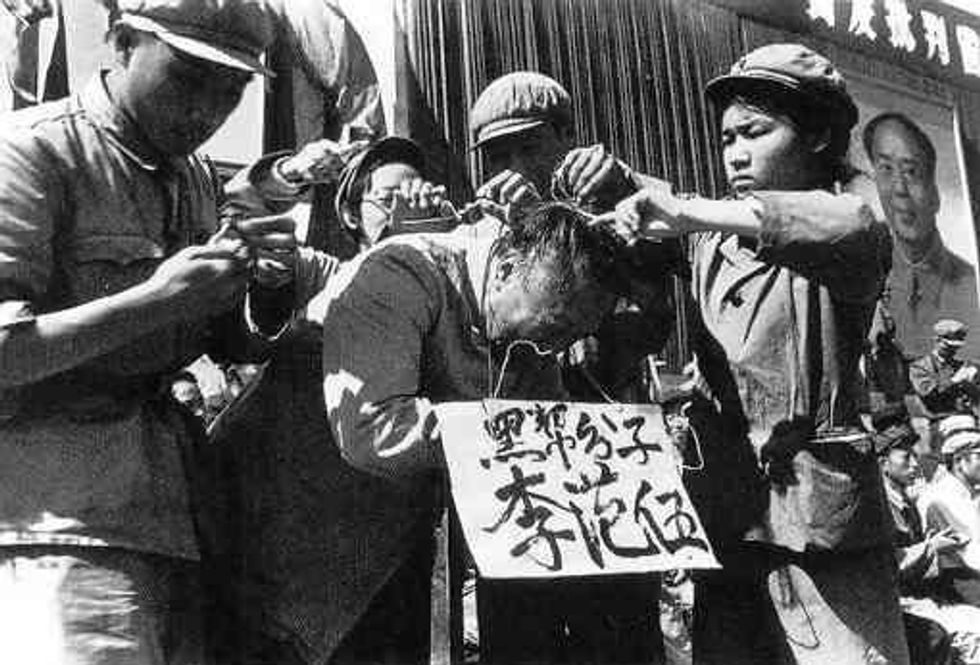
Millions more Chinese perished during the Cultural Revolution, where anything pertaining to Chinese history that deviated from Mao’s vision of China (meaning everything before the time Mao assumed power) was to be destroyed. Thousands of years of Chinese history was destroyed as Mao’s forces toppled temples, burned books and forced the Chinese population to “re-educate” themselves. This reeducation was implemented by forcing everyone to suspect everyone else of having committed acts against the regime; this way, each person became paranoid of being suspected as a traitor (which always meant imprisonment, often coupled with torture). By utilizing fear as a motivator, Mao forced his people to support him and his plans, no matter how damaging or wasteful they were; absolutely no one was exempt from this brutal psychological warfare, not even his closest advisors or supporters in the Communist Party (nearly all of whom he ended up killing at some point).
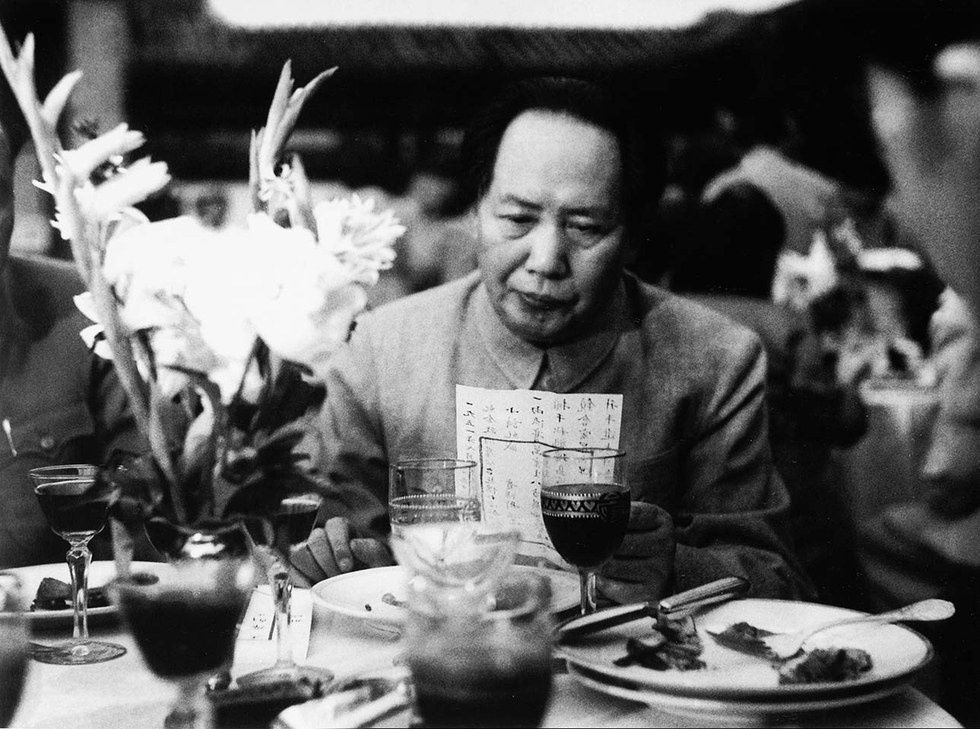
It should also be mentioned that Mao enjoyed a luxurious lifestyle akin to that of royalty throughout his entire reign. He had massive palaces and fortresses across the country built, most of which he never set foot in, and meals with rare delicacies were cooked for him every day. There was one drawback, however; Mao was obsessively paranoid. He trusted no one and lived as if he were always on the brink of war, ready to flee to another part of the country at any moment. This paranoia was likely the reason why he died in his own bed of natural causes in 1976; as much as his enemies hated him, they could not so much as blink, much less plan a coup, without Mao noticing.
It is scary to imagine that Mao could have ruled the world at some point, and yet that is exactly what he ultimately planned to do. China was merely a stepping stone for him in attempting to achieve world domination, and he went so far as to say at one point during his rule, “In the future we will set up the Earth Control Committee, and make a uniform plan for the Earth.”
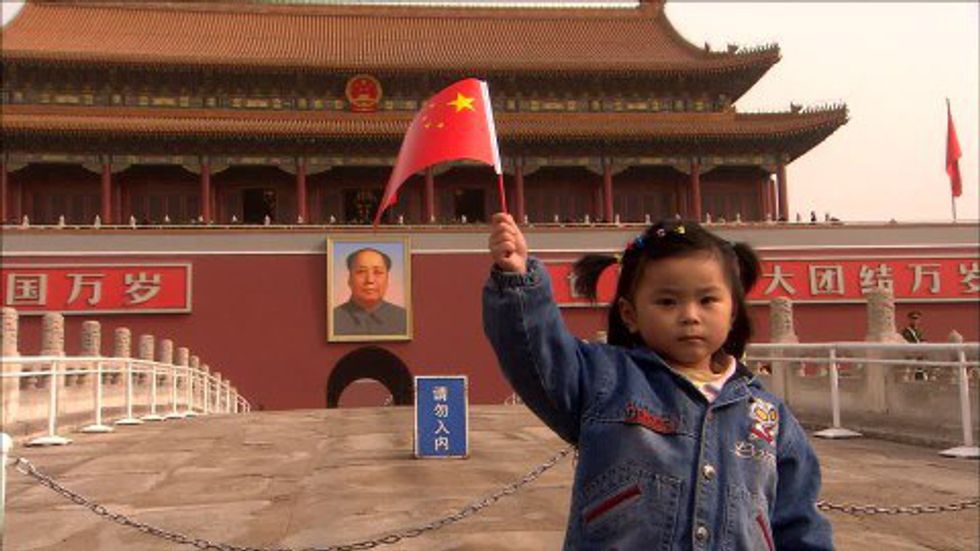
Today, however, Mao Zedong’s portrait still hangs in Tiananmen Square in the heart of Beijing, China, and the Chinese government continues to deny most of the damning information stemming from his rule. It is an unfortunate result of one of the most tyrannical rules in all of history; even after 70 million deaths and thousands of years of lost culture, the legacy of Mao Zedong is alive and well in the most populated country in the world.